
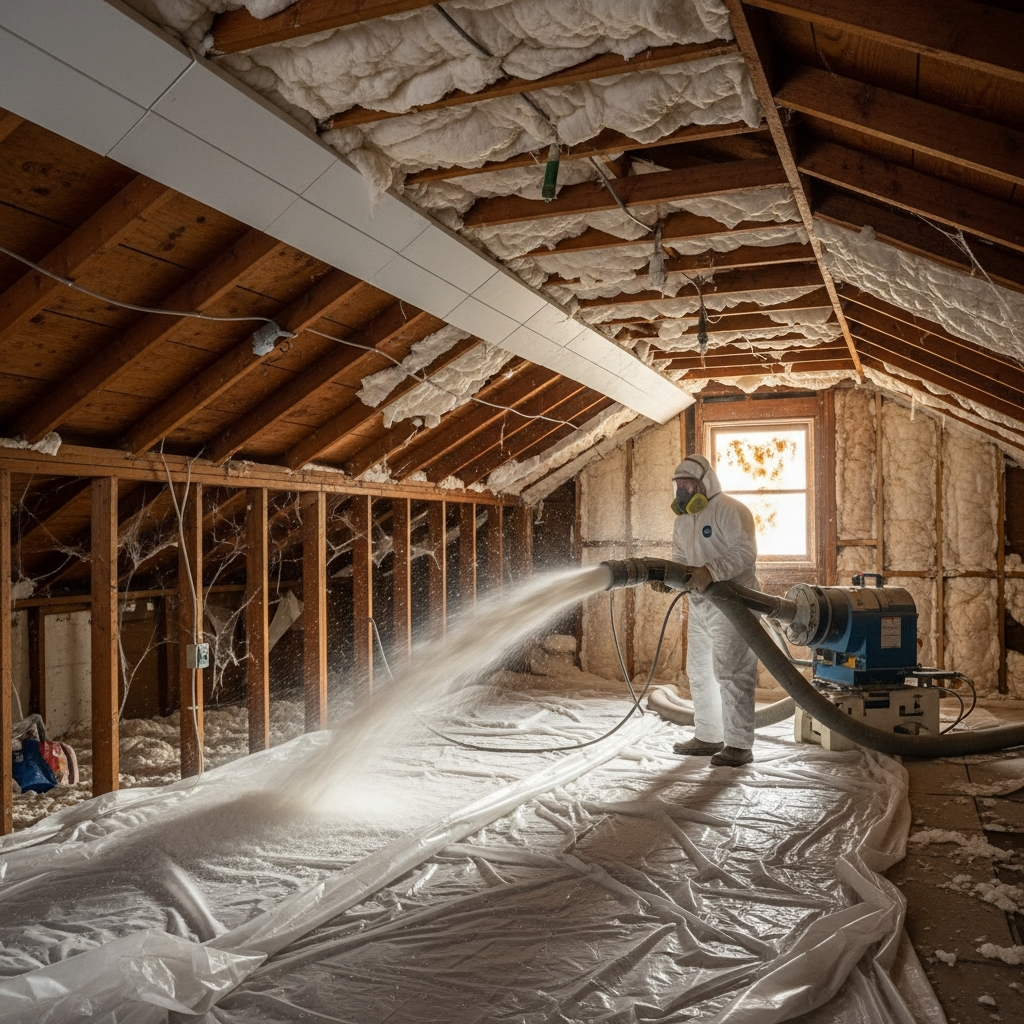
Searching for attic insulation installation near me in Los Angeles can feel overwhelming at first glance. The city’s neighborhoods are diverse, the housing stock ranges from historic bungalows to sleek new builds, and every roofline tells a story about heat, airflow, and construction details. The good news is that the fundamentals of a comfortable, efficient attic are consistent: thoughtful air sealing, continuous insulation coverage, and ventilation strategies that respect how your home was built. Partnering with a nearby specialist in insulation installation helps translate those fundamentals into a plan that fits your block, your schedule, and your household’s needs.
A well-insulated attic is one of the highest-impact improvements for Los Angeles homes. Our sunny days drive attic temperatures up quickly, and without the right defenses, that heat radiates into living spaces long after sunset. Insulation manages heat flow, while air sealing blocks the sneaky pathways that allow hot attic air to infiltrate your home. Together, they reduce strain on your HVAC, quiet background noise, and create a more even temperature room to room.
What “near me” really means in a city like Los Angeles
In a sprawling city, proximity is not only about miles. It is about knowing the local roofs, the age of the wiring common to certain tracts, the wind patterns that channel through specific canyons, and even the parking realities that affect how crews stage equipment. A team that regularly works in your area understands which attics are notoriously tight, which homes hide mechanical chases behind knee walls, and how to approach older plaster ceilings with care. That familiarity streamlines the job and helps avoid surprises once work begins.
Equally, a local crew anticipates the permit requirements in your jurisdiction and knows how to coordinate with other trades if your project overlaps with roofing, solar prep, or electrical updates. This fluency reduces downtime and keeps the project moving smoothly from the first walkthrough to final cleanup.
Attic fundamentals that never change
Regardless of ZIP code, a performing attic rests on a few pillars. First, air sealing matters. Warm air seeks to escape through every gap at the top of the house—around plumbing stacks, electrical penetrations, and the framing above interior walls. Sealing these routes before adding insulation prevents energy losses and stops dust and pollutants from riding that airflow into living spaces. Second, insulation needs to be continuous and consistent in depth, without gaps or compression. Third, ventilation must be preserved so your roof deck stays healthy and moisture has a path to exit, especially in areas where cool ocean air meets warm attic air.
These fundamentals sound simple but require patience and methodical work. That is where experienced installers distinguish themselves: by sweating the details that are easy to miss in dark, tight attic corners.
Matching materials to your attic’s personality
Not all insulation is the same, and not all attics welcome the same approach. Blown-in fiberglass or cellulose often excels in open attics where coverage around irregular framing is vital. Batts can work well in accessible bays when carefully sized and installed. Strategic use of spray foam can help seal challenging transitions, though it requires special handling and is typically considered on a case-by-case basis. Mineral wool shines where sound or fire resistance is a priority, like over attached garages or near shared walls in multi-family settings.
The right choice balances thermal performance, air control, and the realities of your attic’s access and obstructions. An on-site evaluation brings those tradeoffs into focus, ensuring your project is designed rather than improvised.
Los Angeles microclimates in the attic
From marine-influenced mornings on the Westside to the sundrenched heat of the Valley, our microclimates influence attic strategies. Inland, we often emphasize aggressive heat gain control and tight air sealing because air conditioning cycles are long. Closer to the coast, ventilation and moisture management play a bigger role due to daily temperature swings and foggy mornings. Hillside properties see winds that can push hot air into every gap; sealing and secure baffles become even more critical to performance.
This local nuance is where “near me” pays dividends. The materials may be similar citywide, but the details of how they come together can change from block to block.
Preparing for installation day
A smooth install begins with preparation. Clear the access path to the attic hatch. If the hatch is in a closet, move delicate items and cover what remains. Communicate where pets will be during the day and identify any special household routines. A good crew protects floors, sets up containment where dust might travel, and stages materials to avoid unnecessary trips through living spaces. They will also confirm how lighting fixtures, chimneys, and bathroom fan ducts will be handled so you know what to expect.
Your installer should explain the sequence: air sealing first, then baffles where needed, followed by insulation placement and final verification. That transparency builds confidence and allows you to follow along without surprises.
Air sealing: the secret to stable comfort
Attic insulation does its best work when outside air cannot bypass it. Air sealing blocks the escape routes around electrical boxes, top plates, and ceiling penetrations. It also addresses larger chases—open shafts created by improperly sealed soffits or dropped ceilings—that act like chimneys drawing conditioned air out of your home. Attic hatches are weatherstripped and insulated, and recessed lights receive safe covers when appropriate. These steps seem small individually, but together they transform the way your home holds temperature throughout the day.
Because air sealing takes care and time, it distinguishes thorough installations from superficial ones. Ask your installer to show you photos of the sealed areas; a reputable team is proud to share the details.
Ventilation and eave baffles
Balancing insulation with attic ventilation is critical in Los Angeles. Eave baffles preserve airflow from soffit vents while allowing full-depth coverage right to the roof edge. Without them, insulation can slump or block vents, leading to hot spots and potential moisture concerns. Properly installed baffles enable the attic to breathe while maximizing thermal protection—an elegant marriage of two goals that sometimes seem at odds.
Ventilation is not a cure-all; it works in concert with air sealing and insulation. Maintaining this trio is what ensures a durable, high-performing attic over the long term.
Working around real-life obstacles
Many attics are littered with obstacles: truss webs, knee walls, abandoned wiring, low clearances at the eaves, and, all too often, remnants of old insulation crushed under makeshift walkways. A skilled crew turns these obstacles into manageable details. They establish safe, supported paths for future service visits, cap and seal abandoned openings, and rebuild areas where prior work created weak points. The result is an uninterrupted blanket that performs as designed rather than a patchwork of hot and cold zones.
Homeowners appreciate the small touches as much as the technical ones: clearly labeled access points, clean hatches, and a final walkthrough that explains what changed and why it matters to everyday life in the home.
Mid-project insights that shape outcomes
Experienced teams learn a lot during the first hour in your attic. They may find previously hidden duct leaks, discover that bathroom fans vent into the attic rather than outside, or spot light fixtures requiring special covers. Bringing these findings to you immediately—and incorporating solutions into the plan—is part of a professional approach. It ensures the finished product reflects the real attic rather than the idealized one on paper.
As you evaluate your options for insulation installation, ask prospective installers how they handle discoveries in the field. Their answer will tell you much about their process and dedication to doing the work right.
Aftercare and performance checks
Once the attic is upgraded, take note of how your home feels over the next hot spell. Temperature swings should narrow, and your HVAC should cycle more calmly. Stand in rooms that previously lagged behind and observe whether they now come into line with the rest of the house. If you opted for diagnostic testing before and after, review the results with your installer to connect the data to what you feel day to day.
Attics are not set-and-forget forever, but they are close. A quick visual check after future roof work, and periodic confirmation that bathroom fans are still venting outdoors, keeps performance on track.
FAQs
How long does attic insulation typically take? Many projects complete in a single day, depending on access and the need for remediation. Larger or more complex attics, or those requiring wall work too, may take longer.
Do I need to be home? Not necessarily, though many homeowners prefer to be present for the initial walkthrough and final review. Professional crews work neatly and keep you informed either way.
Will new insulation make my home quieter? Yes. Blown-in materials and mineral wool both help reduce outside noise and footfall sounds from the roof during rain or wind.
What about my recessed lights? Many can be safely insulated over with the right covers; some require clearances. Your installer will identify which is which and document the plan.
Is attic ventilation always required? Ventilation strategies depend on roof design and code. Most vented attics benefit from preserved airflow at the eaves and ridge. Unvented assemblies follow different rules that must be designed carefully.
Can insulation help rooms at the far end of my home? Absolutely. Attics are often the missing link in even temperatures across the plan. Sealing and insulating the attic evens out comfort from one end of the home to the other.
What if I plan to reroof soon? Coordinate timelines. Some attic details align with roof work, such as adding vents or addressing skylight wells. Your installer can stage the work to avoid redoing finished areas later.
Ready to make your home more comfortable through every Los Angeles season? Reach out to a trusted local team for insulation installation that respects your schedule, your neighborhood, and the unique character of your attic. A thoughtful plan today delivers quieter, steadier comfort for years to come.