
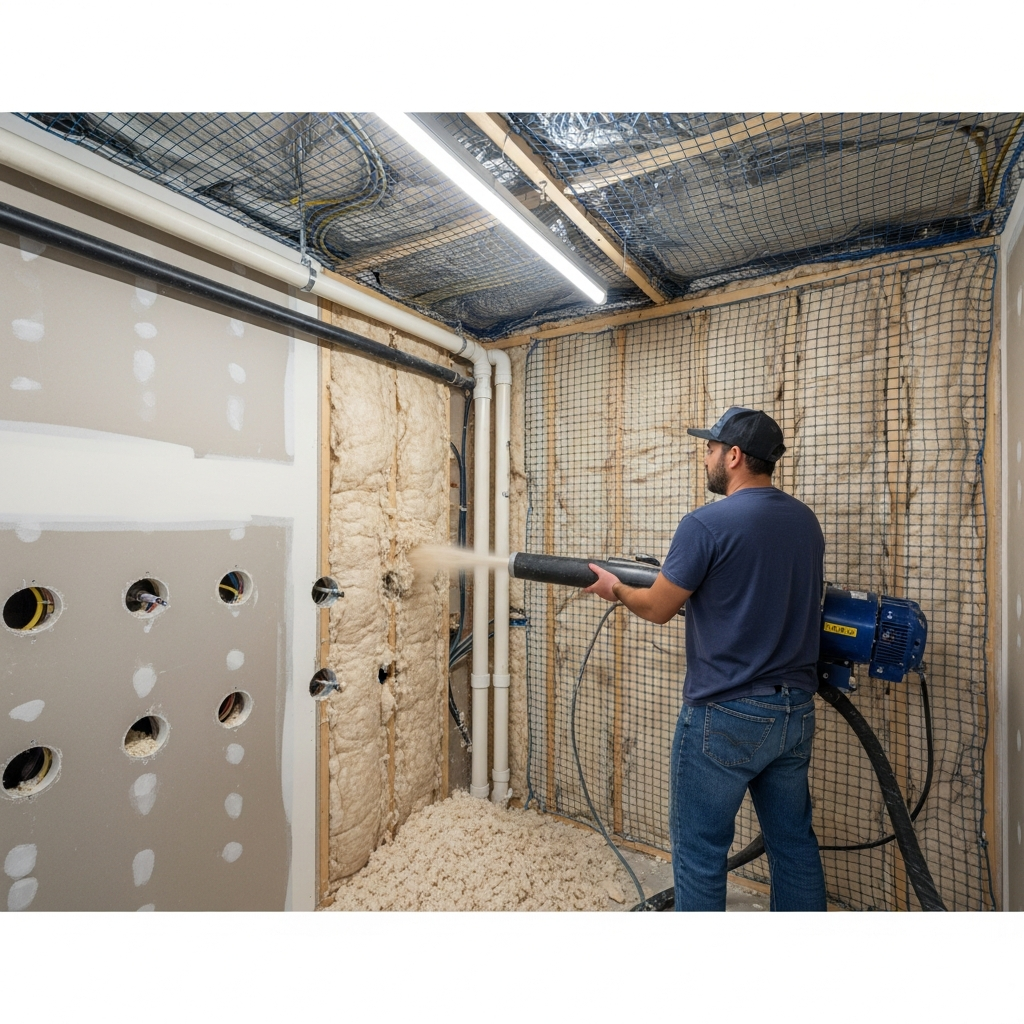
Make Your ADU Comfortable Year-Round With Blown-In Insulation
Accessory Dwelling Units have become a signature of Los Angeles living, tucked behind bungalows, stacked over garages, and fitted into thoughtful backyard designs. They serve as home offices, rental suites, or extensions of family life, but because many ADUs are compact and built with speed in mind, insulation details sometimes get shortchanged. The result is a small space that heats up quickly in the afternoon and loses cool air too fast in the evening. Blown-in insulation is a powerful remedy. It conforms to irregular cavities, reaches tight corners, and creates a continuous, quieting blanket around the unit. When installed by an experienced local team, it can make a 400-square-foot studio feel as steady and composed as a much larger home. If you are beginning to plan your project, or retrofitting an existing ADU, it is worth learning how local experts approach insulation installation for small, multi-purpose structures like these.
Why ADUs Feel Different in Los Angeles
Our region’s microclimates create strong swings from morning to afternoon. A garage-top ADU in the Valley may bake under the sun with heat reflecting off nearby roofs and pavement, while a coastal backyard unit breathes cool air in the morning but warms rapidly after lunch. Because ADUs have low interior volume, temperature changes register faster. A thoughtful insulation plan is like a buffer that slows these swings, and blown-in materials excel at filling every nook to deliver even, predictable performance.
Where Blown-In Insulation Shines
Blown-in fiberglass or cellulose is ideal for attics, walls, and hard-to-reach sections around lofts and dormers. In new construction, dense-pack methods fill wall cavities behind netting, reducing air movement through the assembly and smoothing over minor framing irregularities. In existing units, loose-fill materials in the attic can be installed with minimal disruption, while strategic wall injections can improve comfort without a full interior tear-out. The defining strengths are coverage, speed, and the ability to adapt to odd shapes without cutting and fitting dozens of small pieces.
Sound Control in Small Spaces
One of the best-kept benefits of blown-in insulation in ADUs is acoustic improvement. A denser fill moderates street noise, neighbor activity, and the garage door below if the unit sits over parking. This matters enormously in compact interiors, where a little extra hush makes the space feel private and restful. In wall cavities that face busy alleys or side yards, dense-pack methods add noticeable calm without adding thickness to the walls.
Attic Strategies for ADUs
Most ADUs have simple attic spaces, but even a small roof area can bake under Los Angeles sun. Proper air sealing around can lights, bath fans, and top plates precedes any blown-in work. Baffles protect soffit vents so intake air continues to wash the roof deck, and depth markers ensure the final layer is uniform. For low-slope roofs with limited attic height, installers target consistent coverage from eave to eave, avoiding thin spots at the edges where heat likes to find its way in.
Wall Retrofits Without Major Demolition
If your ADU was built quickly or repurposed from an older outbuilding, walls may lack insulation or have patchy batts. Dense-pack retrofits use small access holes between studs to fill the cavity from top to bottom. The material flows around wires and plumbing, settling into a cohesive mass that cuts drafts and quiets the space. After patching and paint, the improvement is invisible but immediately palpable in the way the unit holds its temperature and mutes outside sounds.
Moisture and Ventilation Considerations
Even in our dry climate, ADUs benefit from controlled ventilation and careful moisture management. Kitchenettes and compact baths generate steam in small volumes, so bath fans that exhaust outdoors and range hoods that actually move air matter more than in a larger home. Insulation works best when cavities are dry and air pathways are intentional. A professional plan ensures materials and facings align with the assembly so vapor is not trapped where it could cause trouble later.
Coordinating With Electrical, Plumbing, and Finishes
Because ADUs pack a lot of function into a small footprint, their walls host more wires, pipes, and boxes per foot than typical homes. Blown-in methods adapt around these elements, but care is taken to protect fixtures, maintain clearances, and verify that junction boxes remain accessible. On installation day, a tidy setup, well-placed hoses, and systematic progress from one zone to the next keep the disruption minimal and the interior clean.
When to Choose Fiberglass vs. Cellulose
Both materials deliver excellent coverage. Fiberglass is light and resilient, performing well in attics and dense-pack walls alike. Cellulose, with its higher density, can offer enhanced air movement resistance in wall assemblies and a bit more acoustic dampening. The choice often comes down to the specifics of your ADU: roof pitch, wall construction, intended use, and whether certain environmental or acoustic goals top your list.
Performance You Can Measure and Feel
Right after installation, you will likely notice that the unit’s temperature swings narrow. Mornings stay comfortable longer, and afternoons feel less oppressive even before the AC kicks in. If your ADU doubles as a workspace or guest suite, this steadiness means fewer distractions and more usable hours. Over time, the reduced load on heating and cooling equipment supports quieter operation and greater reliability, which is especially helpful for split systems mounted on or near small living areas.
Working Within LA’s Codes and Neighborhoods
Los Angeles ADUs come in every flavor, tucked along narrow driveways and accessed through side yards. Experienced crews anticipate parking, staging, and utility clearances to make the day go smoothly. They understand local permitting expectations, protect existing buildings and landscape features, and leave the site tidy. This sensitivity to neighborhood rhythm means your project fits naturally into everyday life, with a quick transition from installation to enjoyment.
Future-Proofing the ADU
As ADUs evolve with families and city trends, flexible insulation strategies pay dividends. Properly installed blown-in materials are easy to top off in the future if a remodel alters the roofline or adds a dormer. The adaptability of loose-fill and dense-pack methods keeps your options open while preserving the comfort you have invested in today.
Frequently Asked Questions
How long does blown-in insulation installation take for an ADU?
Most ADUs can be insulated in a day, sometimes even a half day, depending on access and scope. Attics go quickly once air sealing is complete, while dense-pack wall retrofits add time for careful drilling, filling, and patching. A clear plan keeps the process efficient with minimal disruption to your space.
Will blown-in insulation create dust or mess?
Professional crews use containment, targeted hose routes, and on-the-spot cleanup to keep dust down. Access holes for dense-pack retrofits are small and patched the same day in most cases. By nightfall, the space is tidy and ready to use, with the main difference being how much steadier and quieter it feels.
Is blown-in insulation good for sound control?
Yes. The density and continuity of blown-in fills dampen sound transmission through walls and ceilings. In ADUs over garages or near alleyways, the improvement is especially noticeable, turning what might have felt like an echoey or exposed unit into a refuge that stands up to daily life.
Can I add blown-in insulation on top of existing batts?
In attics, topping existing batts with a uniform layer of loose-fill material is common and effective. For walls, dense-pack over empty or poorly insulated cavities is the typical approach. The installer will assess the existing condition to ensure moisture concerns are addressed and that new material complements what is already there.
What if my ADU has a flat or low-slope roof?
Low-slope roofs require careful planning to maintain ventilation and achieve consistent coverage at the edges. Blown-in materials still work well, but the detailing around eaves and any mechanical penetrations becomes especially important. An assessment clarifies the best path to both performance and durability.
Will insulation help my ADU stay cool during heatwaves?
Absolutely. Insulation slows heat transfer so the interior warms more gradually and retains coolness longer. Paired with shading, good ventilation, and right-sized cooling equipment, blown-in insulation acts as the foundation of a comfortable ADU through the hottest stretches of the year.
If you are building or upgrading an ADU, the right insulation transforms the way the space feels and functions. A smart plan, meticulous installation, and materials chosen for your specific roof and wall assemblies create a calm interior that works for guests, family, or tenants alike. When you are ready to take the next step, talk with local specialists in insulation installation and enjoy an ADU that stays comfortable, quiet, and inviting day after day.