
Los Angeles does not have the dramatic winters of the Midwest or the storm cycles of the Northeast, but we do have seasons—and rodents respond to each shift with their own predictable moves. Smart homeowners in neighborhoods from West Adams to Sherman Oaks build a light seasonal routine that keeps their properties uninteresting to rodents year-round. When you think seasonally, proofing becomes simpler, not harder. You make a handful of timely adjustments, stay alert to weather-driven changes, and confirm that the structural defenses installed during professional rodent proofing are still performing the way they should.
Seasonal thinking starts with the truth that LA homes flex and breathe. Heat expands materials, cool nights tighten them, and the occasional seismic jiggle shifts lines by a hair. That’s all normal, but it can create micro-gaps that weren’t there a month ago. Meanwhile, landscaping grows, fruit ripens, and outdoor living areas see heavy use. Rodents read those cues like a map. If you anticipate their moves with a routine that matches LA’s calendar, you will stay a step ahead without adding much work to your week.
Spring: Growth, Nesting, and New Openings
Spring brings longer days and an explosion of growth. Vines push higher, garden beds fill in, and trees reach for the roofline. This is the season to trim branches away from the house and lift dense shrubs an inch or two off the soil to reduce cover. It’s also a prime time to check the exterior after winter rains; sealants can pull back and hardware can shift. Look closely at hose bib penetrations, weep screeds along stucco, and the edges of garage door seals. Indoors, scan the attic for new runways through insulation or fresh droppings—subtle signs that testing behavior has begun.
With warmer afternoons, attic ventilation becomes critical. Confirm that gable and dormer vents have durable mesh that blocks intrusion while allowing airflow. If spring projects are on the calendar—solar panels, new HVAC, or a fresh roof—coordinate a post-installation proofing check. Fresh penetrations are common in this season, and closing them right away keeps your structure tight while work is still top of mind.
Summer: Heat, Shade, and Quiet Indoor Lures
Summer in LA is about shade and water. Rodents, like us, seek cooler spaces and reliable hydration. That makes shaded eaves, crawlspaces, and garages more attractive. Inspect screens for corrosion or sag, especially near the coast where salt air accelerates wear. Plastic vent caps can warp in Valley heat; replace them with metal units where feasible. Check irrigation for slow leaks and avoid leaving pet water dishes outside overnight. In the kitchen, keep grains and snacks in sealed containers—an open bag becomes a fragrant invitation during a season when outdoor food sources might be drier than usual.
Many households host friends and family more often in summer. With doors opening and closing, it’s easy to prop a side door or leave the garage ajar for convenience. Build small habits to counter this: close doors between uses, avoid keeping pet food outdoors, and tidy the patio at day’s end. These details do not take long, but they maintain the consistent message your home should send—no food, no shelter, no entry.
Fall: Santa Ana Winds, Fruit Drops, and Attic Pressure
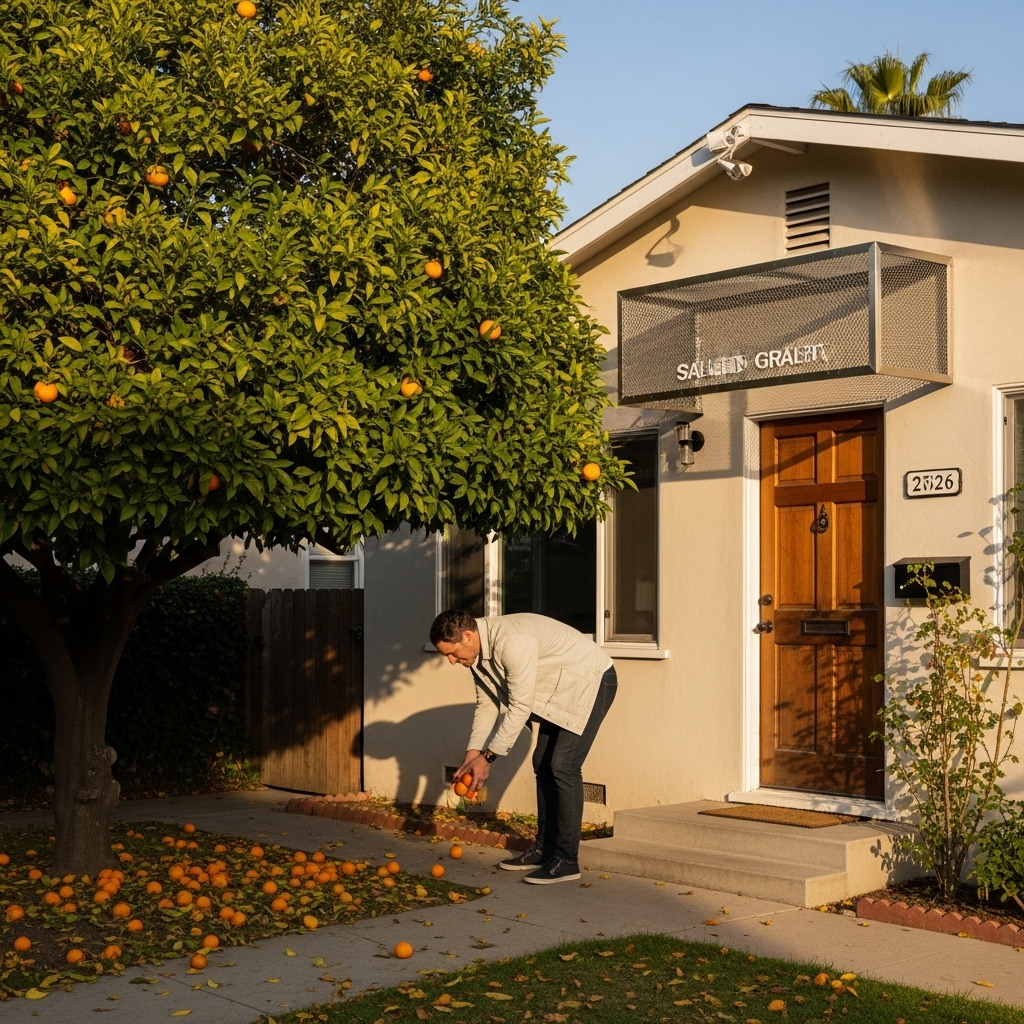
Fall brings the famous Santa Ana winds, which test every seam and edge. This is the time to recheck vent screens and roofline seals. On tile roofs, look closely at the eave line where repeating gaps can open if guards shift. In yards that boast citrus, figs, or pomegranates, fruit drops become a daily reality; pick up promptly to eliminate a major attractant. As nights cool, attics become more tempting. Listen for new sounds just after sunset and before dawn—prime activity times for roof rats. If you hear anything unusual, make a note and consider a professional review before the rains start.
Fall is also a season for home projects and back-to-school routines. Cable upgrades, EV chargers, and smart-home devices often mean new penetrations. After an installer leaves, do a quick walkaround: any new line entering the wall should be sealed with mesh behind the caulk, not just a bead of sealant. This small check preserves the integrity established by your earlier proofing work.
Winter: Rains, Shelter Seeking, and Indoor Vigilance
While LA winters are generally gentle, cold nights and periodic rain push rodents to seek shelter. After the first real downpour, take a slow lap around the exterior to look for washed-out soil that might expose gaps, especially near crawlspace vents or foundations. In the garage, confirm the bottom seal meets the floor evenly—the edges are where gaps reappear. Indoors, pay attention to subtle odors around the attic hatch or recessed lights; warmth can draw air from the attic into living spaces, carrying smells that suggest activity.
This is also the season for deeper cleaning in seldom-used areas. Pantries, closets, and laundry rooms benefit from a fresh reset. Wipe down shelves, rotate stock, and store baking supplies in sealed containers. Winter is when small crumbs left behind from holiday baking can become irresistible. A tidy reset supports the structural defenses you have in place.
Transitions Between Seasons: The Best Time to Check
The few weeks that bridge one season to the next are perfect for quick inspections. After spring blooms, before summer heat locks in, walk the fence line and trim any new growth touching the eaves. After summer, before fall winds, confirm that exterior caps and screens are tight. After fall winds, before winter rains, circle back to look for newly opened gaps. These short, targeted checks take minutes and pay dividends across the year.
Neighborhood context matters, too. If a nearby property is undergoing major renovation, you may see a temporary uptick in rodent pressure as habitats shift. Coordinate with neighbors about trash routines and alley cleanliness. Shared vigilance reduces the burden on any single home and keeps block-level activity in check.
Attics, Crawlspaces, and Quiet Clues
The places you visit least often often hold the best information. In the attic, look for flattened insulation trails, rub marks along rafters, or droppings near vents. In the crawlspace, check duct lines for abrasion and vapor barriers for damage. A simple flashlight and a slow pace reveal a lot. If something looks off, it likely is. Catching a small issue now prevents more complicated work later.
One of the most overlooked seasonal tasks is testing the garage door for a light seal. With the door closed in the evening, stand inside and see if daylight shows at the corners. If it does, replace the sweep or adjust the track. It’s a quick job with outsized results, especially in neighborhoods where garages are the most used entry points.
Habits That Travel Through All Seasons
Some practices are season-proof. Store pet and bird food in rigid containers with tight lids. Keep cardboard off the garage floor. Avoid ivy climbing directly onto the structure. Elevate firewood and keep it away from walls. Rotate where you stage trash and recycling if an area seems to draw attention. These habits create a baseline that makes seasonal adjustments more of a light tune-up than a heavy lift.
Importantly, make sanitation a quiet, steady routine rather than an occasional blitz. Hose down bin areas, sweep patios, and clear corners where debris accumulates. These small acts remove scent cues that can otherwise serve as a breadcrumb trail to test your home’s defenses.
Coordinating with Professionals
Professional partners make seasonal care easier. A spring or fall review catches most weather-related shifts, and quick check-ins after major work—roofing, solar, HVAC, or landscaping—ensure that new penetrations get sealed to the same standard as the rest of the home. When you schedule, ask for photos and notes so you can track changes year over year. Your property becomes a well-documented system rather than a mystery you have to figure out from scratch each time.
For those planning upgrades, combining projects can reduce disruption. If you are adding insulation or sealing ducts, pair that work with a proofing review to align materials and access. When you understand what comprehensive rodent proofing includes, it’s easier to integrate new work without reopening old vulnerabilities.
FAQ: Seasonal Rodent Proofing in LA
Q: What’s the single most important seasonal task?
A: Check roofline screens and garage door seals at least twice a year—after winds and before rains. These two areas account for a large share of new openings and are easy to correct when caught early.
Q: Do I need to inspect after every heat wave or wind event?
A: Not every time, but after particularly intense periods, a quick visual pass helps. High heat can warp plastics; strong winds can loosen screens. Five minutes now prevents hours later.
Q: How do fruit trees fit into a seasonal plan?
A: Harvest regularly and pick up fallen fruit daily during peak production. Consider trimming branches back from the roof line before fall winds. Fruit management is one of the most impactful steps you can take.
Q: Are poisons a necessary part of seasonal control?
A: No. Exclusion and sanitation drive sustainable results. Where trapping is needed, it should be targeted and temporary, paired with repairs. The focus is on removing the opportunity, not just the symptom.
Q: What signs in the attic should trigger a call?
A: Fresh droppings, new runways through insulation, or intensified odors on warm afternoons are strong signals. Address them promptly so the season doesn’t become a foothold.
Q: How do I coordinate seasonal checks with other home care?
A: Tie them to familiar milestones—HVAC filter changes, gutter cleaning, or daylight saving time shifts. Consistency is more valuable than complexity.
If you want the easy calm that comes from a home that stays quiet through every LA season, bring in a team that matches your calendar and your neighborhood. Start by exploring how professional rodent proofing can anchor your seasonal routine so small checks, quick fixes, and smart habits keep your home protected all year.