
Attics in Los Angeles: where comfort begins
In Los Angeles, the attic is more than storage. It’s the buffer between coastal breezes or Valley heat and the rooms where life happens. When rodents pass through that buffer—even briefly—they leave behind contamination and odors that erode comfort and invite repeat visits. That’s why ongoing rodent sanitation maintenance is a smart habit for Angelenos who want steady indoor air quality, quieter ceilings, and insulation that does its job season after season.
Attics here have character. Clay tile roofs over Hancock Park classics, asphalt shingles on Valley ranches, and low-slope roofs on Mid-Century gems all shape how air moves and where dust and scent collect. A maintenance mindset recognizes those differences and builds a simple rhythm of inspection, cleanup, and small upgrades that keep the space clean and the house calm.
Why maintenance matters even after a full reset
After a thorough sanitation—insulation removed and replaced where needed, surfaces cleaned and disinfected, odors neutralized—many homeowners experience a kind of relief they didn’t know they were missing. The air feels clearer, and the house seems to exhale. Maintenance preserves that feeling. Because Los Angeles weather and wildlife are dynamic, tiny incursions can occur at roof transitions, gable vents, or utility penetrations. A maintenance visit catches early signs before they compound, removing any fresh contamination and ensuring that exclusion measures remain tight.
Think of it like routine dental cleanings after a deep treatment. The heavy lifting is done, but small, regular check-ins keep everything stable and predictable.
Understanding your attic’s microclimate
Every attic breathes differently. Coastal homes benefit from strong cross-ventilation but may deal with corrosion that weakens old screens. Valley attics can soar in temperature, intensifying any lingering scent and stressing materials. Hillside homes experience wind patterns that move dust and odor into surprising corners. Maintenance sanitation takes these microclimates into account, focusing on the areas where air moves and where residues can anchor—around can lights, along duct runs, and near soffit and ridge vents.
By mapping how your attic behaves across the seasons, technicians can anticipate where small problems might emerge and address them before they surface as noises, odors, or temperature swings in the rooms below.
What a maintenance visit includes
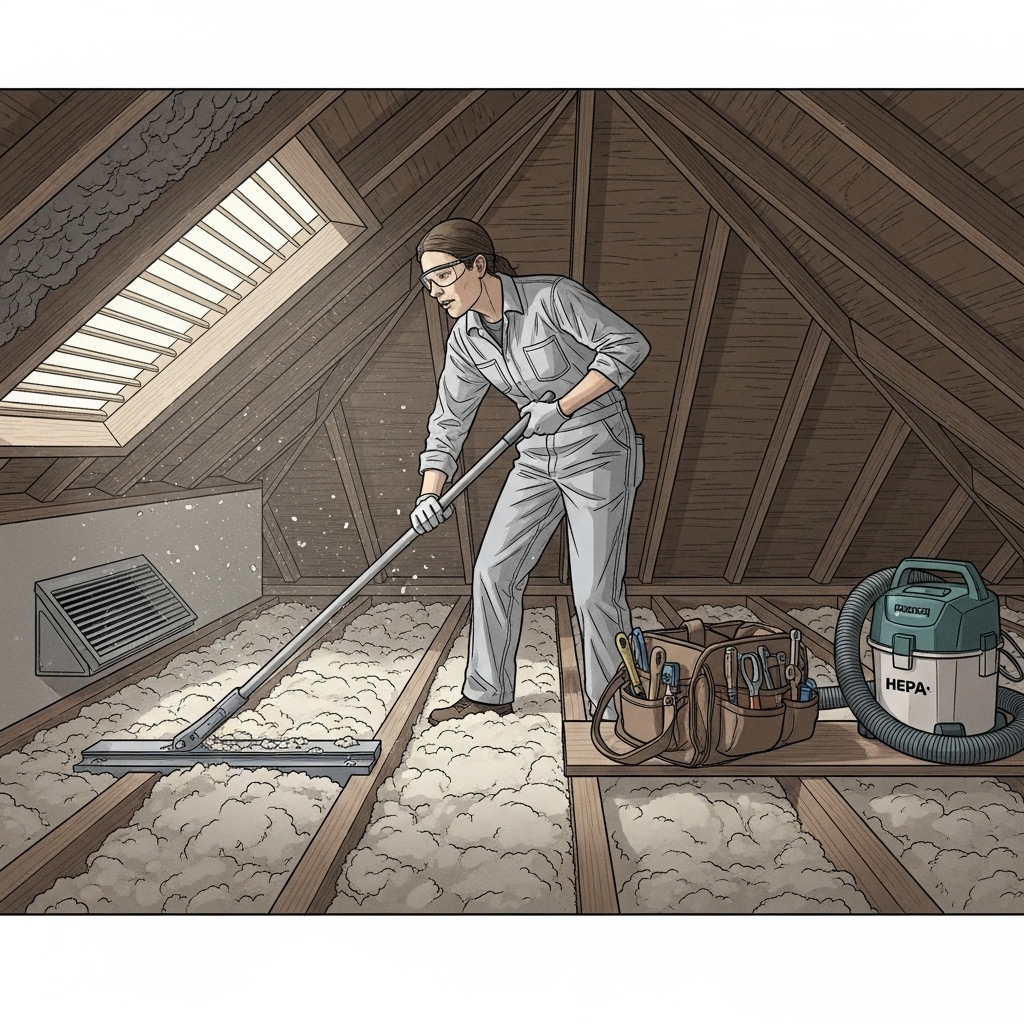
A typical maintenance sanitation visit is efficient and focused. Technicians check access points, scan for fresh droppings or nesting, and assess insulation for compression or displacement. They use HEPA vacuums for spot cleaning, apply targeted disinfection where needed, and confirm that odor levels are neutral. Just as important, they review ventilation—making sure vents are clear and screens intact—so the attic maintains stable temperatures and dries out after rare rainy periods.
Documentation is part of the service. Homeowners receive photos and notes so they can see what changed, what stayed stable, and what minor improvements will lock in the gains for the next season.
Insulation care: keeping the thermal blanket intact
Insulation is the unsung hero of L.A. homes. Over time, even without heavy rodent activity, traffic from tradespeople and shifting materials can reduce its performance. Maintenance sanitation includes gently re-leveling displaced insulation, replacing small contaminated sections, and confirming that baffles and chutes are in the right position to allow soffit air to flow. These small actions preserve energy efficiency and keep the attic quiet—the acoustic benefit of intact insulation is real, especially along busy corridors and under flight paths.
When contamination requires larger replacements, the work is scoped clearly so you can plan without surprises. The goal is always to handle only what’s necessary while protecting the overall system.
Entry points and quiet reinforcements
Exclusion is not static. Sun, wind, and seasonal movement take a toll on caulks, screens, and hardware. Maintenance visits include gentle but thorough checks of vents, roof-to-wall transitions, chimney caps, and utility penetrations. If a screen is degraded or a seam has opened, it’s noted and often handled on the spot. These quiet reinforcements keep your attic sealed, which in turn keeps sanitation work effective for the long term.
Hancock Park’s tiled eaves, the Westside’s salty air, and the Valley’s intense sun all age materials differently. A local, experienced eye catches these subtleties and helps you get in front of them.
Timing your maintenance for L.A. seasons
The best schedule aligns with the city’s rhythms. Many homeowners prefer a spring visit after winter rains and a fall visit before the first cool nights encourage roofline exploration. Others schedule after specific events—roof repairs, solar installations, or HVAC work that disturbs the attic. By anchoring maintenance to these moments, you ensure that fresh contamination never accumulates and that any changes in the building envelope are quickly integrated into your prevention plan.
During wildfire smoke periods, teams use enhanced filtration and plan extra ventilation time post-service so freshened attics don’t draw in poor-quality air. It’s a small adjustment that pays big dividends in indoor comfort.
Odor neutrality: the benchmark for success
The clearest signal that attic sanitation is doing its job is odor neutrality. On hot afternoons, you shouldn’t notice a musty undertone drifting down from the hatch. On cool evenings, opening windows should bring in the neighborhood, not the attic. Maintenance protects that neutrality by eliminating small scent reservoirs before they grow. Homeowners often remark that their homes feel “lighter” or “cleaner,” a subjective but dependable indicator.
If a new odor appears, it’s addressed scientifically: track the source, remove the reservoir, and verify with a return visit if needed. Guesswork is replaced with method.
How maintenance supports the rest of your home
Clean attics help everything else work better. HVAC systems run more efficiently in stable temperatures. Indoor air collects less dust. Rooms stay quieter. Even renovations go more smoothly because contractors aren’t contending with contaminated spaces. Maintenance sanitation is thus a multiplier: a modest investment of attention that elevates every part of daily living.
For households with pets or young children, that stability transforms routines. Bedrooms under the attic stay consistently comfortable. Nighttime quiet becomes normal. The whole home feels more predictable.
Working with professionals who know L.A. houses
Look for teams that combine technical rigor with practical communication. They should explain what they see, why it matters, and what they recommend, without overselling. They’ll respect architecture—from delicate plaster to modern recessed lighting—and stage the work so your home stays clean. This blend of craft and courtesy is what makes maintenance sustainable: you can plan for it, trust it, and see the results in photos and in how your home feels.
Mid-visit updates matter, too. When technicians pause to show a cleaned corner or a reinforced vent, homeowners understand the value of targeted rodent sanitation as part of a broader care plan.
Frequently asked questions
Q: How often should I schedule attic sanitation maintenance?
A: Many Los Angeles homeowners find that twice a year—spring and fall—keeps conditions stable. Adjust based on roof work, HVAC service, or any signs of activity.
Q: Will maintenance disrupt my day?
A: Visits are typically brief and well-contained. Pathways are protected, noise is kept to a minimum, and most homeowners continue their routines while technicians work.
Q: What if my attic was sanitized years ago?
A: A fresh inspection will reveal whether conditions have held. Often, a light maintenance pass—spot cleaning, minor screen upgrades, odor verification—is all that’s needed.
Q: Do I need new insulation every time?
A: No. Maintenance focuses on preserving what you have. Only localized contamination or compression warrants replacement, and that decision is documented clearly.
Q: How will I know the maintenance is working?
A: Neutral odors, steady temperatures, and quiet nights are the everyday clues. Photos and notes from each visit create a record that shows stability over time.
Give your home a steady baseline
If you’re ready for consistent comfort and cleaner air from the top down, make attic care part of your home’s routine. Align maintenance with the seasons, keep small issues small, and enjoy the confidence that comes from a space that’s clean, sealed, and quiet. When it’s time to schedule professional rodent sanitation maintenance, you’ll feel the difference every time you step inside and breathe.