
Reading the city through sanitation
Los Angeles is a city of neighborhoods, each with its own rhythm, architecture, and microclimate. Drive from Venice to Highland Park in a single afternoon and you’ll feel the air change, watch the plant palette shift, and see rooflines evolve from flat-topped beach duplexes to steep-gabled craftsman bungalows. Those differences aren’t just aesthetic; they shape how rodents move, nest, and adapt—and they inform how sanitation teams reset spaces for long-term health. In this way, rodent sanitation is a kind of urban anthropology, tracing how buildings breathe and how residents live.
In recent years, several trends have emerged across L.A. neighborhoods that are changing how we plan, schedule, and execute sanitation. These trends reflect environmental shifts, development patterns, and lifestyle changes, and they reveal a city that continues to evolve in both subtle and striking ways.
Microclimates are policy, not just weather
On the coast, salt air and steady breezes create rooflines that weather quickly and ventilate aggressively. In the Valley, high summer heat drives attic temperatures to extremes. Sanitation practices respond accordingly. Coastal neighborhoods often see an emphasis on sealing and screening that can withstand corrosion, followed by sanitation that targets wind-driven dust and salt that hold odors. Valley projects prioritize insulation resets and odor neutralization because high heat amplifies scent and accelerates degradation in contaminated materials.
Hillside communities—from Mount Washington to the Hollywood Hills—bring their own challenges. Elevated decks and stilted sections create crawlspaces that act like wind tunnels, while lush vegetation offers transit routes. Sanitation teams spend time in those transitional spaces, tracking how air moves so they can treat corners that appear still but act like scent chimneys on certain days.
The ADU and renovation boom
As accessory dwelling units (ADUs) and renovations proliferate, the city’s quieter voids are waking up. Construction opens cavities, exposes older contamination, and temporarily disrupts rodent routes. The trend among savvy builders and homeowners is to integrate sanitation into the construction sequence: a pre-drywall pass to remove legacy contamination and a post-construction pass to neutralize new residues and dust. This two-step approach keeps new living spaces from inheriting old problems and ensures that fresh finishes don’t seal in odors.
In neighborhoods with older housing stock—Echo Park, Silver Lake, Highland Park—renovations often reveal historic craftsmanship alongside gaps, vents, and chases that were never designed to be rodent-proof. Sanitation here is paired with smart exclusion that respects the architecture while quietly modernizing its defenses.
Landscape choices and urban wildlife corridors
Los Angeles has embraced drought-tolerant landscapes, but not all drought-friendly designs are equal from a sanitation perspective. Dense groundcovers and stacked planters can create comfortable corridors. Conversely, thoughtful plant spacing and regular fruit pickup around citrus and avocado trees reduce attractants without sacrificing beauty. Sanitation technicians increasingly confer with homeowners and gardeners, aligning indoor resets with outdoor maintenance schedules so that scent markers are removed at the same time as food sources are minimized.
Along the L.A. River corridor and in neighborhoods reinventing their public spaces, sanitation teams are noticing a subtle shift: improved riparian habitat is wonderful for ecology and recreation, but it can also expand the range for urban wildlife, including rodents. The answer isn’t to retreat from green spaces; it’s to balance them with smarter building envelopes and timely sanitation.
Community composting and waste management
As composting and recycling participation rise, buildings are adjusting how they handle organic material. The trend is toward sealed containers, cleaner trash rooms, and more frequent sanitation of waste nodes, especially in multifamily settings. Where communities have aligned on these habits, follow-up calls drop and resident satisfaction climbs. The principle is simple: remove the signals and residues that broadcast opportunity, and exploration diminishes.
Some neighborhoods—Santa Monica, Culver City, portions of the San Fernando Valley—have become models for tight waste management. Technicians report that after a comprehensive sanitation, these buildings stay stable longer because external pressure is lower and internal cues have been erased.
Data-driven scheduling and seasonal pivots
Another trend is proactive scheduling keyed to local conditions: after heat waves, during the first cool nights of fall, and following significant rain events. Teams track these triggers because rodent behavior shifts with weather. Sanitation performed during these windows removes fresh contamination before it layers, making the work more efficient and the results more durable. Homeowners and managers now request these seasonal passes, treating sanitation like changing HVAC filters or cleaning gutters—part of the rhythm of caring for a property in L.A.
In years with notable wildfire smoke, technicians also factor indoor air concerns into planning. HEPA filtration and containment are standard, but San Fernando Valley and foothill communities may schedule extra ventilation time post-service to ensure that new insulation and treated surfaces off-gas into clean air rather than smoky air.
The rise of photo documentation and transparency
Angelenos value clarity, and the industry has responded with robust documentation. Before-and-after photo sets, clear scope descriptions, and simple language about what was removed and why are now the norm. This transparency builds trust and helps homeowners maintain results because they can visualize the spaces that were reset. In a city where real estate values are high and renovations are common, this record becomes part of the home’s story, reassuring future buyers that the unseen parts of the house are well cared for.
For multifamily properties, documentation elevates community confidence. Boards and residents can see progress and understand why certain areas—trash rooms, utility chases, rooflines—receive ongoing attention.
Sanitation that respects architecture
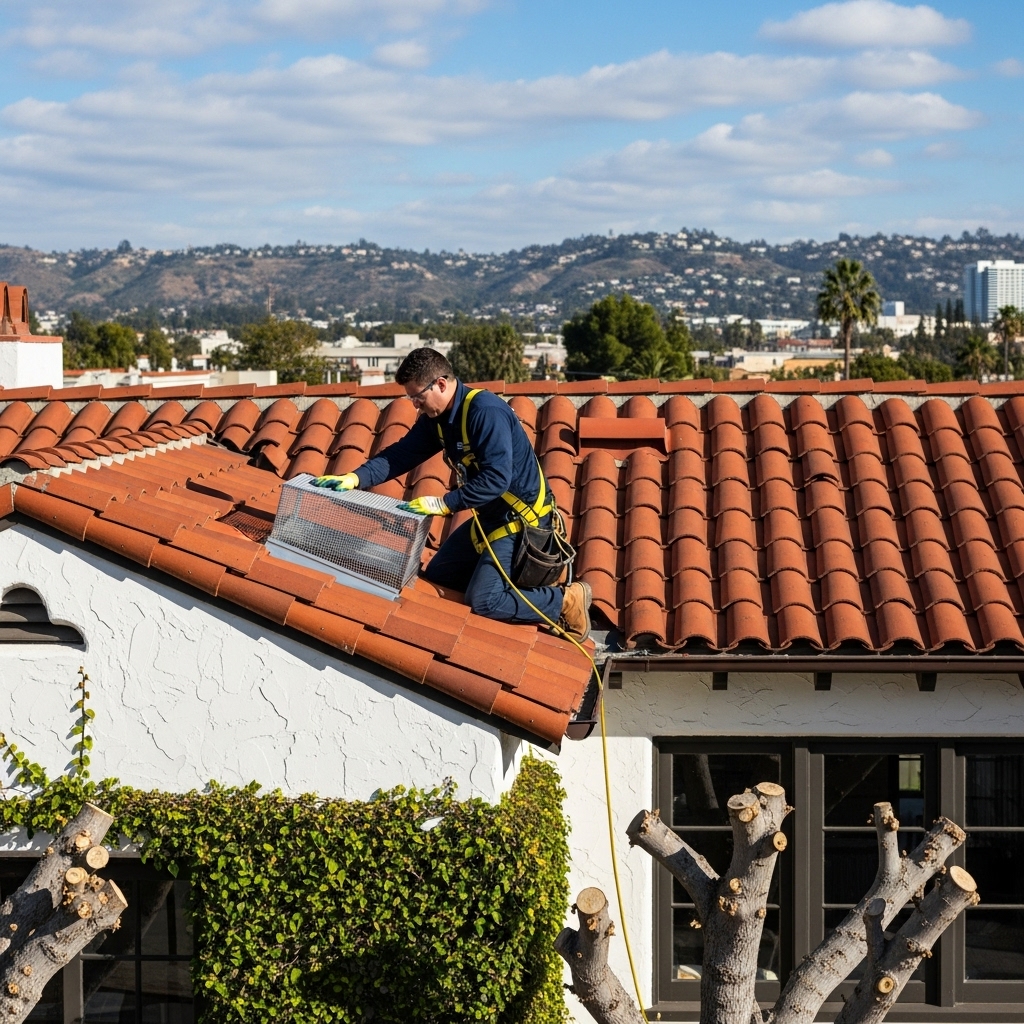
From Spanish Revival eaves to Mid-Century Modern rooflines, L.A. architecture is diverse. The trend is toward sanitation that preserves those details while integrating modern health standards. That means careful removal methods that protect plaster and lathe, odor treatments that don’t overwhelm natural materials, and insulation choices that complement the building’s thermal behavior. Homeowners appreciate when technicians speak the language of architecture and climate, connecting the dots between beauty, function, and cleanliness.
In landmark districts, discreet work is vital. Teams coordinate with homeowners to ensure that access is respectful and that the visual impact of any upgrades, like vent screens, is subtle from the street while robust up close.
Middle-mile integration with exclusion and repairs
A consistent best practice across neighborhoods is treating sanitation as the middle mile between control and repair. Control stops active activity. Sanitation removes contamination and odor. Repairs and insulation reset the envelope. When that cadence is honored, results last longer. Homeowners who used to experience seasonal flare-ups now report long stretches of quiet ceilings and clean air. This integrated approach is especially effective in hillside homes, where wind and slope magnify small vulnerabilities.
Mid-project is also the moment when homeowners most clearly see value. When technicians pause to show the cleaned voids and explain how disinfection neutralizes scent, the impact of targeted rodent sanitation becomes tangible, not just theoretical.
Education without alarm
Another citywide shift is tone. Effective sanitation providers educate without scaring. They explain risks accurately, offer practical steps for homeowners, and tailor advice to lifestyle—pet care, gardening, storage, and renovations. This approach fits Los Angeles, where residents prefer solutions that respect their routines and aesthetics while delivering real improvements.
Workmanship and communication now go hand in hand. The technician who patiently walks a homeowner through photos on a phone in the driveway is as important as the one swapping out a contaminated insulation batt in the attic.
What this means for your neighborhood
Whether you’re in a breezy duplex in Mar Vista, a canyon home in Los Feliz, or a ranch in Woodland Hills, the lesson is the same: sanitation turns short-term fixes into long-term stability. By erasing scent trails, removing residues, and resetting insulation and ventilation where needed, you give your property a clean slate adapted to the realities of your block and microclimate. From there, modest habits—timely fruit pickup, tidy storage, quick reporting of noises or odors—keep everything on track.
Neighbors talk, and success spreads. Buildings that commit to consistent sanitation see fewer disruptions and enjoy a quieter, fresher baseline that becomes part of the neighborhood standard.
Frequently asked questions
Q: Which neighborhoods see the most rodent pressure?
A: Pressure tends to be highest where vegetation is dense and structures are layered—hillsides, mature neighborhoods with heavy tree cover, and areas near commercial corridors. That said, every neighborhood benefits from sanitation tailored to its microclimate and architecture.
Q: How often should sanitation be scheduled?
A: After an initial reset, most homes and small buildings do well with periodic check-ins—often seasonally or after major weather events. Multifamily properties may add targeted sanitation of trash rooms and utility spaces on a regular cadence.
Q: Does new insulation always follow sanitation?
A: Only when contamination or compression warrants it. A thorough inspection determines whether a full reset or spot replacement is appropriate, with R-values chosen for local conditions.
Q: Will sanitation change how my home looks?
A: The goal is to protect the look of your home while improving what you can’t see. Access hatches are resealed neatly, and any upgraded screens or vents are chosen to blend with existing materials.
Q: How do I know the work was successful?
A: A combination of clear documentation, improved air quality, and the absence of odors or noise are the primary indicators. Follow-up visits confirm that the reset is holding.
Choose the reset that fits L.A.
If you’re noticing patterns—seasonal noises, stubborn odors, or renovation surprises—align your next steps with the way Los Angeles actually lives. Treat sanitation as integral, not optional, and make decisions that honor your neighborhood’s character while protecting your home’s health. When you’re ready to align prevention with comfort, schedule professional rodent sanitation and let your property breathe easier, season after season.