
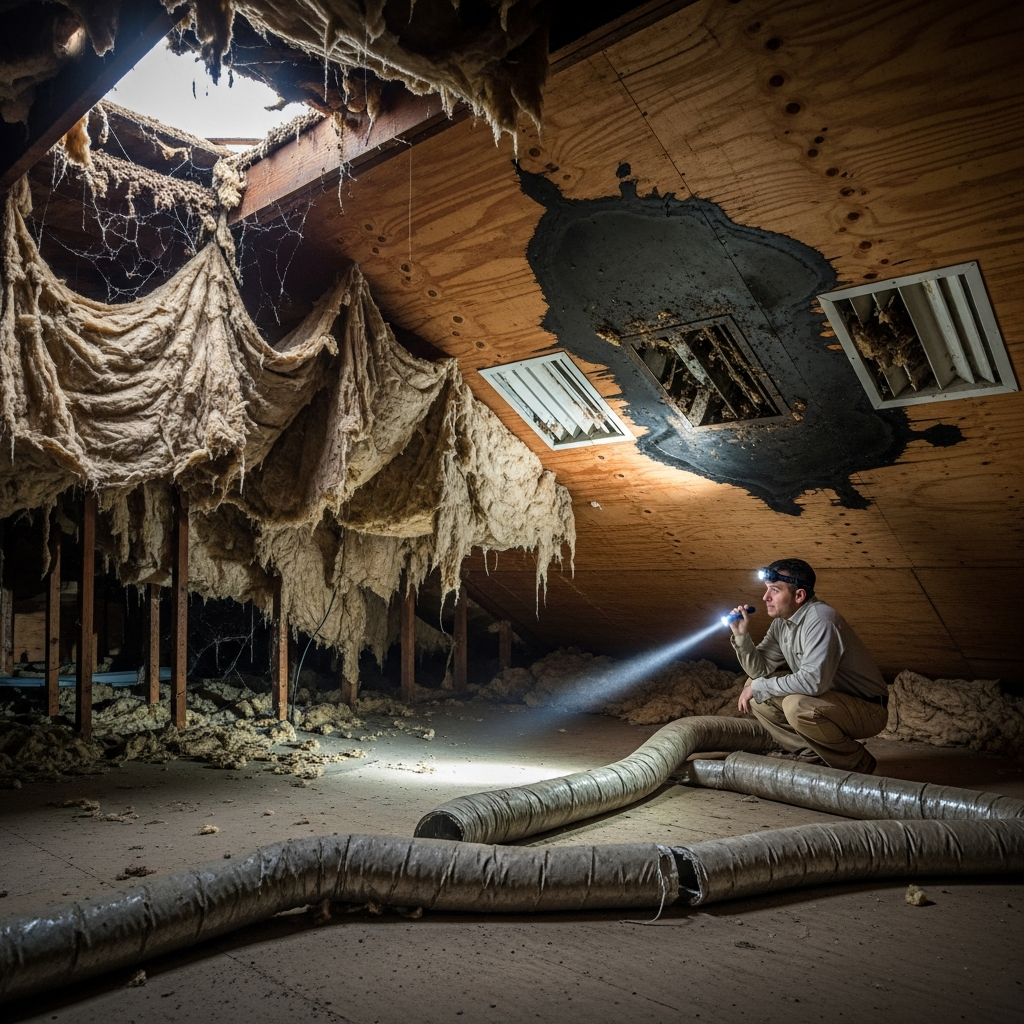
After years of climbing through hatches from Venice to Highland Park, I have learned that no two Los Angeles attics are quite the same—but their problems are surprisingly familiar. Our region’s blend of ocean air, inland heat, seasonal winds, and urban density creates a perfect storm for dust, pests, and moisture to gather where you least want them. Understanding the most common attic cleaning issues helps you tackle the root causes rather than just sweeping up symptoms, and it starts with comprehensive attic cleaning that uncovers what is really happening above the ceiling.
Because so few homeowners venture into their attics, trouble often simmers for years. A faint odor after a heat wave, a haze of dust around recessed lights, or a persistent hot bedroom are the breadcrumbs that lead to bigger stories. When we open the hatch, we usually discover a combination of culprits—each feeding the other and quietly undermining air quality and comfort indoors.
Rodent Activity and Contamination
Across Los Angeles, roof rats are the most common attic intruders. They are nimble, determined, and quick to turn a quiet rafter bay into a runway. The evidence is clear: droppings, urine staining, disturbed insulation, and gnaw marks on utility penetrations. Beyond the mess and odor, their presence increases airborne contaminants as dust binds with droppings and becomes part of the air you breathe. Cleaning here means careful HEPA vacuuming, safe removal of contaminated insulation, targeted sanitizing, and, crucially, sealing entry points after the space is restored. Without that last step, the cycle repeats.
We also see the aftermath of quick fixes that miss the bigger picture—sprinkling repellents or setting a few traps without addressing gaps at eaves, roof returns, or utility lines. Proper remediation begins in the attic but must follow the trail outside to seal and harden the perimeter so the space stays clean.
Ventilation Blockages and Heat Build-Up
In older homes, soffit vents are frequently clogged by layers of paint, dust, or insulation that has slumped into the eaves. With inlets blocked and ridge or gable vents underperforming, heat stagnates. That raises attic temperatures, bakes roofing materials, and reduces insulation effectiveness. During cleaning, we clear soffits, reestablish baffle channels, and verify exhaust ventilation, transforming a sweltering cavity into a moving airstream that sheds heat efficiently.
We often find that simple missteps compound the issue. Storage boxes pushed to the eaves, dense debris lodged behind knee walls, and makeshift pest screens all interfere with airflow. Once cleaned and organized, homeowners quickly notice cooler ceilings and fewer hot spots directly under the attic.
Moisture Intrusion and Odors
Even in a dry climate, moisture sneaks in. On the coast, fog and dew team up with aged roof underlayments; inland, big storms test every seam and flashing. The signs range from a faint mustiness near the hatch to subtle discoloration on sheathing. Bathroom fans terminating in the attic are a frequent offender, pumping humidity where it does not belong. During cleaning, we trace these sources, correct vent terminations, and treat affected areas so odors do not linger. Prevention—clear paths to the exterior and balanced ventilation—keeps the attic dry going forward.
We also encounter the aftermath of spills from HVAC condensate lines in attics. Small leaks, unnoticed for months, dampen insulation and stain joists. Cleaning reveals these pockets and allows for quick repairs and drying strategies before secondary problems develop.
Old or Compromised Insulation
Insulation that is dusty, compacted, or contaminated cannot do its job. We frequently remove batting that has slumped away from coverage, leaving thermal shortcuts that translate to hot and cold rooms below. In some vintage homes, remnants of obsolete materials linger, and careful handling is important to avoid spreading particulates. A complete cleaning clears the deck for fresh, evenly distributed insulation that pairs with air sealing to improve comfort immediately.
It’s not uncommon to find insulation jammed tightly into eaves, suffocating the soffits. During cleaning, we pull that back and install baffles so air can flow freely without undermining coverage. The difference in peak attic temperatures on a sunny day is dramatic, and homeowners feel that improvement right away.
Leaky Ducts and Dusty Returns
Many Los Angeles homes route ductwork through attics, which means leaks send conditioned air into the very space you are trying to isolate, while drawing dusty attic air into returns. A cleaning project is the perfect moment to test and seal ducts, add insulation wraps where needed, and confirm connections. The payback shows up as steadier room temperatures and less dust settling on shelves and sills.
Another frequent find is a return chase that is effectively open to the attic due to gaps around framing. During cleaning, we expose and seal these bypasses, which not only improves air quality but also smooths HVAC operation across the home.
Post-Wildfire Ash and Urban Particulates
Our region’s increasing smoke seasons leave a fine gray film on attic surfaces—even miles from active fires. That residue carries odor and ultra-fine particles that drift into living spaces over time. Similarly, urban particulates from traffic corridors collect in eaves and corners and mingle with existing dust. Effective cleaning combines HEPA extraction, careful containment, and odor-neutralizing sanitizing so the attic no longer acts like a reservoir for pollutants.
After particularly smoky weeks, we recommend a post-event check. If the attic shows visible ash or lingering odor, a targeted cleanup restores air quality before the next heat wave stirs everything up again.
Safety and Access Challenges
From narrow scuttle hatches to delicate plaster ceilings, getting into LA attics safely is its own art. Improper movement can crack finishes or dislodge ceiling texture. Professional crews plan access routes, lay protection, and use stable platforms to move through the space without damage. That preparation matters as much as the cleaning itself because it keeps the living spaces below intact and undisturbed.
Electrical surprises are common, too. We often find unprotected splices or abandoned wires. Cleaning reveals these hazards so licensed electricians can correct them. The end result is not only a cleaner attic but a safer home.
The Payoff: Cleaner Air, Better Comfort, and Fewer Surprises
When these common issues are addressed together, the effect is transformative. Odors fade, dust settles less often, and rooms under the roof stop running several degrees hotter than the rest of the house. The roof assembly benefits as well, with heat and moisture moving in balanced ways that extend the life of shingles and sheathing. Attic cleaning is the gateway to these improvements because it exposes what needs fixing and creates a foundation for durable solutions.
In the middle of a project, homeowners often ask what will keep the space clean over time. The answer rests in disciplined attic cleaning up front, followed by sealing, ventilation balance, and routine checks after weather events. Once the attic is orderly and documented with photos, it becomes far easier to spot and correct small problems before they grow.
FAQs
Why do I smell a musty odor on hot afternoons?
Heat increases air movement through small gaps and releases odors from contaminated or damp materials. Cleaning and sealing the attic removes those sources and reduces the pathways that let attic air mix with indoor air.
How do rodents keep getting back in?
If entry points at eaves, roof returns, and utility penetrations remain open, rodents will return. After cleaning and sanitizing, sealing those gaps and hardening the perimeter is essential to break the cycle.
Will cleaning help my noisy HVAC?
By sealing ducts and reducing leakage, your system does not have to work as hard to move air. A clean, sealed attic often leads to quieter operation and more even temperatures.
Do I need to replace all my insulation?
Not always. If insulation is dry, intact, and free of contamination, topping up after cleaning and air sealing may be enough. Compacted, damp, or odorous insulation is best removed and replaced so problems are not buried.
How quickly can common issues be resolved?
Most standard cleanings, sealing, and ventilation corrections can be completed in a day or two, depending on attic size and complexity. More complex repairs or insulation replacements may add time, but the living areas remain protected during the work.
When you are ready to clear the hidden problems above your ceiling and restore clean, balanced airflow, schedule professional attic cleaning with a Los Angeles team that understands local homes. We will uncover issues, clean them out, and set your attic on a healthier path so your entire house feels better, season after season.