
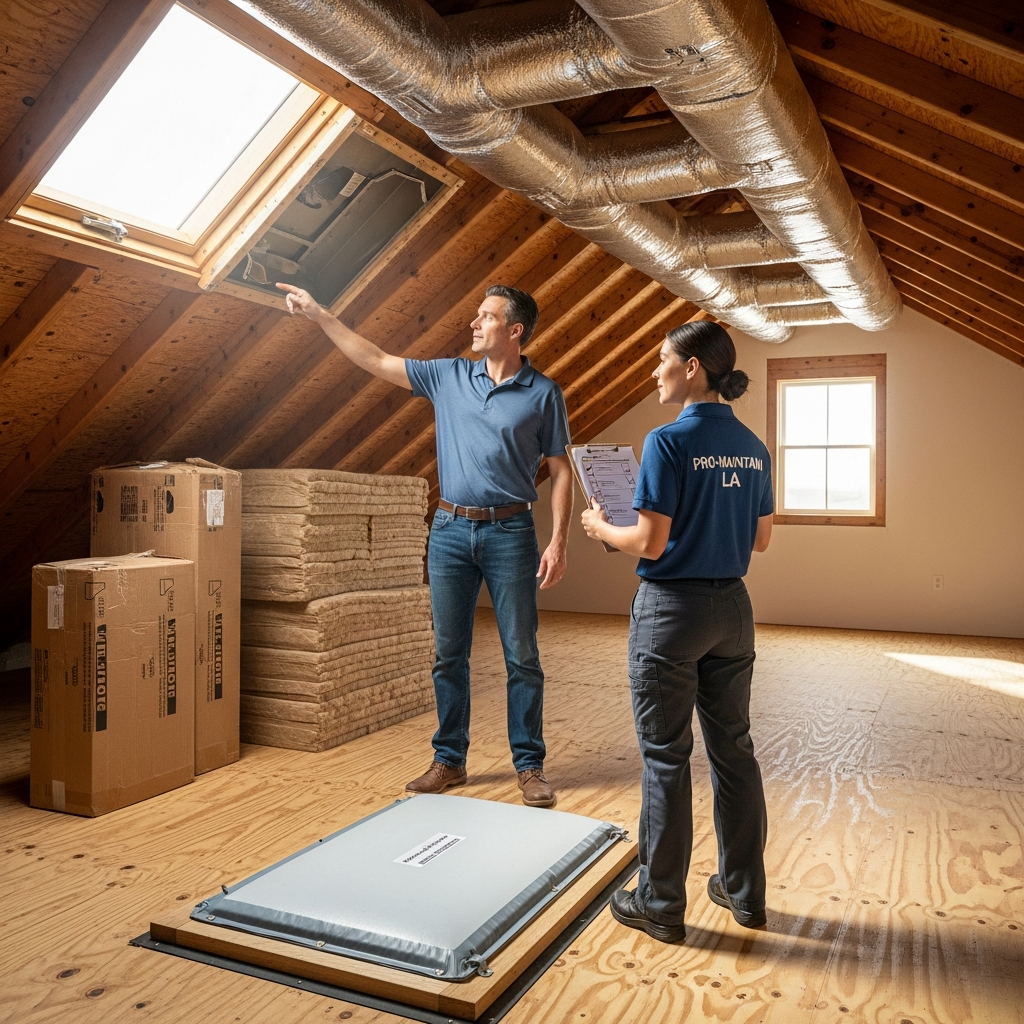
In Los Angeles, the attic is more than a storage space; it is a buffer that helps your home ride out hot spells, smoky days, and the occasional soaking storm. From the Westside’s marine layer to the Valley’s evening heat, our microclimates make routine, proactive care a smart habit rather than an optional chore. I have spent years helping homeowners convert neglected attics into clean, stable systems, and the most durable results always start with comprehensive attic cleaning followed by simple, consistent maintenance steps that keep the space healthy.
Los Angeles living means adjusting to seasonal extremes. In autumn, dry winds send dust and debris under eaves. In winter, big rains test roofs and flashing. In spring, pollen rides the breeze from canyons and tree-lined streets. And in summer, the sun drives attic temperatures to punishing highs. When your attic is clean, sealed, and ventilated, it absorbs these shifts without passing problems down into your living spaces. Proactive maintenance is how you hold on to that advantage.
Start with a Clean, Sealed Baseline
Effective maintenance depends on a good starting point. A deep cleaning removes contaminated insulation, dust, and debris that would otherwise continue to circulate odors and particulates. Air sealing during or immediately after cleaning closes gaps around light fixtures, plumbing stacks, and wiring penetrations so attic air stops exchanging with the rooms below. Clear ventilation paths—soffit to ridge or balanced gables—complete the foundation. With those elements in place, inspections become simpler and any changes stand out quickly.
Documenting the attic when it is at its best is invaluable. Photos of cleared soffits, sealed penetrations, and fresh insulation provide a reference that makes future checks far more effective. When something looks different, you can spot it immediately and address it before it becomes a larger issue.
Seasonal Checkpoints That Work for LA
In late summer or early fall, before Santa Ana winds arrive, a quick visual check can save headaches. Look for disturbed insulation near eaves that might signal new rodent activity, ensure baffles remain open, and confirm that flex ducts are supported and undamaged. After significant wind events, a light dusting is normal, but accumulations near soffits or under gables hint at clogged pathways that should be cleared.
After winter storms, focus on moisture. Scan the sheathing and rafters for any darkening or fresh staining. Check that bathroom and laundry vents still terminate outdoors and that hose clamps are tight. If you have HVAC equipment in the attic, verify that condensate lines are draining properly and that secondary pans are dry. Early intervention here prevents odors and protects insulation performance.
Rodent Prevention as Routine
Proactive maintenance means thinking like a pest. Walk the perimeter outside and look up at the eaves for gaps or chewed edges. Trim branches that provide easy roof access. Inside the attic, note any new trails through insulation or faint odors that intensify on warm afternoons. Addressing these clues quickly prevents contamination from taking hold again. Cleaning is what resets the space; maintenance is what keeps it that way.
Sealing entry points is a living task because homes shift and age. Caulks shrink, screens work loose, and utility penetrations change during remodels. A spring and fall pass with a focus on the eaves and utility lines goes a long way toward protecting the clean baseline you invested in.
Ventilation and Insulation: Keep the Balance
The health of your attic depends on moving air where it should go and stopping it where it should not. Over time, insulation can settle or be pushed aside, especially around hatches and walkways. During maintenance visits, we fluff and redistribute where needed, check depths, and verify that baffles keep soffits open. If you feel a room growing hotter than it used to, the attic often tells the story—either a blocked inlet or a gap that lets heat pass around insulation.
Ventilation hardware deserves attention, too. Ridge vents can clog with debris and dust; gable vents collect spider webs and leaves; and older screens may restrict more air than they should. Gentle cleaning restores design airflow, and the payoff is a cooler attic that supports both comfort and roof longevity.
After Smoke or Dust Events
Wildfire smoke travels astonishing distances, and its residue is tenacious. If your neighborhood has experienced a smoky week, give the attic a special inspection. A faint ash film on rafters or a lingering odor is your cue for a targeted cleanup. HEPA vacuuming, surface wiping, and odor-neutral sanitizing return the space to baseline. Building this response into your routine reduces the long tail of respiratory irritation and keeps fine particulates from drifting down through gaps you worked hard to seal.
Similarly, construction nearby—roofing on your own home or heavy work next door—can stir dust and fibers that end up in your attic. A quick post-project check ensures nothing has been dislodged and that pathways remain clear.
Ducts, Fans, and the Systems that Touch the Attic
In many LA homes, ducts run through the attic, and that means maintenance must include them. Look for disconnected boots, loose mastic at seams, or insulation jackets that have slipped. Returns in particular should be tight so they do not draw dusty air from the surrounding space. Bathroom fans and laundry vents deserve equal attention: confirm they still discharge outdoors, are supported to prevent sagging, and have no tears. Small fixes here have outsized effects on cleanliness and comfort downstairs.
If your home has a whole-house fan, treat the attic as part of its maintenance loop. The fan should be air-sealed and insulated when not in use, and gable or ridge pathways must be clear to release the big air volumes it moves. A clean, sealed attic makes the fan more effective and prevents backdrafting of dusty air.
Create a Simple Attic Habit
Proactive maintenance does not require complex schedules. Pair quick attic checks with events you already track: the first warm weekend of spring, the switch to summer schedules, or the forecast of strong Santa Anas. Keep a small log—photos and a few notes—so patterns reveal themselves. Over a year or two, you will know exactly how your attic behaves and where to focus attention.
Halfway through many service calls, homeowners ask what “good” looks like. The answer is a quiet attic: no odors, no visible dust plumes when a light beam hits the hatch, insulation resting evenly, and steady temperatures below. Achieving that starts with professional attic cleaning, and maintaining it is a matter of short, regular visits—the kind that prevent surprises and support every system in your home.
Why Proactive Beats Reactive
Reactive attic work usually happens on the worst day—after a roof leak, during a heat wave, or when a rodent issue has already spread. Proactive maintenance flips the script. It costs less energy and worry to preserve a clean attic than to rescue a neglected one. Your reward is steadier comfort, cleaner air, and a roof assembly that wears weather with less drama. The attic may be out of sight, but when it is cared for, its benefits are felt in every room.
FAQs
How often should I inspect my attic?
Plan brief inspections twice a year—once before the windy season and once after the winter rains. Add quick checks after smoke events or major construction nearby. If anything looks or smells different, schedule a closer look.
Do I need professional help every time?
Not for routine checks, but periodic professional assessments catch issues you might miss and keep sealing, ductwork, and ventilation in top shape. If you detect contamination, moisture, or strong odors, bring in a pro to avoid spreading problems.
What are early signs that my clean attic needs attention?
Disturbed insulation near eaves, a faint musty scent on hot afternoons, dust halos around recessed lights, or new noises at night all suggest a developing issue worth investigating.
Is it okay to store items in a cleaned attic?
Light storage can work if pathways and soffits remain clear and boxes do not compress insulation. Avoid stacking near gables or over baffles, and use sealed containers to limit dust.
Will proactive maintenance really affect comfort?
Yes. Keeping soffits open, insulation even, and ducts tight directly influences how steadily rooms hold temperature and how often your HVAC must cycle. Small, regular tasks add up to a noticeably calmer home.
When you are ready to set your home up for year-round comfort and cleaner air, schedule professional attic cleaning and a tailored maintenance plan. Our Los Angeles team will reset your attic to a spotless baseline, then help you keep it that way so every season feels easier indoors.