
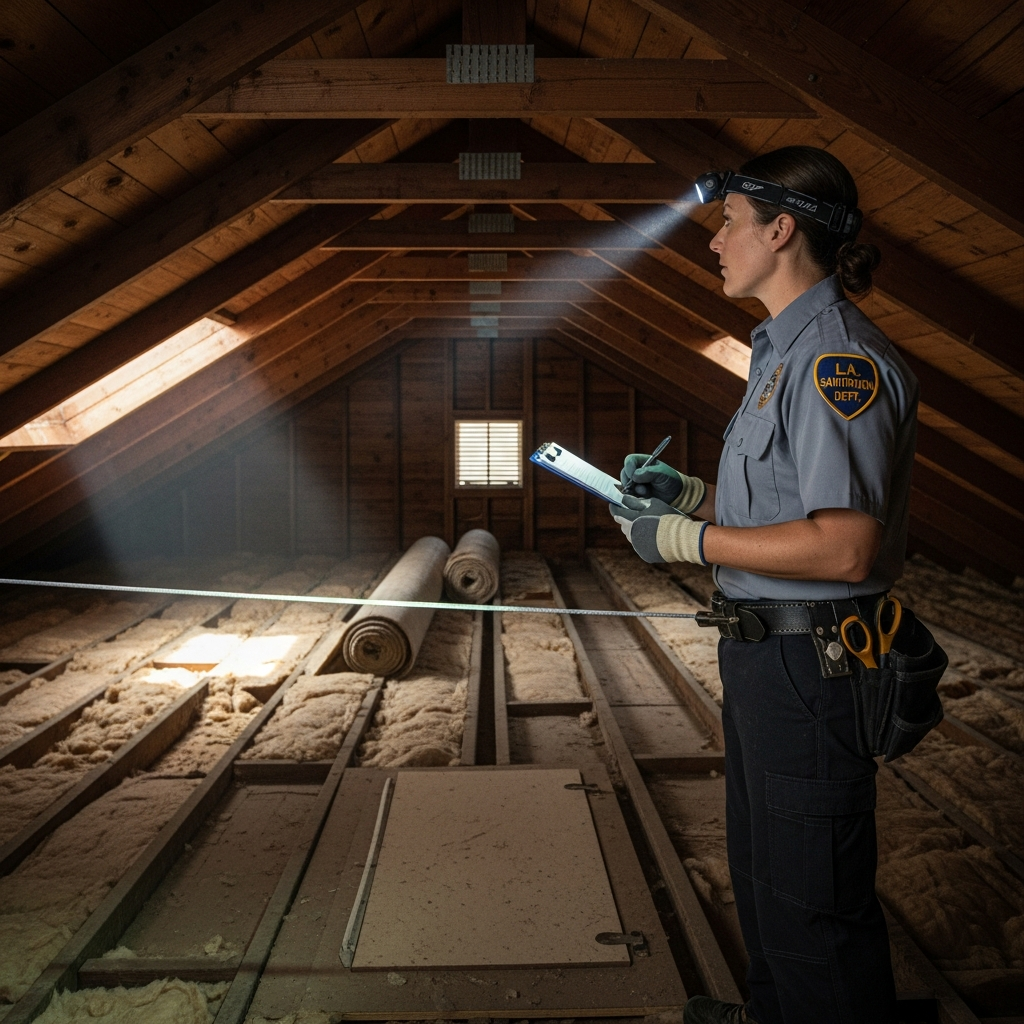
In Los Angeles, conversations about rodent sanitation often begin with scope and timing, but quickly turn to the practical question of how to plan the work and what influences the overall investment. While every property and situation are different, the same core variables tend to shape the project plan in our city’s diverse building stock. From hillside homes with intricate crawlspaces to loft conversions with expansive attics, the geometry of the structure, the extent of contamination, and the accessibility of the work zones determine how technicians proceed. Along the way, health protection, documentation, and long-term prevention guide decisions so that you are not just reacting to a moment but establishing durable, healthy conditions. Throughout this exploration of factors, keep in mind a guiding principle: a well-defined sanitation plan grounded in certified methods brings clarity and value by reducing unknowns and shortening the path to a clean, safe environment. When evaluating providers, insist on clarity around protocols and verified approaches to rodent sanitation so that your planning reflects true needs rather than guesswork.
In our region, geography and microclimate play roles that are easy to underestimate. The same property type a few miles apart can behave very differently. Near the coast, humidity can sustain odors longer and complicate dry-down after sanitation; inland, summer heat can quicken odor release from contaminated materials. On slopes, gravity shapes where droppings and nesting materials accumulate and how exclusion lines are set. These details matter because they affect the time and technique required to achieve a reliable outcome. A provider who knows Los Angeles will factor in those realities during the initial assessment, giving you a sense of sequence—what needs to happen first, what can run in parallel, and how to maintain safety during the process.
Scope Of Contamination
The single most influential factor is the extent and distribution of contamination. Are we dealing with isolated droppings along a single pathway, or are there multiple nesting sites with saturated insulation and stained sheathing? Local teams will inspect for primary and secondary zones: attics, crawlspaces, utility chases, and mechanical rooms. They consider how activity maps onto airflow paths, because residues near returns or ductwork have greater implications for shared air. Pinpointing scope allows the sanitation plan to target effort efficiently, focusing on heavy-impact zones while still addressing peripheral areas to prevent cross-contamination.
In older neighborhoods with long histories—think Echo Park or parts of West Adams—materials vary widely even within a single home. Patchwork renovations may have created layered floor systems, tucked-away voids, and hard-to-reach soffits. Technicians must trace these complexities to ensure complete removal of contaminated materials and proper disinfectant coverage. The denser and more distributed the contamination, the more carefully staged the work will need to be.
Access And Logistics
Access can be straightforward in a modern attic with a full-size hatch and open spans, or it can be a puzzle of short kneewalls, narrow joist bays, and delicate finishes that demand surgical movement. Crawlspaces differ as well: some are roomy and dry, others are tight with low clearance and complex utilities. Logistics considerations—parking, elevator access in multifamily buildings, and coordination with building management—also influence how teams schedule and staff the job. In Los Angeles’s busier corridors, even staging and disposal routes require planning to avoid disruption to neighbors and tenants.
Good providers walk you through these logistical realities before the first vacuum is powered on. They explain containment strategies, traffic patterns for technicians, and how living or working areas will be protected from debris and noise. That clarity supports better planning and smoother execution, especially when schedules are tight.
Health And Safety Protocols
A responsible sanitation plan prioritizes health protections: HEPA filtration, respiratory protection for crews, controlled application of EPA-registered disinfectants, and careful handling of contaminated debris. In some cases, negative-air setups or supplemental filtration units are recommended to stabilize air quality during and after work. These protocols are not extras; they are the foundation of a credible result. Los Angeles properties often have central air systems threaded through attics, so isolation of returns and registers during the project is a recurring theme. These steps keep particulates from migrating and reassure occupants that attention to shared air is at the core of the approach.
Documentation is part of this health focus. Pre- and post-photos, notes on materials removed, and confirmation of disinfectant dwell times create a record you can rely on and share with future buyers, managers, or inspectors. In a region where real estate transactions move quickly, having that record can streamline conversations and underscore the quality of your building’s maintenance.
Materials: Removal, Salvage, And Replacement
Another driver of effort is material handling. Insulation types vary, and not every contaminated material must be discarded. A certified team evaluates whether spot removal accompanied by thorough HEPA vacuuming and disinfectant application will achieve a safe outcome, or whether broader removal and replacement are warranted. Attic sheathing, rafters, and framing members are often salvageable with the right dwell times and mechanical agitation. Vapor barriers in crawlspaces, if heavily soiled or gnawed, usually require removal and replacement. Each decision is evidence-based, guided by testing, visual confirmation, and odor assessment.
Salvage versus replacement discussions are not about cutting corners; they are about aligning the response to the actual condition of the space. Clear explanations of why certain materials must go and others can stay build trust and keep the project focused.
Exclusion And Prevention Integration
Sanitation without prevention sets the stage for repeat problems. The degree of exclusion work required—sealing utility penetrations, reinforcing vent screens, installing door sweeps, or addressing roofline gaps—affects the overall plan. Some properties need only targeted sealing once the space is clean; others, especially those with complex envelopes or landscape interfaces, benefit from a more comprehensive approach. The important part is integration: scheduling exclusion so that it follows sanitation closely ensures that new entry is cut off before odors fade and curiosity returns.
Los Angeles properties near greenbelts or with mature fruit trees experience cyclical pressures. Seasonal checks, paired with small habit shifts in trash staging or storage, go a long way toward maintaining the gains of the sanitation effort. Providers who offer monitoring visits help catch early signs before they blossom into widespread activity.
Project Duration And Phasing
Timeframes are shaped by size, access, and discovered conditions. A clear plan usually sequences the work by zone: isolate, remove contaminated materials, apply disinfectant, ventilate, reinspect, and then seal. In businesses or multi-unit residential buildings, phasing allows life to continue while progress advances discreetly in the background. Communicating this phasing upfront helps stakeholders coordinate schedules and reduces anxiety about disruption.
In some buildings, critical infrastructure—sprinkler mains, electrical panels, or data lines—complicates movement and sanitizing. Here, the sanitation team coordinates with other trades to ensure sensitive systems remain protected. This coordination adds assurance and can prevent incidental damage or service interruptions.
Property Type And Age
Historic single-family homes, mid-century ranches, craftsman bungalows, loft apartments, and tilt-up industrial shells each shape the sanitation plan differently. Older buildings might feature brittle finishes and concealed voids, while newer ones have expansive, open runs that are faster to traverse but may concentrate contamination near utility junctions. Multifamily properties require communication plans for residents and building managers, along with strategies for shared chases and mechanical rooms. The more complex the property type, the more thorough the planning needed to cover all likely pathways and hideouts.
Hillside homes common to neighborhoods like Glassell Park or Laurel Canyon add the complexity of stilted sections and tiered crawlspaces, where gravity and drainage patterns influence where residues land. Certified teams read these patterns and adjust sanitation and sealing to match.
Mid-Project Discoveries
No matter how well you plan, discoveries happen once materials are moved and spaces are opened. A hidden nest, an unexpected void behind old paneling, or a previously unknown leak that intensified contamination may require adjustments. The right provider communicates these pivots clearly and updates the plan so that the end result remains solid. In the middle of the process, it is useful to recall the reason for choosing certified rodent sanitation: consistent methods that adapt gracefully to what the building reveals.
Good documentation practices continue during these shifts. Photo logs, notes on newly exposed areas, and a revised sequence keep everyone aligned and protect against confusion later.
Post-Sanitation Verification
Finishing strong means verifying that the air smells neutral, surfaces look clean, and exclusion work has sealed the usual suspects. Teams may recommend brief ventilation periods or supplemental filtration to purge the last traces of odor. A concluding walkthrough allows owners or managers to see the results and understand any follow-up suggestions. When done right, this moment brings relief: the space feels lighter, safer, and ready to be used without hesitation.
Over the following weeks, a quick self-check—looking for any fresh signs in sealed zones—provides extra confidence. Many clients schedule a follow-up glance by the provider to confirm that everything is holding as expected.
FAQs: Planning And Practicalities
What shapes the timeline for rodent sanitation?
Access, contamination scope, and building complexity drive timing. Large, open spaces with straightforward access tend to move faster; tight crawls, dense storage, or sensitive equipment zones require slower, more meticulous progress.
How do providers protect indoor air during work?
By isolating returns, protecting registers, using HEPA vacuums, and, when appropriate, employing negative-air setups or supplemental filtration. Technicians also stage containment to control dust and use disinfectants with proper dwell times to ensure residues are neutralized rather than dispersed.
Can sanitation be done while occupants remain on site?
Often, yes. Phased work and thoughtful containment allow many projects to proceed without full vacating. Your provider will explain what areas are off-limits during specific phases and when they will be cleared for normal use.
What if we only see signs in one room?
Localized signs can mask broader pathways. A qualified assessment ensures that sanitation targets the true extent of activity and that prevention closes access points that might otherwise invite a quick return.
How do prevention and sanitation work together?
Sanitation resets the environment by removing contamination and odors; prevention via exclusion and small habit adjustments keeps the reset intact. The combination is what breaks the cycle.
Ready For A Clear Plan
If you want a transparent path forward grounded in certified methods and careful documentation, speak with a local team that treats your property with the same care they would their own. For trusted guidance and thorough rodent sanitation across Los Angeles, request an inspection today and move from uncertainty to a healthy, stable environment.