
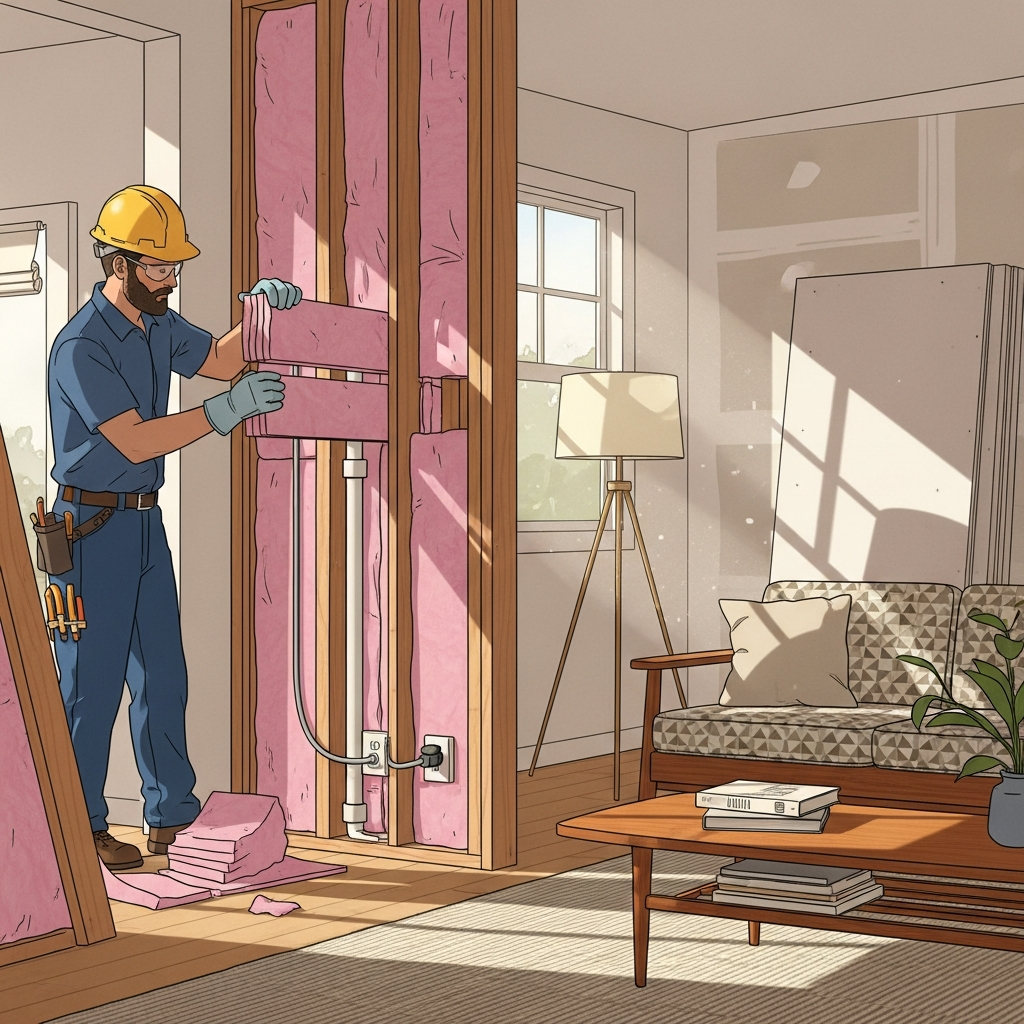
City life in Los Angeles has a soundtrack all its own: early-morning leaf blowers, bright afternoon traffic, the distant thrum of aircraft, and the spirited rhythm of neighborhood life. We love the energy, but there are moments when all you want is a quiet room where conversation is easy, sleep is deep, and creativity flows without distraction. That’s where wall insulation installation tailored for sound control makes an outsized difference. From Venice bungalows a block from the beach to contemporary homes above Laurel Canyon, strategic upgrades can calm interiors dramatically. If you’re just getting started, it helps to ground yourself in the basics of insulation installation so you can make smart choices for your walls and the way your rooms are used.
While Los Angeles doesn’t battle the prolonged freezes that drive insulation decisions in other regions, the same products that slow heat transfer also reduce noise. In fact, density, fit, and continuity matter as much for acoustics as they do for thermal performance. That’s why a local approach—one that respects our microclimates, building styles, and neighborhood sound profiles—produces the best results. Imagine a Sunset Strip condo where music wafts nightly from the boulevard, or a craftsman near a bustling school. The path to quiet combines material selection, careful installation, and attention to flanking paths that let sound sneak in even when walls are well insulated.
Understanding How Sound Travels Through Walls
Sound moves as vibration, traveling through air and solid materials. In a typical wall, energy can pass via the studs, through outlets and gaps, around window frames, and right through thin layers where coverage is incomplete. In older LA homes, lath-and-plaster walls sometimes help reduce noise thanks to their mass, but gaps, uninsulated cavities, and aging windows often negate that advantage. In newer construction with drywall, a lack of dense cavity fill can leave rooms echo-prone and overly connected to the outside world.
The physics matter less than the practical takeaway: a quieter room results from reducing both air leaks and solid connections that allow vibration to bridge. Think of the wall as a system. The insulation you choose, the way it’s fitted around wires and pipes, and the care taken at outlets and top/bottom plates all shape your final result. In a city where a peaceful home office or nursery can feel priceless, that attention to detail pays back every day.
Materials That Pull Double Duty: Thermal and Acoustic Benefits
For many LA projects, dense-pack cellulose and mineral wool are go-to options for wall cavities. Dense-pack cellulose flows into irregular bays, reducing voids and adding mass that helps absorb mid- and high-frequency noise. Mineral wool batts bring both density and resilience; they fit snugly, resist sagging, and handle the warm-dry summer conditions we see across the Basin. High-quality fiberglass batts, when properly installed without compression or gaps, can also contribute to a calmer space, though they typically benefit from complementary strategies to address lower-frequency sounds.
An effective solution often layers improvements. Properly sealed outlets, well-fitted insulation, and, where appropriate, resilient mounting or added drywall mass can all combine to make a meaningful difference. The right approach varies by room. A home theater in the Valley facing evening traffic has a different profile than a guest room in Mar Vista that only needs to temper occasional alley noise. A local installer will look at the whole picture and suggest a path that suits your daily life.
Dealing with Flanking Paths: The Hidden Highways of Noise
Even a perfectly insulated wall can underperform if sound simply routes around it. In LA’s eclectic housing stock, common flanking paths include shared floor or ceiling cavities, unsealed chases, and thin or hollow-core doors. Window assemblies and sliding doors deserve special attention; they often represent the largest opening in a wall. You don’t need to turn your home into a recording studio, but aligning modest upgrades across these elements dramatically improves overall serenity. When someone tells me wall insulation “didn’t work,” the culprit is usually a flanking route left unchecked.
Outlet and switch boxes are another weak link. Sealing the perimeter and addressing large gaps—where you can peer into the wall cavity—keeps both sound and drafts at bay. In older homes where plaster has cracked or separated, repairs that restore continuity add a surprising measure of calm. You’ll notice voices outside drop in intensity and the room’s own reverberation mellow.
Installation Nuances in Los Angeles Homes
Many LA walls hide a few surprises. You might open a cavity to find no insulation at all, a patchwork of prior attempts, or wiring and plumbing occupying much of the space. Rooms carved from porches or added in mid-century remodels can bring odd stud spacing and multiple layers of sheathing. That’s where the installer’s touch matters. Precision cuts around pipes, full-depth fills behind electrical lines, and attention to the corners keep the acoustic envelope tight. It’s not glamorous work, but it’s the craftsmanship that gives you the quiet you’re paying for.
In historic districts, preserving exterior character is paramount. Fortunately, many acoustic improvements occur inside the wall cavity or on the interior face, allowing you to maintain exterior stucco patterns, wood siding, and trim profiles. The result is a calm interior without sacrificing the curb appeal that drew you to the home in the first place.
Planning Rooms for Their Purpose
Before installation, think about how each room is used. A bedroom near a busy street may warrant denser cavity fills and tighter window assemblies. A home office might prioritize speech clarity, where reducing mid-frequency noise and room echo helps meetings and recordings shine. Living rooms near shared walls in duplexes or condo buildings often benefit from strategies that decouple surfaces or increase mass, layered atop reliable cavity insulation. In all cases, the installation is most successful when aligned with lifestyle rather than generic standards.
Midway through many projects, homeowners ask whether the wall insulation alone will do the trick. The honest answer: it usually makes a dramatic difference, but pairing it with a few targeted enhancements yields the quiet rooms people dream about. That might be heavier interior doors, modest window upgrades, or sealing a vent chase discovered during the work. For guidance grounded in the fundamentals of insulation installation, a walkthrough with a local pro can clarify the easiest wins for your specific layout.
Why Quiet Matters in a Los Angeles Context
Silence is more than the absence of noise; it’s the foundation of rest, focus, and health. In a city that buzzes from dawn to late night, a quiet room restores balance. It keeps bedrooms restful even when late-night revelers make their way home, and it turns a corner room into a studio where creativity thrives. The improved thermal performance is the bonus you feel during late-summer heat waves and cool winter mornings, when rooms stay steadier and systems don’t need to work as hard.
The After-Installation Difference
Within days, most homeowners notice a significant change. Conversations in the next room feel more private, outside traffic hums rather than intrudes, and the overall feel of the house is more composed. If you work from home, you may find yourself less distracted by passing delivery trucks or gardeners. If you’re caring for a newborn, you’ll appreciate that naps aren’t derailed by every sound from the street. This kind of everyday improvement underscores why well-executed wall insulation is a staple of LA renovations.
FAQ
Which insulation type is best for quieter rooms? Dense materials like mineral wool and dense-pack cellulose typically outperform lighter fills for acoustic control, especially when paired with careful air sealing and attention to outlets, windows, and doors.
Can I add insulation without opening the wall fully? In many cases, yes. Dense-pack techniques allow installers to access cavities through small holes, then patch and finish afterward. The feasibility depends on wall construction, finishes, and any hidden services.
How much quieter can I expect a room to be? Results vary with the starting point and extent of improvements. Most homes experience a notable reduction in everyday noise and a mellower room sound, with the best outcomes when flanking paths are addressed alongside the wall cavities.
Will wall insulation help with temperature control, too? Absolutely. The same continuous, well-fitted insulation that calms noise also curbs heat transfer, leading to steadier indoor temperatures throughout the seasons.
What else should I consider beyond insulation? Window and door assemblies, sealed outlets, and treating shared floor or ceiling cavities round out a comprehensive plan. A small number of targeted upgrades often multiplies the benefit of the wall insulation itself.
If you’re ready to reclaim peace in your home—whether for better sleep, focused work, or simply a more serene living room—start with a conversation about your walls, your windows, and how sound moves through your space. Schedule a local assessment, walk through options room by room, and put a plan in motion that respects your home’s style while transforming the way it feels day to day. When you’re prepared to take the next step, explore professional insulation installation and bring true quiet to the rooms that matter most.