
When you type “trusted insulation installation near me” from anywhere in Los Angeles, you’re really asking two questions: who will do the work right, and who understands the quirks of our city’s homes and microclimates? From airy Venice cottages tempered by ocean breezes to San Fernando Valley ranches that bake under summer sun, the difference between a decent job and a great one comes down to local insight and disciplined workmanship. If you’re early in your search, grounding yourself in the essentials of insulation installation helps you recognize the markers of quality when you meet with potential pros.
Los Angeles housing is wonderfully eclectic. We have 1920s bungalows with small attic hatches and knee walls, sleek infill homes with modern truss systems, and hillside properties with labyrinthine rooflines. The installer you hire needs to see these conditions not as obstacles but as the canvas for a thorough, tailored upgrade. Air sealing priorities shift house to house; soffit ventilation and baffle placement require different solutions depending on eaves and roof pitch; and even choices of material respond to how the home is actually lived in. Trust, here, is earned through a combination of listening and field-tested technique.
What “Trusted” Looks Like in Practice
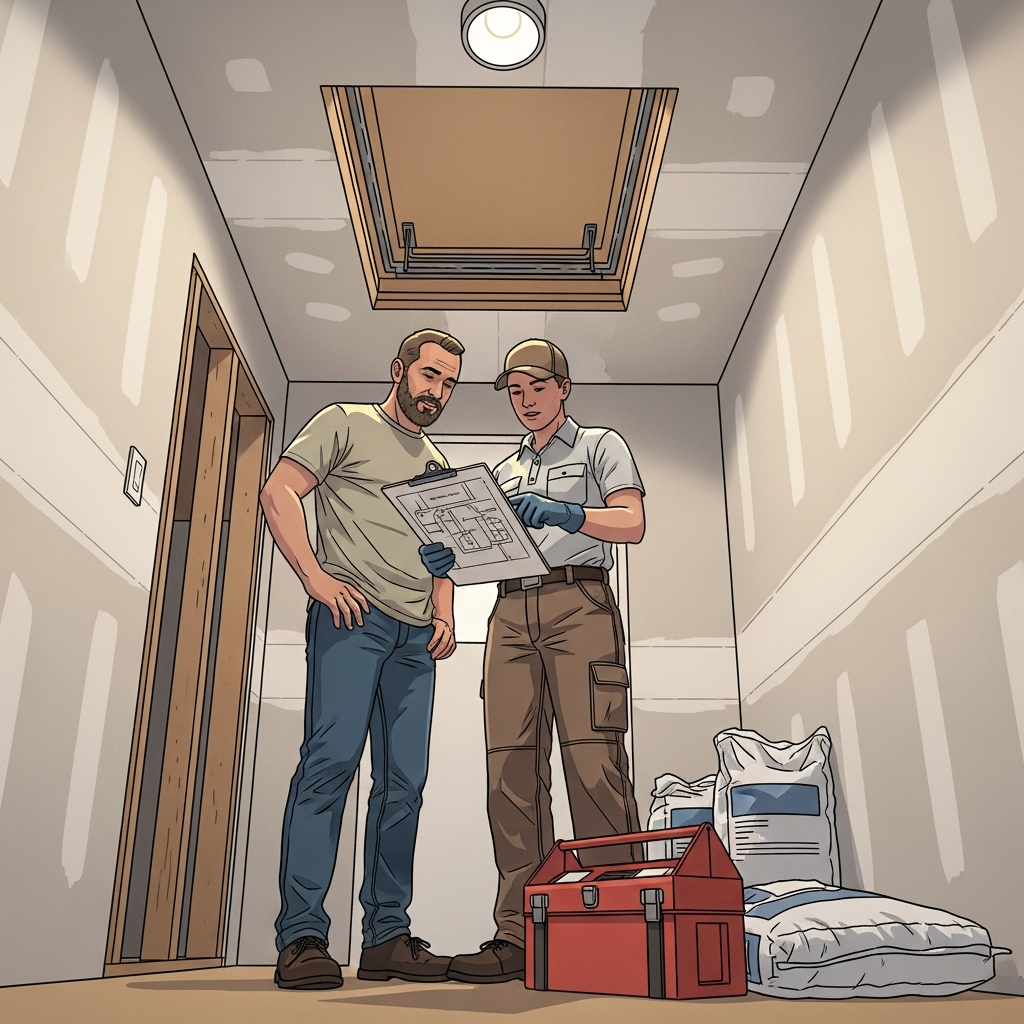
On day one, a reliable installer asks questions about comfort issues and how they show up—late afternoon heat in upstairs bedrooms, a too-cool living room, or background noise that disturbs sleep. They inspect access points, note electrical clearances, and look for evidence of air leaks at top plates, chases, and recessed lights. They talk about ventilation, not just R-values. In older neighborhoods like Eagle Rock or South Pasadena, they’ll anticipate plaster quirks and attic geometry that demand a careful touch. Rather than prescribing a generic solution, they build a plan around your home’s specifics.
Documentation is another hallmark of trust. Expect photos of the existing conditions, annotations that show where air sealing will happen, and clear descriptions of how soffit vents will remain open. Afterward, you should receive evidence of coverage depth and the steps taken to protect recessed fixtures and wiring. Good crews leave a tidy site and walk you through what was done, what was discovered, and how to keep the system performing over time.
Local Knowledge, Real Results
Los Angeles neighborhoods create their own climate stories. Coastal fog keeps mornings damp from Santa Monica to Manhattan Beach; inland heat soaks the Valley and the San Gabriel foothills; canyons funnel breezes across Silver Lake and Los Feliz. Each pattern influences how attics and walls behave. Installers with a track record across these environments understand why one house needs aggressive air sealing around chases while another benefits most from enhanced ventilation to preserve drying potential. That sensitivity to place turns an average job into a confident, long-lasting upgrade.
For wall insulation, a trusted team will also consider sound. Many Angelenos seek quieter bedrooms or home offices, and the products that keep heat out can also tame noise. Combining dense, well-fitted cavity fills with attention to outlets, windows, and doors yields rooms that feel calmer and more private. If acoustics matter to you, bring it up early so strategies can be integrated from the start.
Reading Proposals with a Discerning Eye
When proposals arrive, look for clarity around prep work. Will soiled or compacted material be removed? How will air leaks be handled? Are bath and kitchen fans vented outdoors? Are recessed lights and junction boxes protected according to best practices? Vague language on these points is a red flag. Strong proposals specify how access will be managed, what materials will be used and why, and how ventilation channels will be preserved. They also outline what you can expect on installation day, from floor protection to final cleanup.
Scheduling and communication matter, too. Crews that confirm arrival windows, coordinate parking on narrow streets, and respect HOA rules in condos or townhomes build trust before any hose is unspooled. They treat your home with care—covering walkways, sealing off work areas to minimize dust, and keeping you updated as the day progresses.
Quality You Can Feel
When installation is complete and the attic hatch closes, you should notice the difference quickly. Upstairs rooms that once overheated in late afternoon normalize, winter mornings lose their chill along the hallway, and outside noise softens. Your HVAC system cycles more predictably, and the home simply feels more composed. These are the tactile signs that a trusted team got the details right: even coverage, maintained ventilation, diligent air sealing, and respect for your home’s architecture.
Why Acting Now Makes Sense
Los Angeles homes work hard year-round. Heat waves tax cooling systems, cool nights near the coast ask heaters to take the edge off, and Santa Ana winds test the tightness of our envelopes. Insulation upgrades respond to all of these conditions, and when done carefully they set the stage for future improvements, from right-sized HVAC to window projects. Getting your attic or walls dialed in first lays a foundation you can build on for years.
FAQ
How do I vet an insulation installer locally? Ask about experience with your home’s era and roof type, request photos of past projects, and look for clear plans that emphasize air sealing, ventilation, and safety around electrical fixtures.
What should be included in a comprehensive proposal? Details on prep and cleanup, removal of compromised materials if present, measures to keep soffit vents open, treatment of recessed lights and wiring, and documentation of coverage depth are essential.
Can wall insulation help with noise as well as temperature? Yes. Dense, well-fitted cavity insulation helps reduce sound transfer, especially when paired with sealed outlets, quality windows and doors, and attention to shared floor or ceiling cavities.
Will installers need to enter multiple rooms? Often, yes. Access to attic hatches, certain closets, or rooms where outlets and chases are addressed is common. Professional crews protect surfaces and clean thoroughly afterward.
How soon will I notice a difference? Many homeowners feel improvements immediately—steadier temperatures, quieter interiors, and HVAC systems that run more predictably day to day.
If you’re searching for a team you can trust, start with a conversation focused on your home’s story: where it gets hot, where it feels drafty, and which rooms you want whisper-quiet. Invite a local professional to walk the space, explain options, and craft a plan grounded in experience, not guesswork. When you’re ready to take the next step, explore reputable insulation installation, schedule a visit, and put your Los Angeles home on the path to lasting comfort.