
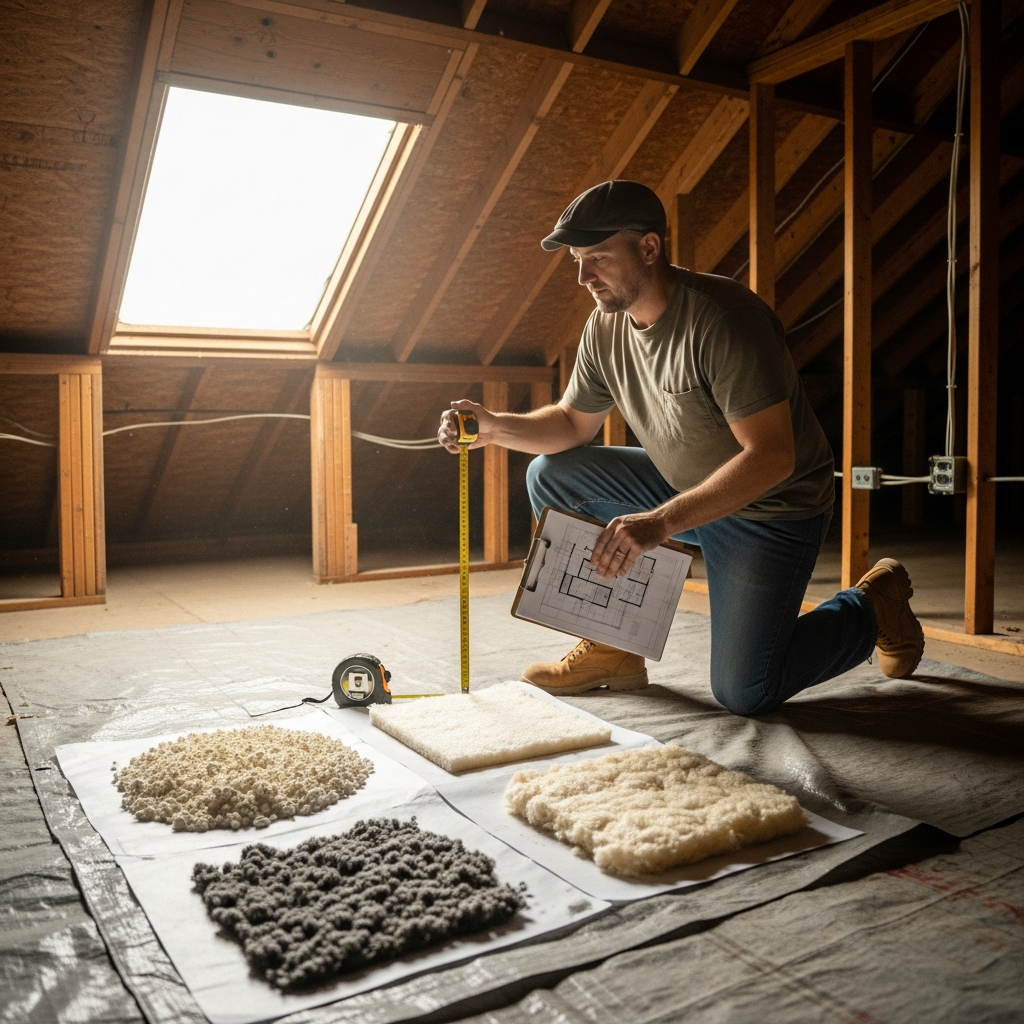
Talking about insulation in Los Angeles often starts with comfort—cooler afternoons during Valley heat and cozier mornings near the coast. Yet for many homeowners, the next thought is how to plan a smart project financially. In a city of diverse homes, from early-century bungalows in Highland Park to hillside properties in Mount Washington and contemporary builds in Playa Vista, the investment level for insulation varies with the home’s details. If you’re mapping out a project and want a firm sense of what shapes that investment, begin by understanding the core principles of insulation installation and how they apply to Los Angeles structures and microclimates.
It helps to think in systems. Insulation is part of a larger ensemble that includes air sealing, ventilation, ducts, and windows. Each element influences performance and, by extension, the project scope. Two similar houses in the same neighborhood can require different approaches because of attic access, existing materials, or prior remodels. By looking at the whole picture, you set realistic expectations for both comfort gains and the overall scale of the work.
Home and Attic Access
Access is one of the biggest drivers of project complexity in Los Angeles. Some attics are blessed with full-height walkways and open bays, while others rely on a tight hatch in a hallway closet. Low slopes, densely packed rafters, or intricate truss systems slow down installation. Knee-wall attics and clipped eaves, common in older homes and hillside builds, add time because technicians must maneuver hoses and equipment carefully to reach every corner. The easier the access, the more straightforward the work; the tighter the space, the more careful planning and time are needed to achieve even coverage.
In walls, access can vary from simple dense-pack techniques to scenarios that require selective opening to deal with obstacles or old framing irregularities. Condo and multi-family settings may also bring special coordination, including HOA rules and working hours, all of which shape project sequencing.
Existing Conditions and Prep Work
Los Angeles homes are storied—and so are their attics and walls. One of the first questions is whether old material should be removed. Soiled, compacted, or patchy insulation, rodent activity, or signs of moisture typically point toward removal and cleaning before new material goes in. Similarly, evidence of air leaks around recessed lights, chases, and top plates calls for targeted sealing. These steps ensure the new insulation performs to its promise and that you’re not trapping problems beneath a fresh layer.
Electrical conditions deserve special attention in older homes. Recessed lights that are not rated for contact with insulation, open junctions, or outdated wiring all need to be addressed beforehand. The same is true for bath and kitchen fans that vent into the attic rather than outdoors; redirecting that moisture preserves your new insulation and the roof assembly. Tackling these upstream tasks adds both safety and longevity to the project.
Material Selection and Performance Goals
Material choice depends on how the space is used and the home’s architecture. Blown-in cellulose or fiberglass typically suit attics with irregular framing, while mineral wool may be chosen for areas near mechanicals or when sound control matters. In certain cases, targeted spray foam at transitions can tame stubborn air leaks, complemented by blown material over the main field. The desired performance level—how steady you want temperatures, how quiet you want rooms—guides decisions about depth and density. Thoughtful pairing of materials with the space’s realities makes a noticeable difference in day-to-day comfort.
Beyond the basics, homeowners sometimes ask about radiant barriers or attic ventilation enhancements. Their value depends on roof type, sun exposure, and attic height. In hotter inland neighborhoods, reducing radiant heat at the roof deck can pay dividends, while coastal homes may see more benefit from consistent coverage and robust ventilation. The right choice comes from a clear picture of how your attic behaves through the seasons.
Project Scope and Sequencing
Another driver of the overall plan is scope. Are you insulating only the attic, or are walls and floors part of the conversation? Will duct sealing or minor air sealing be folded into the same visit? Pairing related improvements can deliver a stronger result because each element helps the others work better. For example, sizing future HVAC equipment is easier when attic insulation is set; window upgrades might be scheduled after walls are addressed so you can fine-tune comfort room by room. In a city where so many homes have evolved through layered remodels, a smart sequence reduces surprises and improves outcomes.
In condos or multifamily settings, coordination with neighbors and shared systems can shape the calendar. Weekend work, elevator scheduling, and parking for installation equipment are mundane but real influences on the path from plan to completion. Planning ahead keeps the project smooth for everyone involved.
Local Microclimate Considerations
From the San Fernando Valley to the South Bay, Los Angeles offers a masterclass in microclimates. In the Valley, deeper attic coverage and strategies to limit radiant gain are often priorities. Along the coast, balanced ventilation and moisture awareness matter, as fog and evening dampness affect the roof assembly and attic conditions. In the hills, complex rooflines and attic geometry often call for careful baffle placement and custom transitions. A local perspective that accounts for these nuances ensures your investment meets the realities of your neighborhood’s weather.
Noise is another factor. If you live near a busy corridor or under a flight path, materials and techniques that add acoustic mass can serve double duty. Wall and ceiling upgrades that reduce sound transfer may be included in the broader plan, especially for home offices, bedrooms, and nurseries.
Permitting, Inspections, and Standards
Depending on the scope of work, certain projects may involve permitting or verification by third-party raters, especially when tied to broader energy upgrades. While much retrofit insulation work proceeds without formal permits, local codes and homeowners’ associations sometimes have specific requirements. It pays to ask early so you can align documentation, schedule inspections if needed, and avoid delays. Installers familiar with Los Angeles jurisdictions will guide you through the process and help ensure that standards for coverage, clearances, and ventilation are fully met.
When the work touches on older wiring, potential lead paint in walls, or suspected asbestos in legacy materials, the project may involve additional specialists for testing or remediation. These steps are about safety and preserving the long-term health of the home. Factoring them into your timeline keeps the project on track and outcomes durable.
Quality of Installation
More than almost any other variable, the thoroughness of the installation itself shapes results. Even the best materials underperform if they’re compressed, gapped, or uneven. Conversely, an attentive crew that air seals diligently, maintains ventilation channels, and documents coverage depth delivers benefits you’ll feel immediately. Los Angeles has no shortage of talented tradespeople; choosing one that treats your attic or walls as a system is key to making the most of your investment.
Midway through research, homeowners often revisit the basics of insulation installation to confirm that the plan they’re hearing aligns with recognized best practices. That’s a wise move. A brief review can reveal whether air sealing is being prioritized, whether soffit vents will remain clear, and how recessed lights and electrical safety will be handled.
What to Expect After the Upgrade
Most households notice steadier temperatures, fewer drafts, and a quieter indoor environment. AC cycles can become less frequent during late-afternoon heat, and morning chill softens across rooms that once felt uneven. While insulation isn’t a silver bullet—windows, ducts, and doors still matter—it forms the backbone of a home that behaves predictably through the seasons. When the attic or walls are dialed in first, follow-on improvements stack more neatly and often require less rework.
FAQ
What shapes the overall investment for insulation work in Los Angeles? Access, existing conditions, material choices, and whether related tasks like air sealing, duct work, or minor electrical updates are included all influence the scale of the project. Homes in different microclimates or with complex rooflines may require tailored approaches that shape the timeline and scope.
Do I need to remove old insulation before adding more? If the existing material is clean, dry, and uniformly distributed, topping up might be feasible. However, many older attics benefit from removal when there’s contamination, patchiness, or evidence of pests. Starting fresh with air sealing yields more predictable results.
How do microclimates affect planning? Inland areas that run hotter emphasize strategies to reduce radiant gain and deepen coverage, while coastal zones benefit from ventilation that manages moisture and maintains drying potential for the roof assembly.
Is wall insulation worth considering at the same time? Often yes. If rooms feel noisy or uneven in temperature, adding wall insulation as part of a phased plan can elevate overall comfort, particularly in bedrooms, home offices, and media rooms.
What signals that an installer prioritizes quality? Clear communication about air sealing, ventilation, electrical safety, and documentation of coverage depth are hallmarks of a quality-first approach. Photos, measured results, and a tidy site at day’s end speak volumes.
When you’re ready to move from planning to action, set up a home assessment and talk through access, materials, sequencing, and any preparatory steps unique to your property. A thoughtful plan ensures that the work aligns with your goals and your home’s character. To connect with local experts who can translate these principles into a smooth, effective project, explore professional insulation installation and take the first step toward a steadier, more comfortable Los Angeles home.