
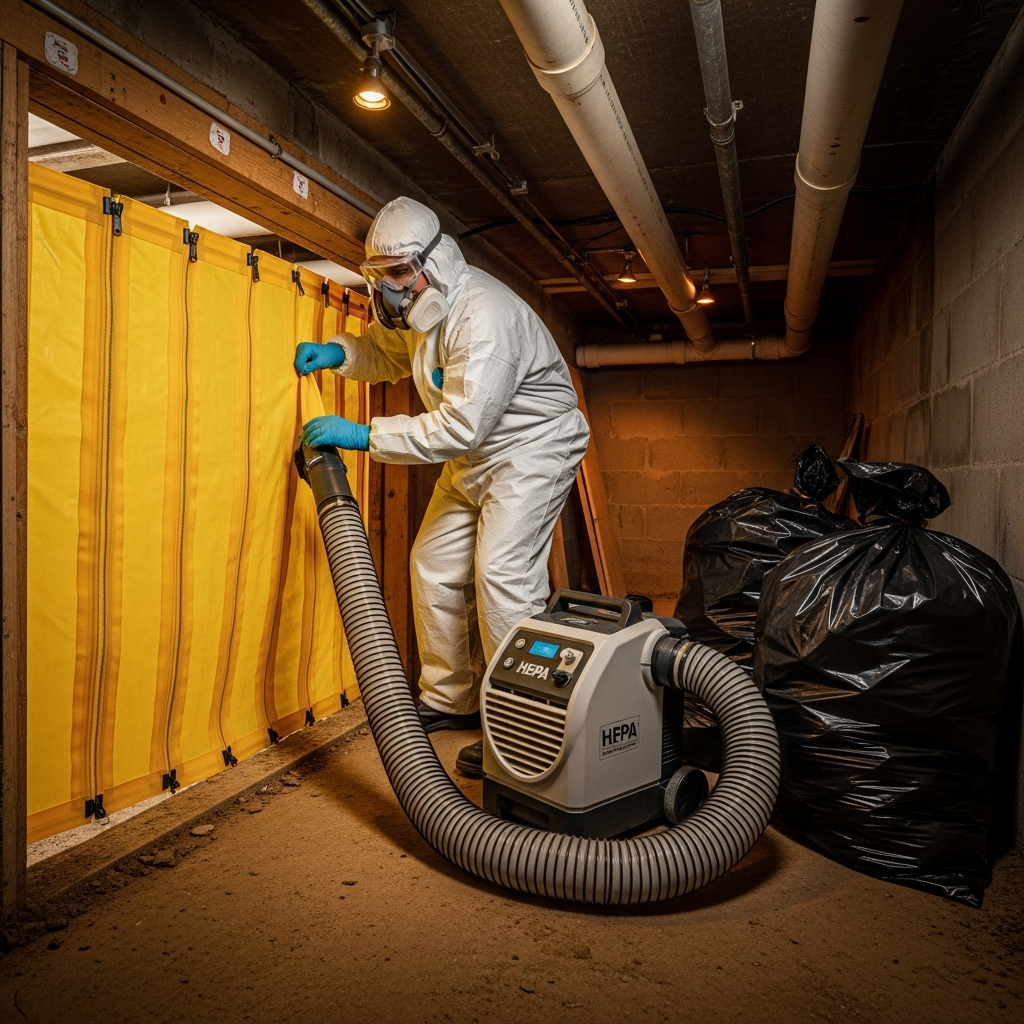
Safety is the first promise a professional team makes when stepping into a Los Angeles property for rodent sanitation. The commitment shows in small choices: the way technicians stage tools before crossing a threshold, the precision of their containment lines, the calm pace that signals method over haste. In a city of old bungalows, mid-century homes, industrial lofts, and mixed-use buildings, that promise is essential. Rodent sanitation is not merely cleaning; it is biohazard management conducted in spaces where families live, staff work, and customers visit. The best results come from protocols that anticipate risks, protect shared air, and document every step so owners, managers, and inspectors have confidence. If you are evaluating providers, begin by asking how they align their methods with recognized safety standards and how their team verifies each phase of rodent sanitation from setup through disposal.
Los Angeles presents specific safety challenges: varied building ages, microclimates that influence odor and dry-down, and the prevalence of central air systems routed through attics. In older structures, finishes can be fragile, and access is often tight. In commercial buildings, logistics and occupant flow complicate containment. The safest companies account for these conditions at the assessment stage and translate them into concrete controls. The more thoughtfully a provider plans, the less drama there is onsite and the stronger the protection for people and property.
Personal Protective Equipment As Baseline
Every safe sanitation effort begins with appropriate PPE. Technicians should wear respiratory protection suited to the task, along with gloves, protective suits, and eye protection when needed. This is not just about worker safety; it reduces the chance of carrying contaminants from a work zone into clean areas. Crews stage donning and doffing points at containment edges, and used PPE is bagged and removed with the same care as other debris. Observing a team’s PPE discipline is a quick way to gauge their overall safety culture.
PPE choices adapt to heat and humidity. On hot Valley days, crews plan hydration breaks and rotate tasks to prevent fatigue without compromising protection. In coastal zones where humidity increases comfort challenges, material choices and work pacing keep the team safe and precise.
Containment, Negative Air, And Airflow Control
Containment is the boundary between a problem and the rest of your life. Effective setups use zipper barriers, sealed floor runners, and, where necessary, negative-air machines to keep air flowing from clean areas toward the work zone, never the reverse. Registers and returns are protected, and HVAC is paused or adjusted to prevent migration of particulates. Supplemental HEPA filtration can run during and after active work to capture any aerosols released during agitation or removal of contaminated materials.
Airflow control is especially critical in multifamily buildings and offices where shared systems can carry residues into adjacent suites. The safest teams coordinate with building engineers, understand the duct layout, and set up zones that respect how air actually moves through the property.
Disinfectant Selection And Dwell Time Discipline
Disinfectants are tools that only work when used as designed. Safe sanitation protocols specify EPA-registered products suited to the surfaces and the likely pathogens associated with rodent activity. Just as important are dwell times and coverage: too little contact time and the chemistry cannot do its job; too much and surfaces may be affected or residues may linger. Technicians apply solutions methodically, track timing, and follow with removal or ventilation procedures appropriate to the space. This attention protects materials while delivering true sanitation rather than a superficial pass.
Where electronics, food-contact-adjacent areas, or delicate finishes are present, application methods adapt. Wiping replaces misting in sensitive zones; masking and shielding protect equipment; and communication with owners ensures alignment on product use and reentry timing.
HEPA Filtration And Dust Capture
Rodent residues can aerosolize with movement. HEPA vacuums capture fine particulates that ordinary devices would simply redistribute. Sealed housings, genuine HEPA filters, and proper nozzle selection are part of the craft. Between passes, filters are checked, and waste is contained immediately in sealed bags. On larger jobs, portable air scrubbers with HEPA capture keep background particulates low throughout the project. These controls are invisible when done right; what you notice is a lack of dust and a crispness to the air as work proceeds.
Dust control extends to the route from work zone to exit. Teams choose paths that minimize disturbance, line them with protection, and avoid moving debris through occupied areas whenever possible. Small choices prevent big messes.
Waste Handling And Disposal
Safety includes what you do after the cleaning. Contaminated insulation, nesting materials, and used PPE are bagged, sealed, and transported according to local rules. Vehicles are staged to receive waste without parking chaos, and loads are secured to prevent tears or spills. Documentation of disposal is maintained with the job file, reinforcing a chain of custody and accountability that serves owners, managers, and inspectors alike.
On mixed-use sites, waste routing is planned to avoid customer or resident areas. Scheduling removal for quieter times reduces attention and keeps the process as discreet as it is safe.
Structural And Electrical Awareness
The safest teams act like careful guests in your building. They respect finishes, avoid overloading joists or damaging plaster keys, and watch for wiring or plumbing that surfaces in unexpected places—common in older Los Angeles homes with layered renovations. Before moving equipment, technicians confirm clearances. When sanitation takes place near electrical panels or low-hanging lines in crawlspaces, coordination with qualified trades ensures safety. If a condition is discovered that introduces risk—exposed conductors, damaged plumbing—the work pauses until it is made safe.
This diligence protects both people and property and avoids compounding the original issue with preventable mishaps.
Communication Protocols And Occupant Safety
Communication is a safety tool. Before work begins, teams brief occupants on which areas are off-limits and when. Clear signage on containment helps family members or staff navigate safely. In commercial settings, coordination with security and facilities keeps access smooth and minimizes unintended entry into active zones. During work, updates are concise and timed to checkpoints: completion of removal, disinfectant dwell, ventilation, and final inspection.
For residences with children or pets, special attention goes to timing door openings and securing contained areas during transitions. A calm, predictable cadence eases stress and keeps everyone safe.
Training, Supervision, And Verification
Behind every protocol is a person trained to execute it. Companies committed to safety invest in ongoing training and field supervision. New technicians shadow experienced leads; crews hold tailgate safety meetings; and supervisors verify that disinfectants are mixed and applied per label, that containment integrity holds, and that PPE stays consistent through the shift. This culture of verification is why results are reproducible and why you can trust the outcome across different properties and conditions.
Verification extends to the finish. A final walkthrough checks odor, surfaces, sealed access points, and the condition of return-air paths. Documentation summarizes findings, steps taken, and any recommendations for follow-up. Safety is not a box to check; it is the arc of the entire project from hello to handoff.
Local Realities: Microclimates, Wildlife Corridors, And Building Typologies
Los Angeles is a mosaic of microclimates and building styles, and safety protocols flex accordingly. In coastal zones, humidity affects dwell times and dry-down. In the Valley, heat demands hydration planning and pace control for crews in PPE. In canyon neighborhoods, wildlife corridors increase exterior pressure, which influences exclusion lines and the attention given to deck undersides or stilted sections. In downtown lofts or adaptive reuse buildings, concealed chases and layered mechanical systems require extra mapping before sanitation begins.
The more a team understands the city’s nuances, the safer and steadier their performance in your specific home or business.
Mid-Project Adjustments Without Compromise
Discoveries are part of the job. When a hidden void or unexpected contamination appears, the safest teams do not improvise recklessly. They pause, reassess containment, update the sequence, and adjust staffing or time allocations. In that reflective moment, it is worth recalling that certified rodent sanitation is defined by adaptability within disciplined bounds—flexible to conditions, firm on safety.
Owners and managers appreciate this transparency because it prevents rushed decisions and maintains a high bar through the inevitable surprises of real-world work.
Post-Sanitation Guidance
Safety continues after the crew departs. Providers leave practical guidance: when to resume HVAC, how long to ventilate, what to watch for in sealed zones, and which small habit changes will keep the environment stable. They encourage questions and remain reachable, acknowledging that peace of mind is part of the service. In many cases, a quick follow-up check reinforces that everything is holding and that occupants are comfortable with the space again.
Good aftercare transforms a successful project into a durable one. Occupants feel oriented and empowered rather than left to guess their way through the aftermath.
Frequently Asked Questions
Is it safe to remain onsite during sanitation?
Often yes, particularly when containment isolates work zones and airflow is controlled. Your provider will outline any brief intervals when stepping out is advisable, such as during insulation removal or when strong disinfectant odors are airing out.
How do you prevent cross-contamination through the HVAC system?
Returns and registers near the work zone are protected, nearby air handlers may be paused, and supplemental HEPA filtration can be used. Containment maintains directional airflow so that particulates do not migrate into occupied areas.
What products are used, and are they safe?
EPA-registered disinfectants suitable for the surfaces and likely pathogens are selected. Application follows labeled dwell times and is paired with ventilation so spaces are ready for safe reentry as quickly as possible.
How is contaminated debris handled?
Droppings, saturated insulation, and used PPE are bagged, sealed, and transported according to local rules. Careful routing avoids occupied areas, and documentation can be provided with the job file.
What if new contamination is discovered mid-project?
The team pauses to reassess containment and sequence, communicates the findings, and proceeds with adjusted steps that keep safety at the forefront. Flexibility within protocol keeps outcomes reliable.
Choose Safety First
If you want a team that treats safety as the plan rather than an afterthought, look for methodical preparation, calm execution, and clear documentation. For disciplined, standards-driven rodent sanitation throughout Los Angeles, schedule a professional assessment and move forward with confidence that your people and property are protected.