
Choosing the Right Air Duct Repair Partner in Los Angeles
Los Angeles homes put ductwork through a lot—scorching attics, cool marine layers, dry Santa Ana winds, and the occasional jolt that loosens old joints. Selecting a reliable company to repair and seal your ducts isn’t about a catchy slogan; it’s about trust earned through clear diagnostics, careful craftsmanship, and respectful service. From classic bungalows to modern builds perched in the hills, the right partner will explain what they see, what they recommend, and how they’ll verify that the work performed actually improves comfort and system performance. If you are just beginning this search, consider starting with a conversation with a local specialist in air duct repair who can outline how a well-run process should feel.
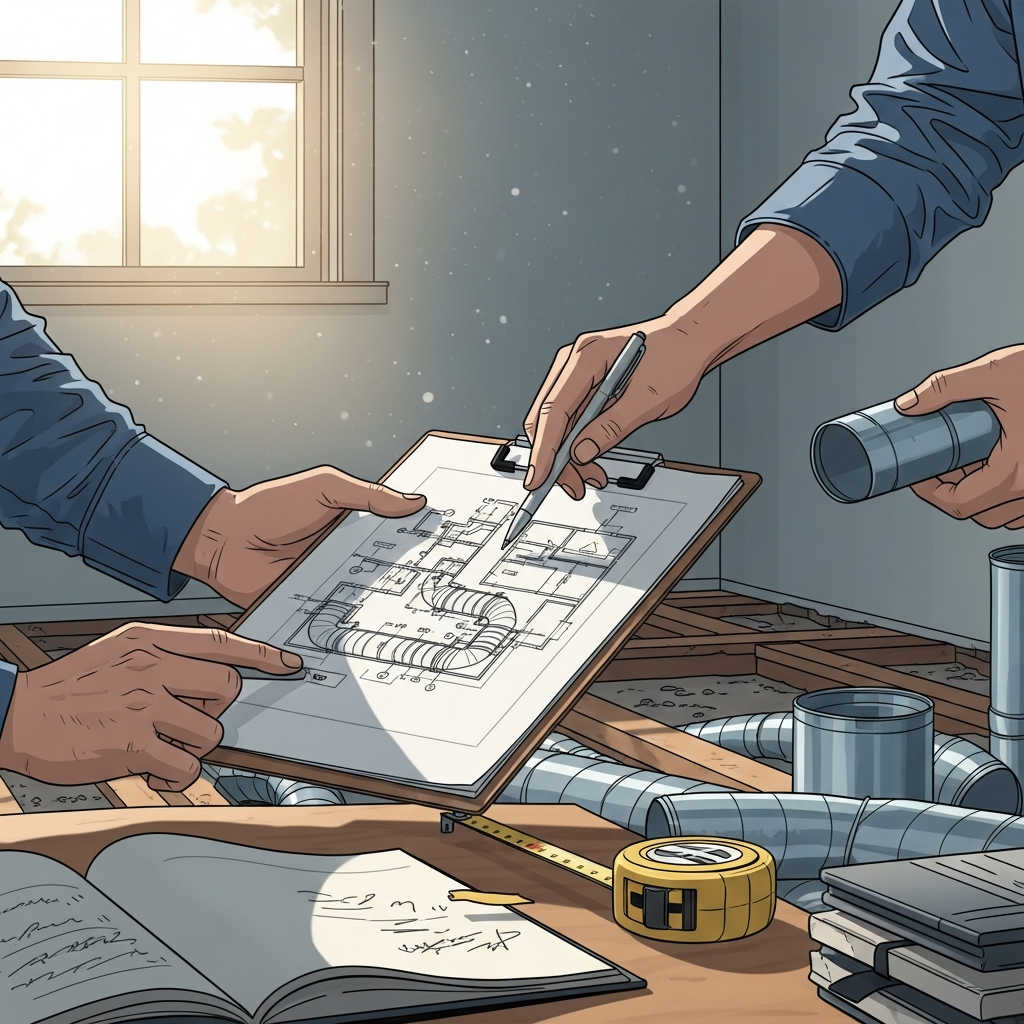
A trustworthy company listens before proposing solutions. Technicians should ask about your experience in the home—where temperatures lag, when the system seems to struggle, and what changes you’ve noticed over time. They will then pair that lived knowledge with measurements: static pressure at the equipment, temperature differences between supply and return, and a visual map of the duct layout. This mix of data and observation forms the backbone of a plan that makes sense for your house rather than a generic checklist.
What a Solid Evaluation Looks Like
Expect a methodical approach. Good evaluators move slowly through attics and crawlspaces, documenting connections, supports, and insulation conditions. They look for failed sealants, crushed flex runs, leaky boots, and returns that pull from unconditioned spaces. Photos and simple notes make the unseen visible and build confidence that recommendations are grounded in reality. When a company can show you the exact elbow that’s whistling or the return chase that’s open to the attic, you’re no longer guessing—you’re deciding based on evidence.
Communication should remain clear throughout. If the assessment reveals something unexpected—a deteriorated plenum, a hidden chase, or legacy work that doesn’t meet today’s standards—the technician should explain options and implications. Reliable companies don’t upsell for the sake of it; they tailor solutions, emphasizing the steps that will actually move the needle on comfort and performance.
Craftsmanship You Can Count On
Air duct repair is hands-on work, and details matter. Look for companies that emphasize surface preparation before sealing, use quality mastics and UL-181 listed tapes appropriately, and rely on mechanical fastening to prevent future movement. Duct supports should be spaced and sized to protect the duct jacket, with gentle sweeps instead of sharp kinks. Transitions should be snug, with screws securing metal-to-metal connections before sealants are applied. These are the quiet markers of crews that take pride in work you may never see but will definitely feel.
In Los Angeles, climate-aware choices extend longevity. Materials must withstand attic heat and seasonal shifts. Teams should plan the workday around temperature peaks to keep the job safe and effective. Attention to the return side—often the source of dust and odors when leaky—demonstrates a whole-system mindset instead of a patchwork approach.
Evidence of Results
You deserve verification. Before-and-after photos, measurement snapshots, and a simple explanation of how airflow and pressures changed help ensure the outcome matches the promise. If the estimate mentions balancing rooms or reducing leakage, ask how success will be measured. Reputable companies welcome those questions because they anchor the relationship in transparency.
Strong local providers of Los Angeles air duct repair also tend to offer follow-up support. If the system experiences a heat wave or you complete a renovation, they can check that ducts remain sealed and supported, and fine-tune if needed. That continuity matters because homes evolve and small adjustments over time keep performance on track.
Professionalism Beyond the Tools
Reliability is as much about how a company treats your home as how they handle materials. Crews should arrive on time within a clearly communicated window, lay down protective coverings, and keep work areas tidy. They should explain the day’s plan, update you if conditions change, and leave spaces as they found them. Documentation—including a brief summary of tasks, materials used, and any diagrams of rerouted sections—belongs to you for future reference.
Insurance, licensing, and safety protocols may not be glamorous, but they are the bedrock of a trustworthy operation. Don’t hesitate to ask how technicians are trained to work in attics and crawlspaces, what protective measures they use, and how they manage dust and debris. Clear answers signal a company that values people and property in equal measure.
Fitting Solutions to Your Home’s Story
Los Angeles homes come with histories—phased remodels, creative conversions, and architectural quirks. Rather than forcing a system to behave like a textbook diagram, skilled companies read the home’s story and plan within it. That may mean small section replacements in the right spots, a measured reconfiguration of a return, or an access strategy that spares finished plaster. The end goal is always the same: a duct network that delivers air quietly, evenly, and cleanly, without compromising the character of the house.
If you’re comparing companies, listen for how they talk about sequence. Smart sequencing prevents one task from undoing another. For example, sealing and supporting ducts before topping up attic insulation protects both investments. This mindset reflects experience and respect for the whole home.
Questions to Ask Yourself After Each Visit
Did the technician explain what they measured and why it matters? Did they show photos that connect directly to their recommendations? Do you understand how the proposed work will be verified? Are you confident that the plan addresses your comfort concerns rather than just treating symptoms? The answers to these questions help separate polished sales talk from genuine expertise.
It also pays to notice how a company handles your timeline. A reliable partner sets realistic dates, communicates proactively, and honors commitments. When crews respect your schedule and your space, you can expect the same respect in the craftsmanship behind the walls and above the ceilings.
Frequently Asked Questions
How do I know if a company is focused on my home’s needs rather than a one-size-fits-all package? Look for assessments that combine measurements with photos and homeowner feedback. Tailored plans reference your specific rooms, ducts, and constraints rather than generic line items.
What should be included in an estimate? A clear scope of work, the methods and materials to be used, notes on access and dust control, and how the results will be verified. Good estimates read like a roadmap rather than a mystery.
Will repairs disrupt my day? Professional crews minimize disruption with protective coverings, clear sequencing, and on-time communication. Short equipment shutdowns for testing are planned around your routine to keep the home livable.
Is follow-up important? Yes. Homes change, seasons test systems, and small tweaks can preserve performance. Reliable companies welcome follow-up because it closes the loop on quality.
Can I expect noticeable comfort improvements? When the plan addresses the root causes—leaks, poor supports, return-side issues—most homeowners notice steadier temperatures and quieter operation within days.
Ready to Partner with a Team You Can Trust?
If you want clarity, craftsmanship, and a home that feels consistently comfortable, start with a company that leads with diagnostics and follows through with verification. Ask good questions, request photos, and choose the people who respect your house as much as you do. When you are ready to take the next step, schedule a visit with specialists in professional air duct repair and experience how the right partner makes all the difference.