
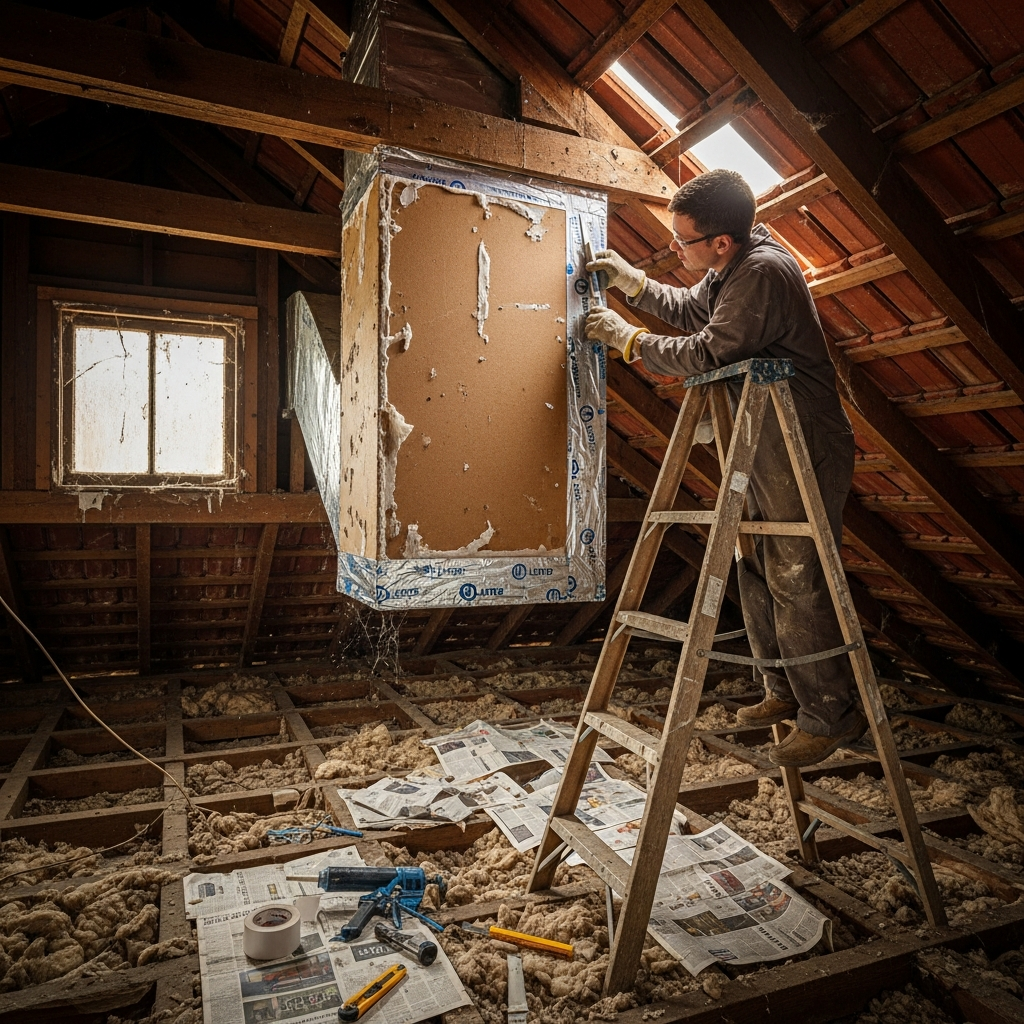
Respecting the Character of Older Los Angeles Homes While Restoring Duct Performance
Los Angeles has a deep catalog of older homes—1920s Spanish revivals with thick plaster, midcentury ranches with low-slung attics, and early craftsman bungalows with crawlspaces that tell stories of past renovations. These houses have character to spare, but behind the arches and built-ins, their duct systems often reflect decades of incremental change. A new furnace installed here, a patched return there, a flexible run added when a room became an office—all of it adds up. Air duct sealing and repair for older homes isn’t just a technical task; it’s a careful blend of preservation, performance, and respect for materials. For homeowners beginning this journey, a conversation with a team that focuses on thoughtful air duct repair can clarify what’s possible without compromising the home’s soul.
In mature houses, ducts can be routed through chases that were never designed for them, or tucked into eaves where space is scarce. Connections that once held firm may have loosened as adhesives aged and structures settled through seasons and seismic nudges. Returns are especially vulnerable in older layouts, drawing attic or crawlspace air through unsealed pathways that were improvised long ago. A targeted sealing and repair plan addresses these realities by blending traditional craft with modern materials that tolerate our climate’s temperature swings and dust.
Starting with a Gentle, Informed Assessment
The first step is a calm, respectful assessment. Technicians take their time to understand how the system evolved, documenting materials, connection types, and the path air takes from the equipment to the far corners of the home. They tread lightly in attics where plaster keys hang below joists, and they map out crawlspaces where access might be tight. Instead of assuming one method fits all, they note where mastics will adhere well, where mechanical fasteners are essential, and where a small section replacement will prevent years of future trouble.
Measurements support the eye. Static pressure readings show if the system is working too hard. Temperature checks at supplies and returns confirm whether the equipment is doing its job and the duct network is delivering what it should. Room-by-room observations round out the picture, because older homes often have additions or enclosed porches that behave differently than original spaces. The goal is to tie performance data to a plan that preserves finishes and protects the home’s structure.
Sealing That Lasts Without Overstepping
Older surfaces require sealing methods that are durable yet gentle. Properly prepared mastics form a flexible skin over seams and joints, resisting attic heat and minor movement. UL-181 listed tapes, used sparingly and correctly, can reinforce certain transitions. Mechanical fastening—screws at joints and sturdy hangers—prevents sagging and separation. In crawlspaces, supports spaced to industry standards keep flexible ducts from pinching and help maintain clean airflow. Every choice is made with an eye toward longevity and respect for the original construction.
Return pathways are a special focus. Many older homes rely on chases or cavities that were never sealed at the edges, allowing attic or crawlspace air to be drawn in. By isolating these cavities and sealing the transitions around grilles and plenums, technicians stop the unintended mixing of dusty, unconditioned air with the air you breathe. The change is often immediate and noticeable, both in comfort and in the way the home smells and feels on warm days.
Working Around Historic Finishes
Part of the craft is avoiding unnecessary disturbance to plaster, built-ins, and original trim. When access must be created, it is chosen and executed with care: small, neat openings in utility areas, reversible changes, and a cleanup standard that leaves no trace. In some cases, technicians can reach problem joints from the attic or crawlspace alone, sparing finished surfaces entirely. If a decorative grille needs to be preserved, the repair plan will include a strategy to keep it in place while ensuring the connection behind it is airtight and secure.
Where older materials, like fiberboard plenums or early-generation flexible ducts, show their age, replacement of a short section can be the gentlest long-term fix. Swapping a failing plenum for a well-sealed modern equivalent often quiets the system and restores predictable airflow, all while keeping the rest of the network intact. The key is to intervene just enough to solve the problem without rewriting the home’s story.
Balancing Airflow in Additions and Converted Spaces
Many Los Angeles homes gained square footage over the years—garage conversions, enclosed patios, or bedrooms over former carports. These spaces frequently lag in comfort because the original duct system wasn’t designed for them. Sealing alone may not correct the imbalance if the run is too long, too small, or too kinked. A thoughtful plan might pair sealing with a revised takeoff, a smoother path, or an added return pathway so that the system can breathe naturally. The result is steadier temperatures and a sense that the home is once again moving air as one.
Balancing is as much art as science in older structures. The technician listens to the homeowners’ lived experience—where mornings feel chilly, where afternoons run warm—and then uses that feedback to fine-tune delivery. Small adjustments at dampers, strategic support changes to ease kinks, and targeted sealing together bring rooms into alignment without intrusive remodeling.
Climate Resilience for Vintage Ducts
Attic heat, coastal influence, and seasonal winds all leave their mark on ducts that have been in place for decades. Adhesives dry, tapes fatigue, and insulation shifts. Repair work that anticipates these forces lasts longer. That means mastics that remain flexible, hangers that don’t cut into jackets, and transitions that are mechanically locked before they are sealed. In canyons or areas that see wildfire smoke, attention to the return side becomes especially important, because an airtight return helps keep particulates from entering living spaces during tough air days.
Even minor seismic activity can nudge old joints. By using screws at connections and rigid supports in key locations, a repair today is better positioned to ride out tomorrow’s tremors. The aim is not just to fix visible leaks but to shore up the network so that it stays quiet and reliable for the long haul.
Documentation and Gentle Follow-Through
Transparency matters when working in older homes. Before-and-after photos help homeowners see where changes were made without opening walls, and simple diagrams note any section replacements or reroutes. If the work intersects with other planned projects—insulation upgrades, electrical updates, or minor remodels—coordination prevents one trade from undoing another’s efforts. A team well-versed in Los Angeles air duct repair will speak the language of collaboration so your home benefits from each improvement in the right order.
After the repair, maintenance is light but meaningful. Filter changes at recommended intervals keep the return side healthy. A quick peek in the attic after a heat wave or a windy week can catch insulation that’s shifted over ducts. If you notice a room changing behavior, a swift check-in can verify that supports and seals remain as intended.
Frequently Asked Questions
Will sealing and repair change the look of my home? The work is focused on hidden areas—attics, crawlspaces, and behind grilles—so visible changes are rare. When access is needed, it is planned in the least intrusive locations and finished neatly.
Is it safe to work around older materials? Trained teams take precautions in older homes, handling insulation and aging ducts carefully, and choosing methods that respect the structure. If conditions suggest specialized handling is needed, your technician will discuss options and sequencing.
Can sealing alone fix uneven rooms in an addition? Sometimes, but not always. Sealing improves delivery by preventing leaks, yet additions may also need revised routing, supports, or return adjustments to balance airflow. A thorough assessment will identify the right combination.
How long will the improvements last? With quality materials, proper surface prep, and mechanical fastening, repairs are designed to withstand attic heat and seasonal movement for years. Periodic visual checks help ensure everything remains in place.
Will my system be quieter? Many homeowners notice quieter operation after sealing and support upgrades because air no longer whistles at gaps, and vibrations at loose joints are dampened.
Do I need to be home during the work? It’s helpful for the initial walkthrough and final review, but crews can work independently once access is arranged. You’ll receive updates and photos so you can follow progress.
Bring Your Classic Home Back into Balance
If your Los Angeles original has been feeling a little off—hot in one wing, dusty after windy days, or just not as steady as it once was—there’s a path forward that honors what you love while modernizing what you can’t see. Start with a calm assessment, ask for a plan that preserves finishes, and expect clear communication along the way. When you’re ready, book a visit with a local team that specializes in professional air duct repair and enjoy the quiet satisfaction of a vintage home that breathes like new.