
Signs Your Camarillo Home Needs Attic Insulation Removal
Attic insulation that has passed its useful life does not just stop working quietly. Across Camarillo and the broader Ventura County corridor, aging or compromised insulation actively works against the home, driving up utility costs, letting conditioned air escape, and sometimes harboring moisture or pests. The seven questions below walk through the most reliable warning signs so you can decide whether removal is the right next step.
Why does my energy bill keep climbing even though nothing has changed?
Insulation is the primary thermal barrier between your living space and the heat that radiates off a Camarillo roof on a warm afternoon. When the material compresses, absorbs moisture, or simply degrades over time, its R-value drops. A lower R-value means your HVAC system runs longer cycles to maintain the same temperature. If you have ruled out a failing appliance or a rate increase from your utility provider and the bills are still rising, the attic is a logical place to look. Compressed or degraded insulation cannot be “fluffed back up”, it needs to be removed and replaced to restore the thermal performance your home was designed to have. Our complete guide to attic insulation removal covers how that process works from start to finish.
What does uneven room temperature tell me about my insulation?
Walk through your home on a warm Camarillo afternoon and pay attention to which rooms feel noticeably hotter or stuffier than others. Rooms directly below the attic floor are the most vulnerable. Patchy or missing insulation creates thermal bridges, allowing heat to transfer unevenly into different zones of the house. If one bedroom consistently runs several degrees warmer than the hallway despite the same HVAC vents, the insulation above it may have shifted, settled into gaps, or been disturbed by a previous pest intrusion or repair. Uneven comfort is one of the earliest and most consistent signals that the attic insulation layer is no longer intact.
Should I be concerned about a musty or unusual odor coming from my vents?
If you want it handled correctly the first time, consider professional attic insulation in Malibu.
Odors traveling through the duct system often originate in the attic. Fiberglass batts and blown-in cellulose can both absorb moisture over time, and damp insulation creates conditions where mold and mildew can develop. In Camarillo, the marine influence from the Pacific means coastal moisture events are not uncommon, particularly in late fall and winter. A musty smell that intensifies when the HVAC fan kicks on suggests that air is being drawn across contaminated material before reaching your living space. This is a situation where removal is usually the only effective remedy, because spot-treating insulation that has absorbed moisture rarely resolves the underlying problem.
What are the signs that pests have damaged my attic insulation?
Rodents are drawn to attic spaces for warmth and nesting material, and blown-in insulation is particularly appealing for tunneling and nesting. Signs of pest activity include scratching or scurrying sounds in the ceiling at night, visible droppings near attic access panels, or insulation that appears matted, tunneled, or displaced when you peek into the space. Rodent urine and feces saturate insulation fibers and cannot be cleaned out effectively. Contaminated material poses a hygiene concern and should be removed completely before new insulation is installed. If you are dealing with active or past rodent activity, see whether DIY or professional removal makes sense for your specific situation, because contaminated material requires careful handling and proper disposal.
How do Camarillo’s older homes factor into the need for insulation removal?
A meaningful share of Camarillo’s residential housing stock was built during the rapid growth periods of the 1970s and 1980s, when insulation standards were considerably lower than current California Title 24 requirements. Homes from that era were often insulated with materials that have now exceeded their practical service life. Some properties built before the mid-1980s may also contain vermiculite insulation, which warrants professional evaluation before any disturbance. Beyond material age, the Ventura County climate presents a specific challenge: warm, dry summers alternate with cooler, sometimes foggy winters, and attic spaces in this region can experience significant temperature swings that accelerate the breakdown of older insulation materials. If your home predates 1990 and the insulation has never been replaced, age alone is a reasonable trigger for a professional assessment.
Many Malibu homeowners rely on expert attic insulation in Malibu for exactly this.
Is visible water damage or discoloration in the attic a serious warning sign?
Water stains on attic sheathing, discolored insulation, or visible wet spots after a rain event all indicate that moisture has entered the attic envelope. Insulation that has been wet, even once, loses a significant portion of its R-value and rarely dries completely when compressed between joists or against a roof deck. Repeated wetting accelerates mold growth and can cause wood rot in the structural members above. If you notice any water intrusion evidence during a visual inspection, the insulation in the affected area should be removed so the sheathing and framing can dry and be inspected. Leaving wet insulation in place traps moisture against wood and prolongs the damage window.
What does it mean when I can see my attic floor joists clearly?
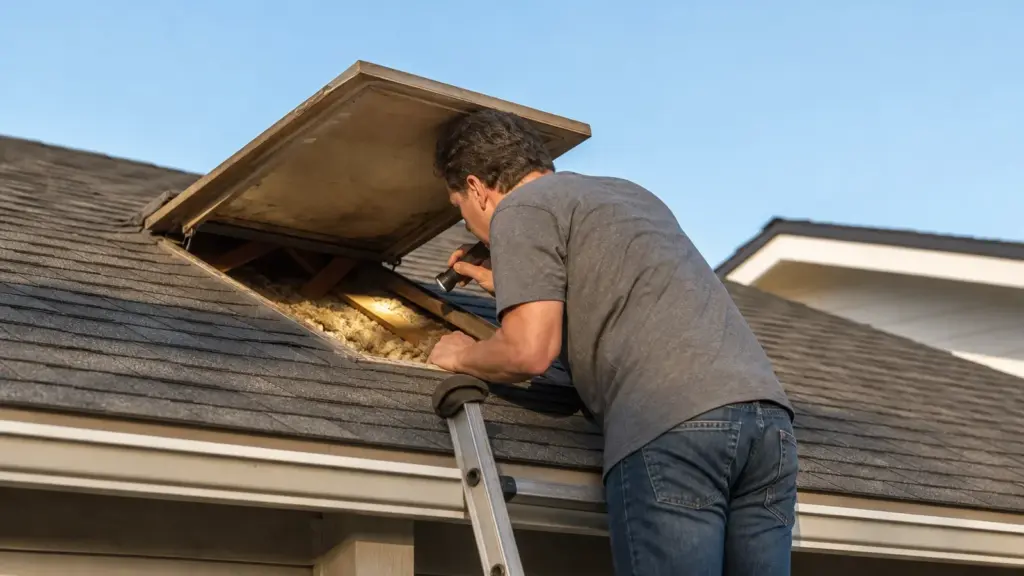
A quick visual check through the attic hatch can reveal a lot. If you can see the tops of the floor joists without any insulation covering them, the existing material has either settled far below the recommended depth or was never installed at adequate depth to begin with. California’s climate zone guidelines for Ventura County typically call for attic insulation at R-38 or higher, which translates to a substantial depth of material depending on the product used. Joists that are fully visible mean the thermal barrier is effectively gone in those areas. This is a straightforward sign that removal of whatever degraded material remains, followed by a proper reinstall, is the right path. For a realistic sense of what that project involves financially, understanding the cost factors for Camarillo insulation removal is a useful starting point.
Ready for the next step? Learn how attic insulation services in Malibu can help and reach out to the team.
Can air quality changes inside the home point to an attic insulation problem?
When insulation degrades, small fibers, dust, and particulates can migrate into the living space through gaps around light fixtures, attic hatches, and unsealed penetrations. Homeowners sometimes notice that surfaces seem dustier than usual, or that occupants find the indoor air feels heavier or less fresh. While many factors affect indoor air quality, a noticeable shift that coincides with an older home or a recent pest or moisture event is worth investigating at the attic level. Replacing degraded insulation and air-sealing the attic floor as part of the process can help reduce the pathway for attic air to enter living spaces. Our attic insulation removal service page explains how a thorough removal and reinstall addresses both the material and the air-sealing layer together.
What should I do once I recognize one or more of these signs?
Not every warning sign automatically means a full removal is required, but several of them together, or even one serious indicator like rodent contamination or water damage, usually do point in that direction. The most useful next step is a professional attic inspection that lets a qualified contractor assess the current R-value, look for moisture or pest evidence, and identify any air-sealing gaps. Before that appointment, it helps to know what questions to ask. The right questions for your Camarillo insulation contractor can help you evaluate the assessment you receive and make a confident decision. Once removal is complete, planning the attic preparation phase is equally important, and what happens after insulation removal in Camarillo walks through that process in detail.
Camarillo homeowners who catch these warning signs early have more options and typically face a more straightforward project than those who wait until secondary damage has set in. If your home is showing one or more of the signs described above, reaching out to a local attic insulation contractor for an inspection is a practical, low-commitment first step. LA Attic Pro serves Camarillo and the surrounding Ventura County area, and our team can assess your attic, walk you through what we find, and recommend a clear path forward. Contact us to schedule your attic inspection.