
Why Benefits Go Beyond “No More Scratching”
Ask any Angeleno who has spent a night listening to attic scurrying: the absence of noise feels priceless. But the true value of professional rodent proofing for Los Angeles homeowners runs far deeper than a quiet evening. In a city where architectural styles stack across decades and microclimates vary block by block, a well-sealed home protects health, safeguards systems, sustains energy efficiency, and supports neighborhood well-being. It is not simply about blocking entry; it is about upgrading the performance and resilience of your living space so it holds up under heat, wind, and the day-to-day realities of urban life.
Los Angeles homes are dynamic. Stucco breathes and hairline cracks open when temperatures swing, garage doors flex as slabs settle, and palm fronds brush eaves that once sat clear. Every shift creates an invitation for a mouse or roof rat to push a little further. When you invest in exclusion, you are not just closing a gap; you are installing durable materials that stand up to those small seasonal movements and keep the envelope tight. The benefits compound over time as each vulnerable point gets a permanent, thoughtful answer.
Healthier Indoor Air and Cleaner Living Spaces
Start with air quality, because it affects your family every day. Rodent activity brings droppings, urine, nesting materials, and dander into places where air circulates—attics, crawlspaces, and inside wall cavities. When air handlers run, when temperatures rise and draw attic air down, or when doors and windows open to move a breeze through the house, contaminants can ride along. Exclusion helps by stopping the ongoing source of contamination, while proper sanitation and any necessary insulation replacement remove what is already there. The result is air that smells cleaner and feels lighter, especially for households managing allergies or asthma.
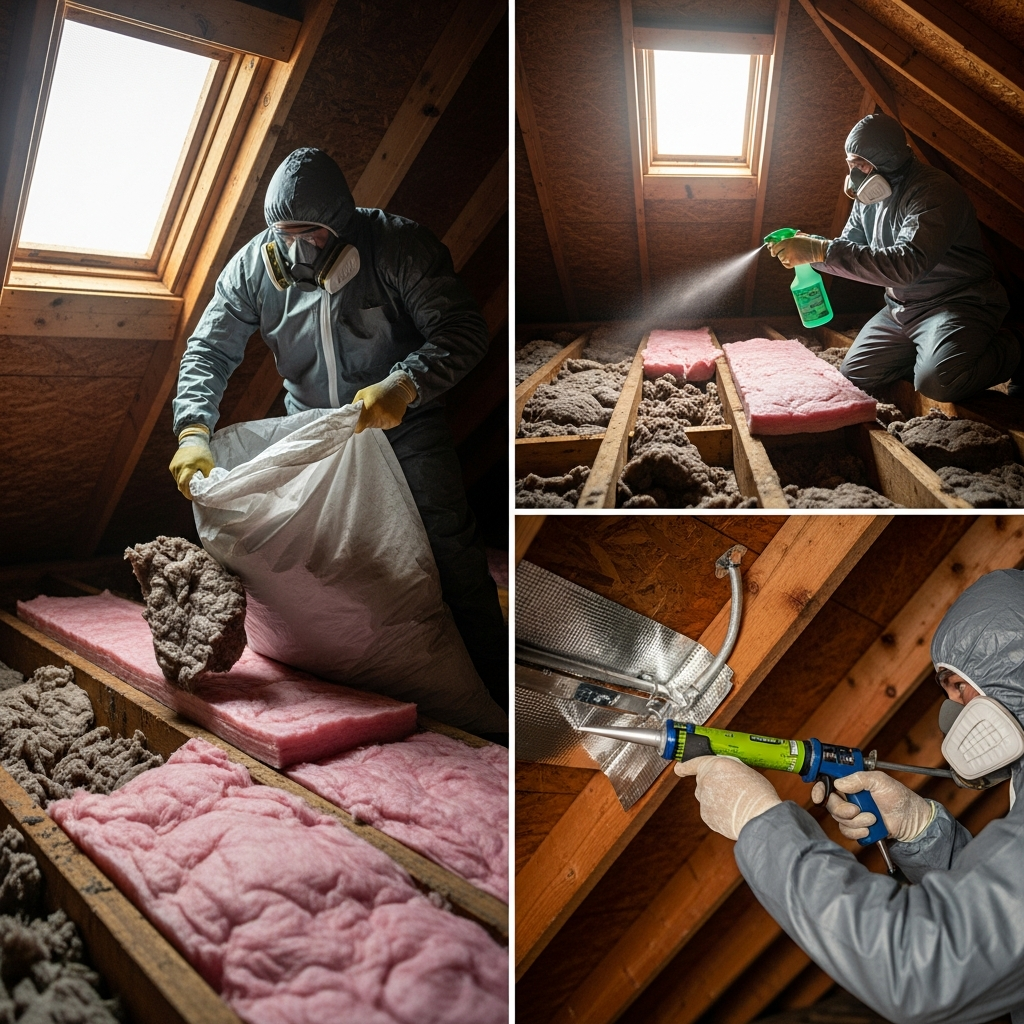
Cleansing the attic is not an aesthetic task; it is a health and comfort decision. Think about stored items: holiday decorations, keepsakes, camping gear. If rodents are active overhead, all those items get dusted by debris. When the attic is quiet and clean, you restore confidence in the spaces you rarely see but rely on just the same. Families often tell me that, after an attic is sanitized and sealed, the subtle odors that had become “just part of the house” finally disappear. That is one of the most satisfying benefits of doing the work properly.
Protecting Electrical, Mechanical, and Plumbing Systems
Rodents are persistent chewers. Their teeth grow continuously, which drives them to gnaw anything that offers resistance. Electrical wiring, PEX water lines, sprinkler controls, low-voltage thermostat wires, and even the plastic housings of junction boxes become targets in attics and garages where activity goes unchecked. A single nicked conductor can trip breakers and cause intermittent problems that are maddening to diagnose. By preventing access in the first place, you keep chewing away from these critical systems and cut off the root cause of future service calls.
HVAC components are especially vulnerable. Duct liners can be shredded to scavenge nesting material, and small breaches leak conditioned air into the attic—exactly where you do not need it. Once exclusion is complete and activity stops, ducts can be patched or replaced with confidence that the damage will not be repeated. The reliability you gain is real: fewer mystery faults, fewer weekend calls, and a system that hums along without surprise interruptions in the middle of a heat wave.
Energy Efficiency and Thermal Comfort
Many homeowners do not immediately connect rodent activity with their utility bills, but the link is strong. Burrowed, compacted insulation loses its R-value, which erodes your home’s ability to hold temperature. On a blazing August afternoon in the Valley or a sunny winter morning in the South Bay, that loss translates to longer run times for your AC or furnace. After exclusion and cleanup, replacing compromised insulation brings your thermal envelope back to spec, and the effect is obvious: rooms cool more evenly, drafts settle down, and you do not fight hot ceilings or cold floors the way you used to.
Sealing rodent entry points also reduces uncontrolled air exchange. Those same gaps that let animals in often leak air. Closing them makes the building tighter, which hands your mechanical system an easier job. Proper ventilation remains, of course—bath fans, kitchen hoods, and roof vents do their work—but the random leaks that sap comfort get shut down. Over time, that stability means you can plan better: window upgrades make more sense, thermostat schedules hold truer, and seasonal tune-ups pay off.
Peace of Mind and Better Sleep
Never underestimate the impact of a quiet, predictable home. I have met parents who spent weeks waking to the same midnight rustle, and every night felt like a question mark. After a thorough sealing and a quiet attic, sleep returns in a way you can feel in the morning. Children stop asking about noises in the wall; pets quit stalking a pantry corner. There is a psychological dividend to exclusion that makes daily life easier. When the house is silent at night, the brain rests too.
That peace of mind extends beyond sound. When you know your garage door sweeps are tight, your vents are screened with rodent-grade mesh, and your utility penetrations are sealed with materials that actually deter gnawing, the occasional rooftop scuffle from a raccoon or the scent of jasmine on a breezy night do not come with a shot of anxiety. You have rebuilt trust in your home’s envelope—and that trust changes how you feel about living there.
Preserving Property and Preventing Secondary Damage
A lot of rodent-related damage is indirect. A leaking irrigation bib that goes unnoticed becomes a water source that anchors a colony nearby. Chewed insulation blurs into dust that spreads odor and requires broader cleanup. A tiny gap under a side door becomes a highway for leaves and spiders along with mice. Exclusion interrupts those cascades. You protect stored items in the attic from soiling, you preserve the condition of your garage and crawlspace, and you preempt the nagging list of small repairs that seem to appear every season.
Exterior finishes benefit too. When gnawing at soffits and fascia ends, the domino effect of damaged paint and lifted flashing slows dramatically. The home’s curb appeal—something LA homeowners value on blocks where every yard tells a story—stays strong. In hillside areas where decks and beams are more exposed, sealing beam pockets and closing soffit gaps keeps critters from carving out new homes that lead to staining and structural annoyance later.
Neighborhood and Environmental Stewardship
Los Angeles is a city of neighbors. What you do on your property influences the block, and vice versa. When homes are sealed and sanitation is steady, alleyways stay calmer, and the shared environment thrives. Thoughtful exclusion reduces reliance on poisons that can harm hawks, owls, and neighborhood pets. It aligns with statewide moves away from second-generation anticoagulants and toward methods that are kinder to the wildlife that makes our canyons and night skies special.
Conversation matters here. When you share your experience with neighbors—why you chose sealing over bait, what materials held up best, and how you manage trash and fruit trees—momentum builds. Whole streets can grow quieter, and that is good for everyone. It is one of those benefits that does not fit neatly in a brochure but changes how a neighborhood feels at dusk and dawn.
Predictable Maintenance and Fewer Emergencies
Without exclusion, rodent issues often show up as emergencies: a sudden odor before guests arrive, a tripped breaker in the middle of a hot spell, a pantry scare when the dog food bin is found open. Once entry points are closed and the interior population is resolved, small, scheduled check-ins replace crises. You may plan a seasonal glance at roof vents after a Santa Ana event or trim back a bougainvillea that leans toward the eave. That rhythm of light, planned care beats surprise phone calls every time.
And because closures are built with solid materials—galvanized mesh, metal-backed sealants, rigid escutcheons—the work holds up to heat and time. I have returned to homes years later where vents still look pristine and doors still sweep tight. That durability is a quiet benefit that saves time and worry in the long run.
Clarity During Renovations and ADU Projects
Los Angeles is in a renovation boom. ADUs rise behind bungalows in Mid City, kitchens open to patios in Sherman Oaks, and whole-house retrofits upgrade electrical and HVAC from Venice to Pasadena. Exclusion work lays a clean foundation for these projects. When you start with a sealed, sanitary envelope, contractors have fewer surprises in attics and crawlspaces, and you avoid the awkward discovery of contamination after new drywall is up. If your remodel involves opening soffits or moving utilities, plan for a recheck at closeout so every new penetration is secured before you celebrate the finished space.
In ADUs specifically, the compact footprint magnifies any rodent breach. One small gap can affect the entire unit in a day. A pre-move-in inspection and sealing ensure that renters or family members enjoy the same comfort you expect in the main house. It is a low-cost, high-impact way to protect a new investment and avoid early headaches.
Confidence When You Travel
LA is a city of trips—weekend runs to the desert, holidays up the coast, milestone flights out of LAX. Exclusion gives confidence while you are gone. With door sweeps tight, vents screened, and pantry attractants secured, you do not return to an unwelcome surprise. If you use a house-sitter, your instructions get simpler: water the plants, bring in the mail—no elaborate pest workarounds. That simplicity is a benefit you really feel when life is busy.
Choosing Expertise That Respects Your Home
The “how” of exclusion is as important as the “why.” Skilled technicians document what they find, explain closure choices, and use materials proven to stand up in LA’s sun and microclimates. They coordinate attic sanitation and any needed insulation replacement so the sequence is right: close, resolve activity, then clean and restore. That order matters. It avoids re-soiling and sets you up for long-term success. Partnering with a team that focuses on comprehensive rodent proofing is the fastest path to reestablishing calm and keeping it.
Frequently Asked Questions
Q: Will rodent proofing change the look of my home?
A: Quality work blends into the architecture. Mesh is mounted behind louvered vents, color-matched escutcheons sit tight, and garage door sweeps are chosen to meet the slab cleanly. The goal is to make closures invisible or discreet so curb appeal is preserved.
Q: How soon will I notice benefits?
A: Many homeowners notice immediate quiet at night. Odor reduction follows as sanitation is completed and any contaminated insulation is addressed. Thermal comfort improvements become clear once new insulation is installed and the home cycles through a few hot or cool days.
Q: Do I need to change landscaping?
A: Often small adjustments are enough: trim branches so they do not touch the roofline, pick up fallen fruit, and keep ivy from climbing vents and fascia. These tweaks reduce pressure on your defenses and make a big difference in the long run.
Q: Are attic cleanups always necessary?
A: Not always. If activity was brief and localized, targeted sanitation can suffice. When contamination is widespread, a full cleanup ensures odors and allergens are removed before insulation is restored. An honest inspection with photos will guide the decision.
Q: What maintenance is required after proofing?
A: Think light and seasonal: glance at vents after heavy wind, keep door sweeps intact, and verify that new utility work is sealed as projects wrap up. Most homes need little more than these habits once the envelope is tight.
Q: Will proofing help with other pests?
A: Yes. Many of the same gaps rodents use also admit insects and urban wildlife. Sealing the envelope cuts down on cross-over issues, making the interior calmer overall.
Ready for a Quieter, Cleaner Home?
If you are ready to reclaim your evenings and remove uncertainty from your home life, schedule a professional assessment that focuses on exclusion, sanitation, and long-term durability. Ask to see photos, understand the materials, and expect follow-up to confirm success. With a thoughtful plan and experienced hands, your home can be peaceful again—starting with proven rodent proofing that stands up to LA’s climate and character.