
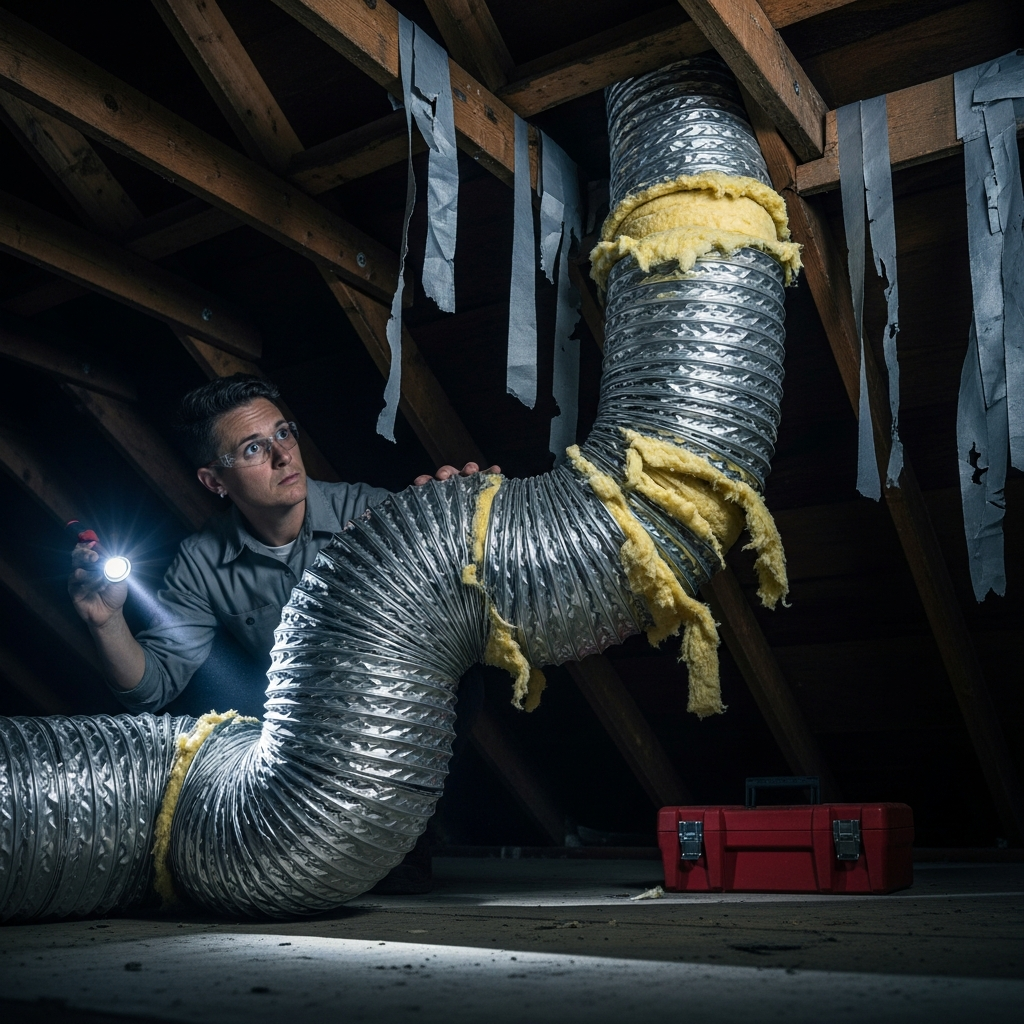
In Los Angeles, ductwork lives a demanding life. Attics swell with heat most afternoons, coastal fog drifts through mornings, and dense neighborhoods complicate access for repairs. When it is time to replace ducts, these conditions reveal a familiar set of challenges that, if ignored, can compromise comfort and undercut the benefits of new equipment. Understanding the common issues in our region helps you anticipate what matters and partner more effectively with the team doing the work. For many homeowners, the path to a quieter, more even home begins with a sober look at the pitfalls and how to avoid them, then continues with a plan for air duct replacement that respects both the house and the way you live in it.
One of the most widespread problems we encounter is undersized return air. Even with brand-new supply runs, a starved return makes the system loud, inefficient, and inconsistent from room to room. Doors can slam shut when the blower engages, air hisses through the hallway grille, and the filter loads quickly because the system is fighting for breath. During replacement, addressing return size and location is as important as any decision about supply branches.
Leaky connections and the myth of “tape fixes everything”
Too many older installations rely on tape alone at critical joints. In a hot LA attic, adhesives age quickly, and seams peel back. The result is leakage that steals conditioned air from rooms and draws dusty attic air into the supply. The fix is not glamorous but it is durable: mechanical fastening at collars and boots, followed by mastic sealing and the right tape as a secondary layer. When these steps are followed methodically, leakage drops dramatically, and the entire system becomes quieter and cleaner.
Leakage is not always obvious from inside the house. You may feel a room is underperforming without realizing that a branch has separated slightly from the trunk. That is why post-replacement testing matters. Numbers verify that air is traveling the full route to the register rather than escaping in the attic ten feet from the plenum.
Improper sizing and the domino effect
Another frequent issue is sizing by rule of thumb rather than by calculation. Long runs to back bedrooms end up with the same diameter as short runs to nearby rooms, and oversupply to easy locations robs air from the far reaches of the house. The domino effect is familiar: the system ramps up to try to meet demand, noise rises, and temperatures drift apart room by room. Proper sizing—accounting for run length, load, and desired velocity—brings the home back into balance. It does not require exotic tools, just attention to the specifics of your floor plan and microclimate.
When sizing is corrected during replacement, people often notice the change immediately. That neglected guest room no longer runs warm in the afternoon, and the family room stops feeling drafty. Airflow becomes purposeful, not a compromise stitched together from what seemed easiest at the time.
Compressed and kinked flexible duct
Flexible duct is a workhorse in Los Angeles attics, but it needs space to perform. When installers snake it too tightly around trusses or compress it with hasty straps, resistance climbs and airflow plummets. Kinks create turbulence and noise, and compressed points invite condensation on cool days. During replacement, the cure is simple in concept and careful in practice: plan routes with gentle arcs, support lines to keep the duct round, and avoid unnecessary length. These decisions turn a noisy branch into a whisper and a sluggish room into a steady one.
In older homes with multiple additions, routes may have been layered like spaghetti over decades. Part of the art of replacement is editing that tangle into a clean, efficient path that respects structure and delivers air where it is needed without contortions.
Attic heat and insufficient insulation
Summer afternoons are unforgiving in the Valley and inland neighborhoods. Supply air that leaves the unit at a comfortable temperature can arrive several degrees warmer if insulation is thin or compromised. Over time, jackets can degrade, rodents can disturb layers, and service work can leave gaps. Replacement is the moment to upgrade insulation values and restore continuity around every run. That investment pays off every day when the sun is high and the attic becomes the hottest part of the property.
Insulation is not only about energy. It also preserves comfort by protecting the temperature profile along the length of a run. With better jackets, the first and last registers in a zone behave more alike, limiting the “good seat, bad seat” dynamic that frustrates families in open-plan spaces.
Noise born from turbulence and poor transitions
Another common complaint is noise, especially at start-up or in small rooms where a register faces the seating area. Turbulence created by abrupt fittings, undersized boots, or high static pressure amplifies sound. Replacement projects that prioritize smooth transitions, proper boot sizing, and balanced static turn the soundtrack down. What remains is a gentle movement of air that fades into the rhythm of the home.
People often underestimate how much a quiet system improves their relationship with their space. Video calls feel less tense, movies play without companion hiss, and light sleepers find it easier to drift off. These quality-of-life shifts matter as much as the technical wins on paper.
Registers and throw patterns that miss the mark
Even perfect ducts can be undermined by a register that throws air into the wrong part of the room. We frequently see supply grilles that blast a sofa or short-cycle air near a thermostat. During replacement, revisiting register type and direction pays dividends. A register aimed at sun-warmed glass in a west-facing room, or angled to mix air deeper into an open plan, can dissolve hot and cold pockets without increasing airflow.
In historic homes, this conversation includes aesthetics and preservation. Modern low-profile grilles can unobtrusively improve performance while honoring the original look. The goal is harmony: form supporting function so the room feels and looks right.
Access challenges and project planning
Los Angeles homes present logistical puzzles. Narrow side yards, limited street parking, and delicate interior finishes make careless work costly. Without planning, crews can lose time and momentum, and homeowners feel the disruption. The antidote is choreography: staging materials efficiently, protecting floors and furnishings, coordinating access times, and keeping communication open. When a project is run with that rhythm, the replacement feels like an organized progression rather than a free-for-all above the ceiling.
Inside the attic, safe platforms and lighting matter more than most people realize. Good access means better craftsmanship; installers can see and reach joints, support lines cleanly, and avoid accidental damage to insulation or wiring. These quiet investments show up later as reliable performance.
Forgetting the return path
Return air problems are behind many stubborn comfort issues. A single, undersized return in a hallway cannot serve a two-story home well. During replacement, upgrading return size, smoothing the path, and sometimes adding a second return moves you from compromise to consistency. The effect is immediate: lower noise, better filtration performance, and more even temperatures across the floor plan.
Homes with doors that close at night benefit in particular. With ample return, bedrooms do not pressurize or starve the system; the network continues to breathe even as households follow normal routines of privacy and quiet.
Skipping verification
Replacing ducts without measuring results is like finishing a remodel without turning on the lights. Pressure readings at the unit and leakage testing are the closing arguments that prove the case. They also catch small oversights before they become long-term frustrations. Homeowners who ask for numbers are rarely disappointed, because those numbers anchor the story of comfort to tangible data.
Verification also builds trust. When you see static pressure settle into a healthy range and leakage drop to a fraction of its former level, you know the investment will keep paying back in quieter days and calmer nights.
What a good replacement feels like
Done well, duct replacement does not call attention to itself. It lowers your home’s background noise, makes room temperatures more consistent, and keeps dust from creeping back as quickly. The thermostat becomes less of a negotiation and more of a simple setting you forget. People often report sleeping better and using rooms they previously avoided at certain hours. These are the human outcomes behind the technical details.
If you have wrestled with at least a few of the issues above, it is a sign your home is a candidate for a reset in the attic. The right plan will address return capacity, sealing discipline, routing sanity, and verification, leaving you with a system that serves the life you actually lead. As you weigh the next step, consider discussing a tailored plan for professional air duct replacement so the work reflects your home’s realities, not a template borrowed from somewhere else.
Frequently Asked Questions
Why are my new ducts still noisy?
Noise often points to high static pressure, abrupt fittings, or undersized boots. Even with all-new materials, poor transitions and starved returns can create turbulence. A pressure reading and a look at key fittings usually reveal the fix.
How do I prevent rodents from damaging new ducts?
Exclusion is essential. Seal entry points into the attic and maintain good housekeeping practices. During replacement, specify robust jackets and supports that hold ducts off surfaces where pests travel. Periodic inspections catch early signs before damage spreads.
Can I reuse any of my existing ducts?
Sometimes, but many older runs are compromised by age, layout, or leakage. A careful assessment can determine if any short, straight sections with sound insulation are worth keeping. Often, the best results come from a coherent new layout rather than a patchwork.
Do I need to replace registers too?
Not always, but mismatched or noisy registers can undermine great ductwork. During replacement, evaluate register type and size relative to each room’s needs. The right choice can dramatically reduce drafts and hiss.
How long does a typical replacement take?
With planning and good access, most homes are completed efficiently, with the majority of work kept to the attic. Protecting living spaces and communicating daily progress keeps disruption low while ensuring quality.
If you are ready to trade noise, dust, and uneven rooms for a home that simply feels right, this is the moment to act. Start a conversation that addresses the root causes and maps a clear path to better comfort. Reach out today to schedule your air duct replacement and enjoy the quiet confidence of a system built for Los Angeles living.