
Walk down a tree-lined street in Los Angeles—South Pasadena’s Craftsman blocks, the Spanish Revival pockets of Hancock Park, the storybook cottages in Los Feliz—and you’ll see why so many of us fall in love with older homes. They carry history in their bones: thick stucco, generous eaves, leaded glass, and hardwood floors that creak in friendly ways. But age also invites challenges, and one of the most persistent is rodent intrusion. Over years of small shifts and deferred maintenance, hairline gaps grow, screens tear, and service penetrations multiply. That’s why, when neighbors ask where to start with stewardship of an older property, I talk about rodent proofing as a core part of caring for the house and everyone who lives in it.
Older Los Angeles homes span eras and construction methods: lath-and-plaster walls, raised foundations with crawl spaces, clay tile or wood shake roofs later swapped for composite, and charming but drafty attic vents that date back decades. Each era leaves typical entry points that repeat block to block. Understanding these patterns helps you focus effort where it counts, preserving character while tightening the shell.
Eaves, soffits, and gable vents
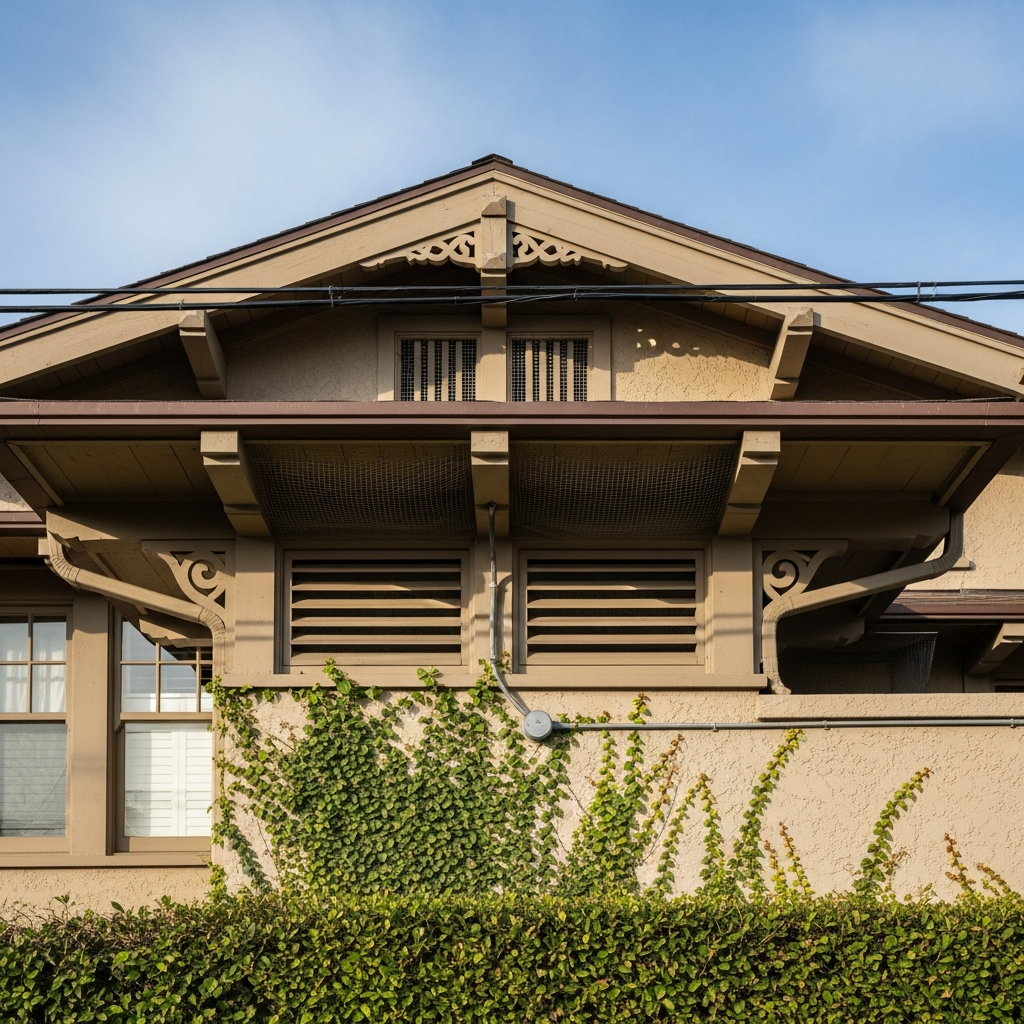
Generous eaves are a hallmark of Craftsman and Spanish Revival homes, but the very details that create shade and beauty can hide gaps. Over time, soffit boards separate slightly, fascia boards cup, and gable vent screens oxidize or pull loose at a corner. Rodents are relentless explorers; a gap you can’t see easily from the ground can be the perfect doorway. Solutions here call for careful inspection from a ladder, reinforcement of vent screens with galvanized mesh, and discreet sealing at joints that have opened with age. The goal is to keep the look intact while closing the path.
Raised foundations and crawl space vents
Many prewar LA homes sit on raised foundations, with a crawl space that breathes through perimeter vents. Those vents often sport rusty screens or poorly fitted replacements added over the years. Foundation shifts—especially after seismic events—can also open slender gaps where sill plates meet stucco or where utility lines enter. Rodent proofing this zone means resetting the vents with durable, tight-weave mesh, sealing utility penetrations, and confirming that access doors close snugly. While you’re there, check that vegetation isn’t pressed up against vents; ivy can create hidden onramps.
Roof transitions and material changes
Older roofs tell stories: clay tiles patched with asphalt shingles, dormers added long after the original build, and chimneys that have seen better days. Each transition is a place where small separations emerge, especially under LA’s cycles of sun and the occasional downpour. Rodent entry along these seams is common and often overlooked because the movement is subtle. The remedy blends roofer know-how—flashing that tucks properly and sealants that tolerate heat—with exclusion expertise, like adding mesh behind decorative vents. The work is neat and, when done well, nearly invisible.
Service penetrations: the slow accumulation
Decades bring upgrades: new electrical service, mini-split lines, cable runs, irrigation controllers, security systems. Each addition punches a new hole through stucco or siding, often sealed hastily. Over time, caulks harden and crack, leaving tidy-looking but ineffective barriers. A common older-home issue is the “bundle hole”—a cluster of old and new lines exiting together with gaps all around. Effective rodent proofing revisits each of these points, cleans out failed sealant, and applies materials sized for the gap and climate. The result is a quieter wall and far fewer surprise visitors in attics and chases.
Chimneys and flues
Decorative chimney caps, long-neglected spark arrestors, and open gaps around flue pipes are frequent culprits in older homes. Birds and rodents both love a warm, sheltered nook near a chimney. The fix involves sturdy caps, proper screening that maintains draft, and careful sealing around flashing where the flue passes through the roof. These changes reset a high-traffic zone that often explains nighttime noises centered near living rooms and bedrooms.
Garages and carriage houses
Detached garages, carriage houses, and old service quarters are common across older LA neighborhoods. Side doors may be out of square, thresholds worn, and wall-bottom plates show daylight at slab edges. Since many of us use these structures for storage or as studios, sealing them pays off quickly. A tight garage dramatically reduces overall pressure on the main house because it removes a feeder space where rodents can establish habits first.
Pantries, built-ins, and interior chases
Inside, older kitchens with built-in cabinetry and hidden chases can conceal routes from wall cavities to food storage. Toe-kicks, old plumbing holes oversized for previous fixtures, and unused pass-throughs behind appliances need attention. The aim is not to make your kitchen feel modern; it’s to honor the craftsmanship while closing the invisible highways that attract pests. Homeowners often remark, after sealing and cleanup, that their pantries finally stay clean without every item living in a plastic tub.
Insulation realities in legacy attics
Many older homes still have patchwork insulation: a thin layer of original material, topped by assorted batts from past projects. Rodent activity compresses and contaminates these layers, undermining comfort. Exclusion followed by thoughtful insulation upgrades restores both cleanliness and performance. The visual transformation is also real—what once felt like a relic turns into a tidy, modern mechanical space that supports the life downstairs.
Respecting character while sealing smart
The best part of working on older LA homes is finding solutions that disappear into the architecture. Painted hardware cloth behind decorative vents, sealants color-matched to stucco, and custom-trimmed screens inside wood louvers keep the house looking like itself. You don’t need to compromise charm to gain quiet and cleanliness; the trend across the city is to do both.
What to expect during a project
For older homes, successful rodent proofing follows a measured sequence. First comes a thorough inspection—roofline to foundation—to map the actual pathways in this specific structure. Next is targeted sealing, reinforcement of vents, and attention to service penetrations. Sanitation removes what’s been left behind. Finally, you settle into a simple rhythm of seasonal checks, especially after the first fall winds or a winter storm. Midway through that first year, many homeowners notice they’ve stopped thinking about the issue entirely. If you’re at that point where you want a plan grounded in local experience, explore Los Angeles-specific rodent proofing in older homes and you’ll see how tailored details make the difference.
Community patterns and shared solutions
Because older neighborhoods often share construction eras, they share vulnerabilities. When one house on the block replaces deteriorated gable screens and trims ivy off eaves, others take note. It’s common to see a quiet wave of improvements pass down a street. Rodents are opportunists; when multiple homes seal up at once, the pressure on any single house drops. That kind of neighbor-to-neighbor momentum is part of why older LA streets feel so welcoming: people care for these places together.
Why starting now matters
With every season, tiny gaps can grow a little wider. The best time to act is before habits form. Early sealing prevents nesting and the odor patterns that are hard to shake later. It also protects the delicate finishes and systems older homes carry, from original hardwood to retrofitted wiring and new HVAC. There’s a satisfaction in knowing you’ve secured the unseen layers that preserve the house’s story.
FAQ
Will rodent proofing alter the exterior look of my historic home?
Done well, no. Reinforcements are discreet—mesh behind existing grilles, color-matched sealants, and careful detailing around eaves. Most neighbors won’t notice anything has changed, even as your home grows quieter and cleaner.
Do I need to replace all attic insulation in an older home?
Not always. The decision depends on contamination and compression. Some homes benefit from targeted removal and top-ups; others, with extensive tunneling, do best with a full reset. Sealing first ensures any new or retained insulation stays clean.
How do earthquakes affect older homes and rodent entry?
Minor seismic shifts can open hairline gaps at roof-to-wall joints, around chimneys, and where foundations meet framing. Regular inspections after notable tremors help catch these changes early and maintain a tight shell.
Are crawl spaces a major risk?
Yes, particularly in prewar houses with aging vent screens and loose access doors. Addressing crawl space vents, door fits, and utility penetrations is often one of the highest-impact steps you can take.
Can I preserve vintage built-ins and still seal my kitchen?
Absolutely. The work focuses on hidden chases, toe-kicks, and oversize holes behind appliances. You keep the look and function; you lose the pathways that invite pests.
How often should I check a sealed older home?
Seasonal checks are enough for most houses—before fall winds, after a strong rain, and at the start of summer heat. These quick glances keep small issues small and preserve your results.
If your beloved older Los Angeles home deserves a quieter attic, a cleaner crawl space, and a pantry you can trust, now is the time to take action. Start with a thoughtful inspection, then follow through with targeted sealing and cleanup that respects the architecture. For clarity, confidence, and results tuned to our historic neighborhoods, connect with local experts and schedule professional rodent proofing so your home’s character can shine without the unwelcome company.