
Innovation You Can Feel in the Air
Los Angeles sits at the crossroads of lifestyle and technology, where a morning surf can be followed by an afternoon spent tweaking a home automation scene. It is no surprise that air duct cleaning—a service many once considered purely routine—has entered a new era driven by better tools, smarter data, and a growing focus on health. Across neighborhoods from Playa Vista to Pasadena, the latest trends are reshaping not just how ducts are cleaned, but how HVAC systems breathe and perform year-round.
As a local observer who has watched the industry evolve job by job, the most exciting development is not one flashy gadget. It is the convergence of methods that together deliver cleaner ducts, clearer air, and quieter, more efficient systems. Pairing these innovations with a reputable provider of air duct cleaning can produce a difference you notice the instant the system kicks on.
Data-Driven Assessments and Transparent Results
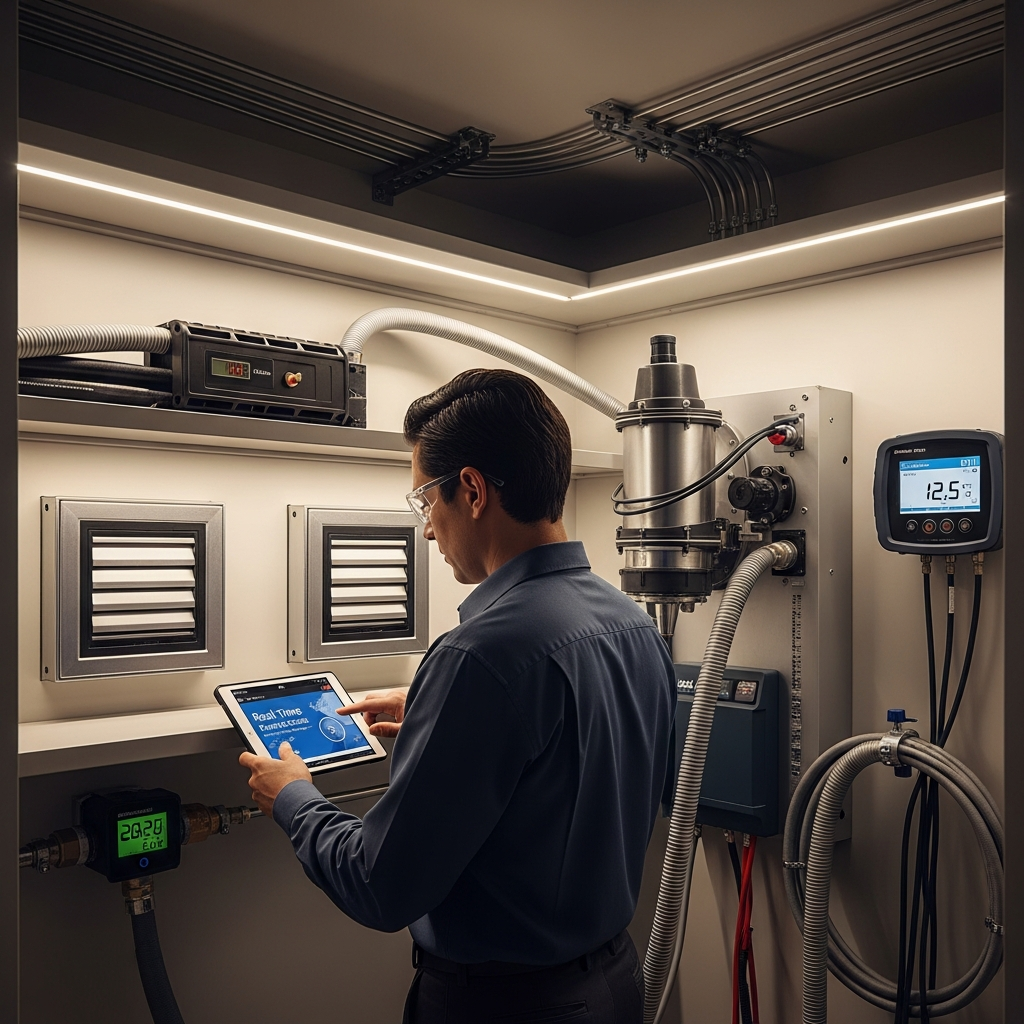
Homeowners are asking smarter questions, and the industry is answering with better diagnostics. Before-and-after imaging, particle counts at supply registers, and pressure tests that reveal leaks are becoming standard in top-tier services. These tools turn a behind-the-scenes process into a transparent story that homeowners can see and understand. When you watch a technician measure particulates before cleaning and then demonstrate the drop after, the value of the work becomes unmistakable.
In a city that thrives on visuals—from cinematography to interior design—this transparency fits like a glove. It also supports long-term planning, helping families schedule maintenance around seasons and life events rather than reacting to odors or dust after the fact.
Advanced Containment and Negative Pressure Techniques
The core principle of good cleaning remains the same: dislodge debris and capture it rather than redistribute it. What has changed is the precision with which professionals create negative pressure and contain work zones. Modern units offer higher filtration efficiency and steadier suction, so even delicate older ducts can be cleaned thoroughly without strain.
For homeowners, that means less disruption and greater confidence that what is removed is truly gone. The payoff shows up as cleaner supply air, fewer post-clean dust plumes, and a quieter overall system tone.
Eco-Conscious Practices for a Greener City
Los Angeles’s environmental ethic now infuses HVAC care. Many teams have shifted to low-impact cleaning agents when needed and recycle removed materials where possible. Disposable covers and barriers are selected with sustainability in mind, and route planning reduces time on the road between jobs. It may sound small, but multiplied across thousands of appointments, these choices echo the city’s commitment to greener living.
Eco-consciousness also shows up in guidance to homeowners: how to pair cleaning with better filtration so intervals can be extended responsibly, and how to tune fan schedules so the system maintains indoor air quality efficiently during high-smog or wildfire days.
Sealing and Aerodynamic Improvements as Part of Cleaning
One striking trend is the integration of duct sealing and aerodynamic fixes as a standard part of a cleaning visit. After all, a clean but leaky duct wastes effort and invites dust back in. Technicians now routinely identify and address accessible leaks, reinforce mastic on aging joints, and suggest strategic insulation where attic heat bakes duct runs. The results are immediate: more even room temperatures, lower fan effort, and a system that stays cleaner longer because it is no longer drawing dusty air from attics or crawlspaces.
Homeowners feel this not just in the nose but in the bones of a building—quiet returns, steady supply, and fewer hot corners that seemed immune to the thermostat.
Smarter Filters and Fan Schedules
Filter strategy is enjoying a renaissance. Instead of defaulting to the highest MERV rating, the new wisdom is to choose the filter that matches blower capacity and lifestyle. A properly sized filter protects both lungs and equipment. Coupled with updated thermostats, homeowners are experimenting with brief daily fan runs to pass air through filtration even when heating or cooling is not needed. During wildfire or Santa Ana events, these schedules help keep indoor air calm without throwing windows wide open to the elements.
These smarter routines complement professional care. Clean ducts hold their gains longer when the daily rhythm of the home helps instead of hinders.
UV-C and Air Treatment, Used Thoughtfully
Treatment technologies like UV-C lights are not new, but their application has matured. The latest approach favors strategic placement near coils and drain pans to address microbial growth where moisture tends to collect, rather than blanket installations that add cost without commensurate benefits. The emphasis is on thoughtful, tested installations backed by clear maintenance schedules so that devices deliver real value rather than becoming forgotten gadgets.
For homes in coastal microclimates or with frequent cooling use, this targeted strategy can keep the system cleaner between services, supporting fresher air with less chemical intervention.
Precision Tools for Delicate and Complex Ducts
Los Angeles’s housing stock covers nearly every era, and cleaning tools have adapted. Soft-brush agitation for fragile fiberboard, whip assemblies for long metal trunks, and flexible camera heads that snake through tricky bends enable thorough work in systems that used to be considered too risky to access fully. This precision expands what is possible, giving homeowners in older properties access to the same quality of cleanliness as those with brand-new systems.
Pairing these tools with experienced hands ensures that the process respects the home’s stability while achieving a true reset inside the ductwork.
Wildfire Readiness as a Maintenance Mindset
What once felt like occasional crisis management has become a rhythm: Angelenos now plan around fire season. The trend is to treat cleaning and filter readiness as part of an annual resilience plan. After intense smoke periods, a professional cleaning removes residues that even upgraded filters could not catch, restoring the system’s neutrality. Some households keep a set of higher-efficiency filters on hand to swap in for smoke days, then revert when skies clear, balancing airflow needs with protection.
This nimbleness is the new normal, and it hinges on systems that are clean enough to respond quickly without carrying last season’s burden forward.
Verification and Homeowner Education
A meaningful trend is the shift from one-time service to ongoing partnership. The best providers now coach homeowners on recognizing early signs of duct issues, reading filter performance, and understanding when odors or dust indicate it is time to call. Simple frameworks—like aligning filter changes with holiday calendars or school terms—help busy households stay on track without micromanaging their HVAC.
Education breeds confidence, and confidence translates to calmer, healthier homes. When residents understand the why behind a recommendation, they are far more likely to keep their systems in peak condition.
Comfort Zoning and Balanced Airflows
Cleaning creates an opportunity to reassess airflow and zones. In multistory homes in the Hollywood Hills or large ranches in Woodland Hills, rebalancing after cleaning often smooths out persistent hot and cold spots. With duct interiors free of debris, small adjustments at dampers and registers have outsized effects, making comfort more uniform without heavy interventions.
The combined effect is a home that feels quietly optimized—no drama, just consistency from morning coffee to late-night reading.
Transparency Around Standards and Ethics
Los Angeles homeowners are discerning, and the industry has responded with clearer standards and documented processes. Top teams follow recognized best practices, explain each step in plain language, and demonstrate results. That clarity guards against corner-cutting and assures residents that they are getting what they scheduled. It also reaffirms that cleaning is not about chasing dust for its own sake but about protecting health, comfort, and equipment.
When you combine clear standards with innovative tools, the experience shifts from a chore to a moment of renewal for the home.
Neighborhood-Specific Approaches
Trends have local accents. In coastal areas, attention focuses on salt air and moisture management around ducts. In the Valley, the priority may be heat-hardened mastic and insulation. Downtown lofts with high ceilings need strategies for elevated returns where dust accumulates far from day-to-day reach. Adapting techniques to neighborhood realities is more common now, which means more consistent outcomes.
This local tailoring is not a luxury; it is the difference between short-lived improvements and a true seasonal reset that holds until the next service window.
What Homeowners Can Do Between Visits
The new playbook encourages small, sustainable actions. Keep returns unobstructed, swap filters on a realistic cadence, and use fan-only runs to polish indoor air on stagnant days. After a cleaning, these habits allow gains to stack—less dust on furniture, more even room temperatures, and a house that smells like itself rather than last week’s cooking or last season’s smoke.
When a household builds these practices into its routine, the next professional visit becomes proactive fine-tuning rather than reactive cleanup.
Frequently Asked Questions
How do I know a duct cleaning was effective? Look for clear before-and-after evidence, from images of duct interiors to improved particle counts at supply vents. You should also notice subtler signs: calmer airflow, cleaner register edges, and the absence of startup odors.
Are new technologies safe for older ducts? Yes, when used by trained professionals who tailor tools and force to the duct material. Precision brushes and cameras allow cleaning that respects delicate sections while still removing accumulated debris.
Do I need air treatment devices like UV-C? Not always. Targeted use near moisture-prone areas can help, but the foundation is sound cleaning, sealing, and filtration. A thoughtful assessment will determine if treatment adds value in your home.
What is the best time to adopt these new practices? Late spring and early fall remain ideal in Los Angeles, with additional attention after wildfire-heavy periods. Pairing service with seasonal filter strategies delivers the best results.
Can smarter fan schedules raise my energy use? Brief, strategic runs can be efficient, especially when they maintain indoor air quality during poor outdoor air days. The key is moderation and filters that match system capacity.
Take the Next Step Toward Cleaner, Smarter Air
If you are ready to pair innovation with proven methods, schedule a conversation with a local expert who can map these trends to your home’s needs. From diagnostics to sealing to thoughtful filtration, a modern service leaves your system cleaner and your air calmer. Start your plan today with a trusted air duct cleaning and feel the difference every time the fan turns on.