
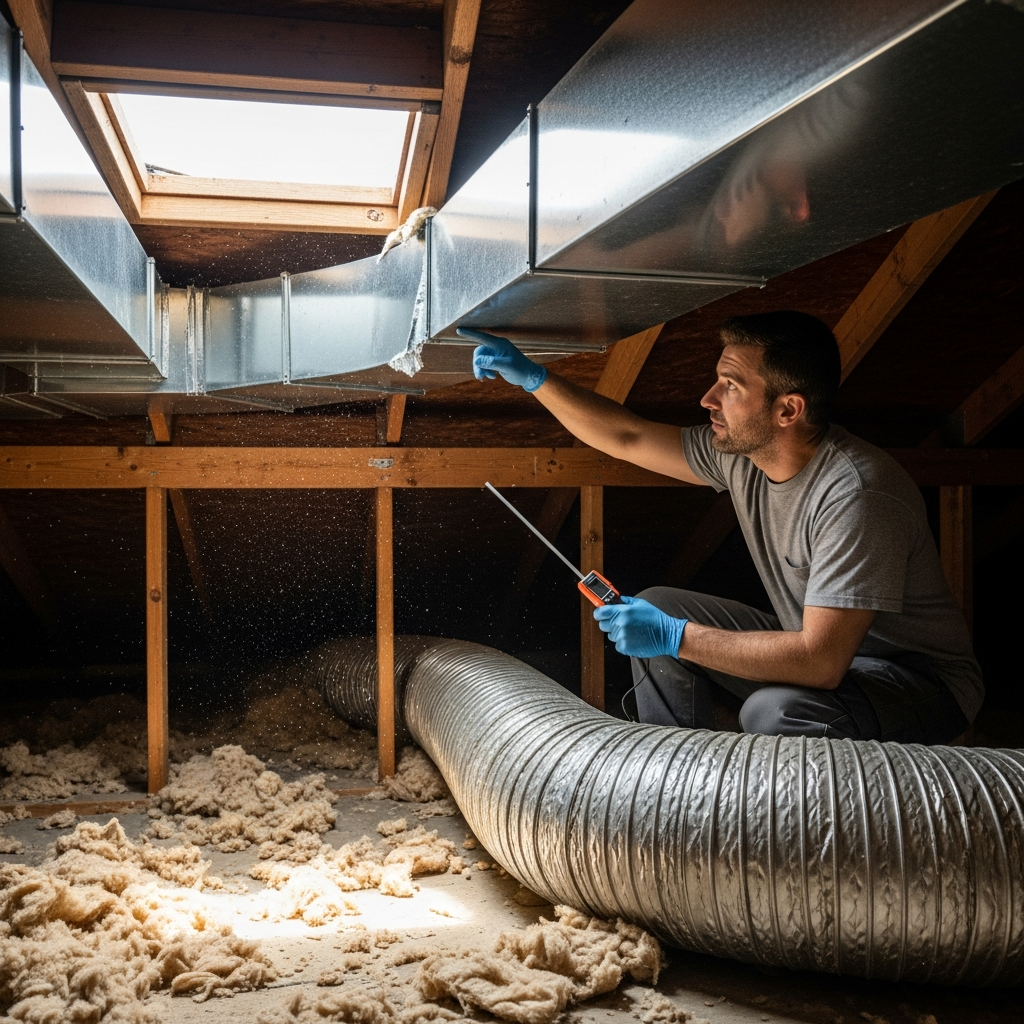
Understanding What Shapes Air Duct Repair Costs in Los Angeles
In Los Angeles, where our summers run hot, our marine layers cool certain neighborhoods, and our homes range from classic Spanish revivals to sleek hillside builds, the question of air duct repair cost is really a question about local conditions and house-by-house nuance. There is no single number that fits every home, because the work hinges on a series of tangible details: where the ducts are routed, how accessible they are, the materials used when the home was built or renovated, and the condition of connections that have lived through years of heat cycles, dust, and occasional seismic rattles. If you are beginning to research options, a knowledgeable local team that specializes in air duct repair can explain these factors clearly and help you plan with confidence.
Think of your duct system as a network that breathes for the house. Wherever that network is pinched, disconnected, or under-insulated, the equipment has to work harder, comfort becomes uneven, and indoor air may collect particulates from attics or crawlspaces. The scope of repair depends on diagnosing where that breathing is disrupted. A home with one leaky supply boot might need targeted sealing and reinforcement; an older ranch with undersized returns and slipping connections could call for a blend of sealing, supports, and some section replacements to truly make a difference.
How Los Angeles Homes Influence Scope
Los Angeles construction isn’t one-size-fits-all, and that’s exactly why two homes on the same street can require different repair plans. Many Mid-City and Westside homes hide ducts in shallow attics with tight clearances, which can add setup time and demand careful maneuvering to avoid damaging insulation and wiring. Hillside properties in the Valley or Hollywood Hills sometimes wind ducts through framed chases or under floors; those paths might be longer, involve more turns, and require strategic access points to reach key joints. Postwar bungalows often rely on flexible ducts installed decades apart, meaning a mix of ages and materials that may not respond the same way to the same sealing methods.
Material matters too. Sheet metal behaves differently from fiberboard or flexible duct. If your home includes older fiberboard plenums or transitions, the repair approach must protect those surfaces while still delivering a long-lived seal. Flexible duct, on the other hand, can be robust if the outer jacket is intact, the inner core is not crushed, and the supports are correctly spaced, but it can suffer if installers pulled it too tight or kinked it over framing. These details influence both the amount of work and the durability of the outcome.
Accessibility, Safety, and Preparation
Another driver of project scope is access. Some Los Angeles attics are shallow enough that technicians must belly-crawl; others are expansive but blistering hot by midafternoon in August, which affects how the day is scheduled. Crawlspaces can be tight, dusty, or obstructed by prior plumbing or electrical runs. Responsible crews plan protective coverings at the entry point, evaluate whether any stored items must be relocated, and set up safe temporary lighting. They also note any signs of wildlife intrusion, damaged insulation, or potential contaminants so that the right sequence of tasks is followed, keeping your living spaces clean and your family safe.
In multifamily buildings or properties with homeowners’ associations, coordination and documentation become part of the job. Clear communication about access times, parking, and noise-sensitive windows helps reduce friction. Where return chases or equipment closets share walls with neighboring units, the repair plan may include extra measures to control dust migration and to comply with building rules.
Diagnostic Work That Pays Off
The most reliable way to understand repair scope is through thoughtful testing, not guesswork. Visual inspections can reveal disconnected boots, failing tapes, or crushed flex runs, but airflow readings, pressure measurements, and temperature splits tell the fuller story. A technician may measure static pressure at the equipment to check for system strain, compare supply temperatures to returns to confirm effective heat exchange, and assess room-by-room delivery to uncover hidden bottlenecks. This diagnostic lens helps separate cosmetic fixes from the changes that actually improve comfort and reduce wasted energy.
In some cases, a duct leakage test quantifies how much conditioned air is escaping. Knowing whether the loss is localized or systemic helps prioritize tasks. When leakage is mostly at boots and takeoffs, targeted sealing and mechanical fasteners can be transformational. When losses appear at trunks or plenums, the discussion may include whether to rehabilitate those components or plan strategic replacements. A plan rooted in measured reality prevents the cycle of quick fixes that don’t hold up through a full Los Angeles summer.
Repair Methods and Their Fit
Sealing is the heart of most duct repair work, but not all seals are created equal. For accessible joints and seams, high-quality mastics applied with proper surface prep create a durable skin that remains resilient through temperature swings. UL-181 listed tapes, used correctly, can complement mastic in certain transitions, while cheap general-purpose tapes tend to fail. Mechanical fastening—screws at connections and metal straps for support—stops movement from vibration and keeps joints aligned, which is especially important in areas that experience subtle seismic shifts.
There are times when an aerosolized sealing approach is discussed, particularly for systems with numerous small leaks in hard-to-reach places. This method can be effective when used by trained teams and paired with verification testing, but it isn’t a universal solution. If ducts are torn, crushed, or missing insulation, physical repair or replacement of sections is still essential. The right method depends on the condition of the ducts, the access realities of your home, and the performance goals you set, whether that is even temperatures, quieter operation, or stronger delivery to distant rooms.
Local Climate and Environmental Considerations
Los Angeles weather patterns contribute to how ducts age. Heat in attics accelerates the breakdown of old adhesives and tapes. Coastal moisture can rust unprotected sheet metal, while inland dust and wildfire particulates can settle on insulation and infiltrate through gaps. Over time, movement from minor quakes can nudge connections just enough to start small separations that grow. Thoughtful repair accounts for these forces by using resilient materials, proper mechanical fastening, and attention to insulation continuity, so that the system is better equipped to ride out what our climate delivers.
If you live near canyons or in neighborhoods that see seasonal smoke, ensuring the return side is airtight becomes a priority. Leaky return ducts can pull in attic or crawlspace air, which then passes through the equipment and into your living spaces. Sealing returns is sometimes less visible than patching a torn supply, but it is just as pivotal in protecting indoor air quality and keeping equipment clean.
Planning, Logistics, and Home Life
Beyond the repair itself, a well-run project respects daily routines. In homes with small children or pets, scheduling and containment strategies matter. Setting realistic daily goals—such as completing all work in the attic before moving to a closet return—minimizes disruption. Good crews communicate what they will do, what dust control looks like, and how they will leave the space each evening. When equipment must be powered down for a period, teams plan around meal times and late afternoons, especially during warm spells, to keep everyone comfortable.
Documentation is part of the service a homeowner should expect. Photos of before-and-after conditions, notes on materials used, and a simple diagram of any reconfigured sections give you a record to keep. This transparency also supports future maintenance because the next pair of eyes will understand what was done and why.
Value Framed as Performance
When people ask what drives cost, the heart of the answer is performance. A repair plan that restores airflow, balances rooms, and stops outside air from intruding isn’t just a patch—it’s a recalibration of how the home breathes. That translates into steadier temperatures from front to back, equipment that doesn’t strain as much on hot September afternoons, and cleaner indoor air. Over the long run, that performance reduces wear on the system and can trim energy waste that accumulates quietly month by month.
In the middle of your research journey, it helps to remember that the best outcomes begin with clear goals. If your priority is comfort in a particular room, speak to that specifically. If you are planning other upgrades, like insulation or air sealing in the attic, coordinate the sequence so work doesn’t undo work. A seasoned Los Angeles team that focuses on Los Angeles air duct repair will help you navigate that puzzle so the pieces fit smoothly.
What a Thorough Estimate Includes
A thorough estimate reads like a mini roadmap. It should describe how the technician reached their conclusions, the methods recommended, and how success will be verified. For instance, if static pressure is currently high, the plan might explain how added return capacity will bring it into a healthier range. If key boots are leaky, the notes should show where they are and how access will be created without damaging finishes. Clarity in this document serves you because it enables apples-to-apples comparisons and reduces surprises on the day of the work.
Timelines vary, but most residential duct repairs fit into a day or two when work is concentrated in the attic or crawlspace. Larger or more complex homes may take longer, especially when coordination with other trades is wise. Either way, the essential ingredients are preparation, craftsmanship, and testing to confirm that what was promised was delivered.
Aftercare and Maintenance
Once your ducts are sealed and secure, gentle habits help preserve the gains. Keep filters changed at the recommended intervals so the return side remains clean and pressure stays in a healthy range. Be alert to new noises, unusual smells, or rooms that suddenly drift from the usual comfort—they can be early signals that something shifted. After any major seismic event or a significant renovation, a quick visual check of accessible areas can catch issues before they become bigger. Periodic follow-up testing offers peace of mind and ensures your investment continues to perform.
Frequently Asked Questions
How long does a typical repair take? For most single-family homes, targeted sealing and reinforcement can be completed in a day, while larger homes or projects that involve section replacements and balancing might span two to three days. The actual timeline depends on access, the number of problem areas, and whether complementary work, such as insulation adjustments, is included.
Will repairs make my home quieter? Often, yes. Properly sealed and supported ducts reduce whistling at gaps and vibration at loose connections. If noise is a specific concern, your technician can look for sharp turns or undersized grilles that contribute to whooshing and recommend changes that improve acoustics.
Do I need to vacate the house during repairs? In most cases, no. Crews typically isolate work areas and keep living spaces tidy. You may be asked to avoid certain rooms temporarily or plan for short periods without heating or cooling while testing is performed.
Can sealing improve indoor air quality? Sealing returns and supply connections helps keep attic and crawlspace air out of the system, reducing dust and particulates entering living spaces. Pairing duct repairs with proper filtration and good housekeeping habits amplifies air quality benefits over time.
What if parts of my system are too old to fix well? A candid assessment will flag components that are beyond reliable repair. Sometimes a short section replacement or a new plenum offers a smarter path than repeated patching. Your estimate should explain the rationale and the expected performance gains.
How will I know the repair worked? Before-and-after photos, pressure measurements, temperature readings, and your own comfort are the best indicators. If testing was part of the plan, ask to see the results in simple terms so you understand the improvement.
Ready for a More Comfortable, Efficient Home?
If you are weighing your options and want clear guidance tailored to your house and neighborhood, connect with a local team that lives and works in our climate every day. Start a conversation about your goals, learn how a focused plan can restore even temperatures, and see how a well-tuned system can make daily life feel easier. When you are ready to take the next step, reach out to schedule a visit with experts in professional air duct repair and feel the difference thoughtful craftsmanship makes.