
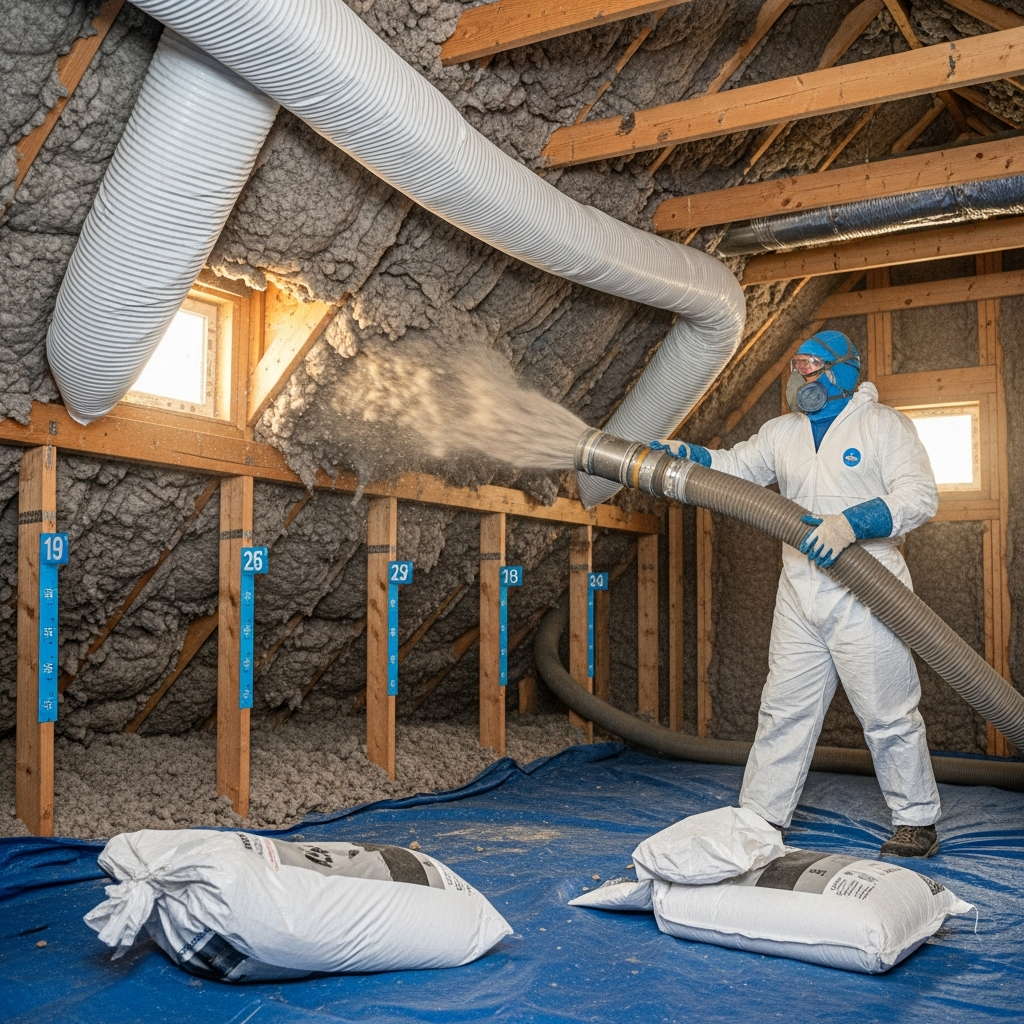
Why Blown-In Insulation Is a Los Angeles Favorite
When you peer into attics across Los Angeles—from Craftsman bungalows to modern rebuilds—you’ll often see a soft, continuous blanket of loose-fill insulation. Blown-in materials, whether fiberglass or cellulose, excel at blanketing irregular spaces without the gaps and compression that undermine batt performance. For homeowners weighing the cost of a blown-in upgrade, the conversation quickly moves beyond material to the preparation and detailing that make the installation sing. That’s because an even, dense layer only reaches its potential when the attic below is sealed against air leaks and the pathways for ventilation are protected.
Many Angelenos start exploring blown-in insulation because summer heat gathers in their attics and radiates into second-floor rooms, or because they’ve noticed dust streaks around can lights and ceiling vents. Early research often leads to local pros who specialize in insulation installation, where the focus shifts to diagnosing the attic as a system. The goal is to create a continuous thermal layer that works hand in hand with controlled ventilation, producing steadier indoor temperatures and a calmer, cleaner feel throughout the home.
What Drives the Cost of Blown-In Insulation
Think of a blown-in project as a sequence: protect access paths, remove or redistribute stored items, address air leaks, set baffles at eaves, establish depth markers, and then install material at the specified density. Each step is influenced by the condition of the attic. If old insulation is dirty or uneven, removal becomes part of the plan. If the attic houses ducts, bath fans, or recessed lights, those elements receive specific treatments to ensure safety and maintain airflow. Tight access, steep pitches, and complex trusses can slow the crew’s movement, while clean, open spaces invite efficiency.
Material choice also matters. Cellulose offers excellent coverage and can include high recycled content, while fiberglass loose-fill resists settling and is widely available. Both can deliver strong performance when installed to the right depth and density. The decision often rests on acoustic priorities, environmental preferences, and how the material interacts with your attic’s ventilation and moisture profile. An experienced installer will walk you through these tradeoffs so that the assembly performs predictably in our varied climate zones.
Air Sealing: The Unseen Hero
Before a single bag is opened, a thoughtful crew hunts down the leaks. Top plates where walls meet the attic, plumbing and electrical penetrations, and open chases can act like chimneys, pulling conditioned air into the attic and drawing dusty, hot air down into living spaces. Sealing these gaps with foam and caulk reduces that exchange dramatically. When the loose-fill goes in afterward, it isn’t just thick—it’s effective. Many homeowners are surprised by how much this step alone changes the feel of their home, especially in rooms that used to swing wildly in temperature through the day.
Can lights and bath fan housings deserve special mention. Depending on their type and rating, they may require protective covers to maintain safe clearances. The goal is to deliver a continuous blanket without creating hot spots or restricting ventilation. Good crews label these areas for future service and photograph the details for your records, so electricians or other trades have a clear map later on.
Ventilation and Baffles: Keeping Air Moving
Blown-in insulation performs best alongside steady, unobstructed airflow from soffits to ridge or roof vents. Baffles (also called chutes) preserve those channels at the eaves so that insulation doesn’t choke off the intake. In Los Angeles, where solar gain can push attic temperatures high on summer afternoons, this balanced ventilation protects your roof deck and helps prevent heat buildup that would otherwise overwhelm even thick insulation layers. The combination of thorough air sealing, proper baffles, and even coverage is what makes a blown-in assembly feel quiet, cool, and dependable.
Depth markers provide accountability. By installing rulers or flag markers throughout the attic, crews can demonstrate coverage and help you visualize the final result. Those markers also aid future adjustments, whether you choose to add more material down the road or need to shift some aside for a remodeling project.
Preparation, Access, and Cleanliness
A well-managed blown-in job is surprisingly tidy. High-capacity vacuums and sealed hoses control dust during removal. Pathways from the hatch to the attic are protected with runners and plastic sheeting. Equipment is staged to minimize trips, and storage areas are covered or temporarily relocated as needed. In older homes with delicate plaster or narrow hatches, extra time is spent on protection and safe movement. These practices aren’t just about courtesy—they ensure a cleaner, faster project with fewer callbacks and a result you can trust.
Access often dictates crew size and schedule. A small scuttle in a closet demands careful coordination, while a full-size ladder and platform speed the work. Complex truss layouts also affect the pace at which material can be distributed evenly to every corner. Your installer should walk you through how these site realities shape the plan so you know exactly what to expect on installation day.
Performance You Can Feel
The most immediate post-installation change homeowners report is a softer, steadier indoor climate. Afternoon peaks no longer race into living spaces, and nighttime temperatures don’t drop as abruptly. The AC runs more calmly, rooms under the attic stay usable all day, and even sound from traffic or air traffic softens. Dust often declines, too, because the air sealing step reduces the pathways that used to shuttle attic particulates inside. Over time, these benefits contribute to a home that simply feels easier to live in, season after season.
There’s a visual payoff as well. An attic with smooth, uniform coverage and clear markers sends a message: the work above the ceiling is as carefully crafted as the finishes below. That attention to detail not only supports comfort but also makes a strong case for future buyers who care about efficiency and maintenance.
Blown-In vs. Batts and Spray Foam
Each approach has its place. Batts can be effective in straightforward bays with easy access and minimal obstructions, but they are sensitive to gaps and compression. Spray foam excels at air sealing and can bring the attic into a semi-conditioned state when placed at the roofline, but it changes ventilation strategy and service access. Blown-in strikes a versatile middle ground for many Los Angeles attics, covering odd corners easily and layering over existing, clean material when appropriate. If your home presents unusual challenges—steep pitches, tight webs, or sensitive mechanicals—your installer will explain how each option would behave in that context.
In the middle of weighing options, it’s helpful to focus on the completeness of the proposed insulation installation rather than chasing a single product claim. The blend of air sealing, ventilation protection, and even coverage is what turns a specification into a living, breathing improvement you notice every day.
Frequently Asked Questions
Will blown-in insulation settle over time?
Modern loose-fill materials are installed to specified densities that account for minimal settling. When installed correctly with depth markers, the final level remains consistent and performance stays reliable.
Do I have to remove my old insulation first?
Not always. If the existing insulation is clean, dry, and evenly distributed, it can sometimes remain in place after air sealing, with new material added on top. Removal is recommended when there’s contamination, moisture history, or a patchwork that creates gaps.
How long does a typical blown-in job take?
Most single-family attics can be completed in a day once preparation is done. Complex access, removal, or extensive air sealing can add time, but a clear plan keeps the schedule predictable.
Will this help with dust and allergies?
Air sealing reduces pathways for attic particulates to enter the living space, which often results in less dust. While insulation is not a medical solution, many homeowners report a cleaner feel after the upgrade.
Is cellulose or fiberglass better?
Both can perform well when installed to the right depth and density. Cellulose offers strong coverage and recycled content; fiberglass is light, durable, and resists settling. The best choice depends on your goals and attic conditions.
Can I walk on my attic after blown-in insulation is installed?
You can access the attic carefully on designated platforms or joists, but avoid compressing the insulation. Your installer can create safe service pathways and mark key areas for future access.
If you’re ready to smooth out temperature swings and cultivate a quieter, more comfortable home, partner with a local team known for careful diagnostics and meticulous insulation installation. Reach out today to schedule your assessment and take the first step toward a cooler summer and a cozier winter under your own roof.