
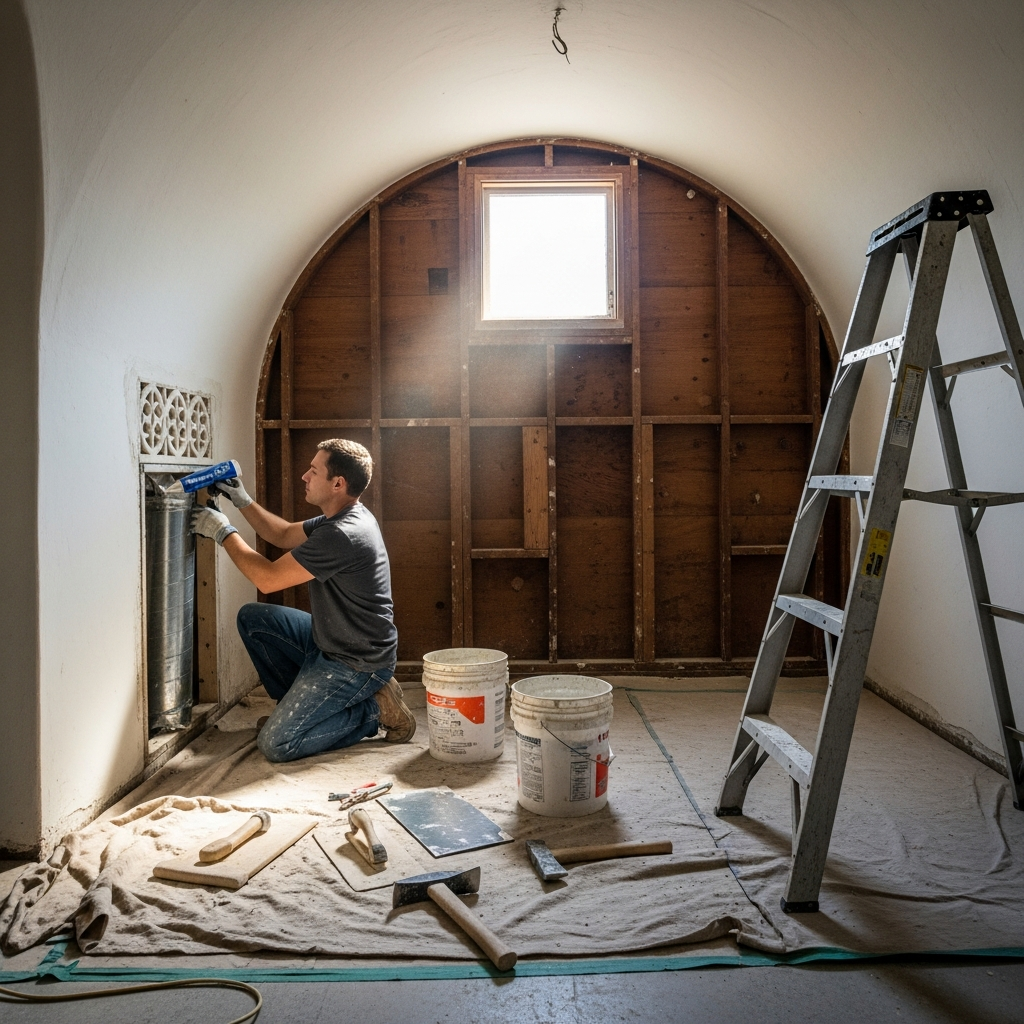
Older LA Homes Have a Different Story to Tell
Ask anyone who has worked across Los Angeles for a while, and they will tell you older homes have character—and challenges—that younger properties rarely present. From 1920s Spanish Colonial bungalows with thick plaster and arched ceilings to mid-century modern flats with low-slope roofs, the bones of these houses shape every decision during a duct replacement. Understanding how those bones affect planning, materials, and access will help you make sense of the overall investment, beyond any simplistic per-room or per-foot notion. As you begin to gather information, it is smart to read up on best practices for air duct replacement so your choices respect the architecture you love while delivering the comfort you deserve.
Many older LA homes began life without central air. Some relied on wall heaters or gravity furnaces, and ducts were added later. Over the decades, layers of renovation left a patchwork of routes through tight chases and around awkward framing. This history matters because it dictates how complex your replacement will be. Sometimes we discover ducts that squeeze through a sliver between joists, or runs that flatten under attic decking added sometime in the 1970s. Unwinding that story—without damaging original finishes—is a craft that separates a careful team from a rushed one.
Plaster, Lathe, and Beautiful Finishes
One reason older homes feel special is the tactile quality of plaster and traditional trim. Replacing boots or shifting register locations in these settings calls for delicate work. While the core goal is airtight, well-insulated connections, the method must respect surfaces. Often we can adapt existing openings with better-sealed boots and slightly tweaked angles for improved throw. In other cases, moving a register just a few inches lifts a chilly draft from a dining table or softens summer sun exposure from a west-facing window. The craftsmanship needed here shows up in your daily comfort—and in the fact that your walls and ceilings still look original when we are done.
Access is also different in vintage homes. Attics can be short and segmented by knee walls. Crawl spaces may be narrow or dotted with old supports. Careful staging, ample lighting, and safe temporary platforms let crews work methodically. That method matters because older materials—brittle plaster keys, vintage wiring, and delicate vents—demand respect. A proper plan avoids unlucky bumps and ensures ducts are supported without compressing insulation or abrading against framing.
Hidden Conditions and How They Affect Scope
Decades-old ductwork can hide plenty of surprises. We sometimes find runs wrapped in aged insulation that no longer performs, or connections sealed with tapes that have long since given up. Boot-to-wall joints often leak, pulling attic or wall air into the system. In some houses, branch runs were extended crudely during past remodels, creating kinks and pressure drops that starve far rooms. During a modern replacement, we address these issues with clean routing, robust sealing, and balanced distribution that matches how you actually live in the home today.
Return air strategies deserve a spotlight in older LA homes. Many operate with a single central return that is undersized for the equipment. That manifests as hallway noise, dusty filters that clog fast, and rooms that fail to receive their share of airflow. Upgrading to a larger return or adding additional return paths often becomes the keystone of the project. Placement and sizing are done with care to preserve plaster finishes and maintain the architectural lines that make your house feel like itself.
Material Choices Suited to Vintage Structures
There is no universal material that fits every vintage property. Often, a hybrid design works best: rigid metal for trunks that need to hold their shape over long straight runs, and carefully supported insulated flex for branches that snake through tight access points toward rooms. The priority is airflow and quiet operation. Mechanical fasteners, thorough mastic sealing, and insulation that retains its full rated thickness keep temperatures steady from the air handler to the farthest register.
Register style is another subtle but meaningful choice. Older grilles can be artful but restrictive. In some cases, updating to a less restrictive style while keeping the visual spirit aligns performance with aesthetics. And if you have a beloved decorative grille, a good team can often retain it while improving the hidden boot and connection behind it so the room gets the air it needs without whistling or rattling.
Why Balancing and Commissioning Matter Even More
Older homes have quirky thermal personalities. A breakfast nook with original steel casement windows might run cool in winter, while a back bedroom flooded with afternoon sun swelters in July. When we replace ducts, we do not just swap like-for-like; we rebalance for how you use the house now. That means measuring flows, adjusting dampers, and verifying supply temperatures at each register. The result is a home that finally feels coherent—temperature differences shrink and noise settles into a background hush.
It is also the perfect time to improve filtration. A properly sealed filter cabinet with the right media makes a significant difference in older homes that may have more natural infiltration. Combined with airtight returns, better filtration helps keep dust from wall cavities and attics from joining your indoor air.
Permits, Codes, and Respecting History
Permitting in Los Angeles aims to ensure safety and performance. Older materials or existing conditions sometimes trigger additional care steps. A reputable contractor will explain what inspections are required, how testing verifies performance, and how the plan protects historic details. The work sequence often includes meticulous prep to avoid disturbing fragile finishes, careful removal of old materials, and a methodical installation that checks each joint and support.
Respecting history also means planning routes that preserve original lines. We avoid visible soffits unless there is no better option, and when we must create a new chase, we do it with proportion and detail in mind. The dream is to deliver modern comfort without a trace of intrusion into your home’s character.
Common Pitfalls in Older Homes and How to Avoid Them
One pitfall is reusing undersized returns or constricted chases “because they’re there.” Another is ignoring room-by-room needs in favor of a quick like-for-like swap. The third is skimping on sealing around boots and penetrations, which can bring attic air, dust, and noise into living spaces. Each of these shortcuts undermines the very reason you are replacing ducts: to gain comfort, quiet, and healthier indoor air.
Thoughtful planning counters all three pitfalls. We measure, we model airflow, and we choose paths that minimize bends and compression. We also take the time to protect your finishes so the only difference you notice is how the home feels, not the scars of construction.
How the Process Unfolds
On day one, the crew walks you through the plan, protects floors and access routes, and begins gentle removal of old materials. We photograph hidden conditions and document final damper settings so you have a record of what lives above your ceilings. Installation proceeds with attention to support spacing, smooth transitions, and airtight seams. At the end, we verify with measurements and a walkthrough at each register so you can feel the change.
After the project, maintenance is simple: change filters on schedule, keep supply grilles clear of furniture and drapes, and check that returns are not blocked by large items. If you renovate later, having your duct layout documented makes small changes straightforward.
The Middle of the Journey: Design Choices That Pay Off
As you move from planning into installation, you will face a few pivotal choices. One is whether to relocate a register that has never quite served its room. Another is whether to add a second return to quiet the system and improve filtration capture. A third involves grille selection that honors the style of your home while reducing resistance. Each choice carries weight, and each can pay off for decades in daily comfort.
For a practical window into how these choices come together in real projects, explore insights on professional air duct replacement. Seeing examples of boot sealing, support strategies, and balancing approaches can help you have confident conversations with your contractor and steer the design toward your priorities.
FAQ
How do I know if my older home needs new ducts rather than repairs?
Signs include brittle duct board, long-standing air leaks around boots, crushed or kinked runs from past renovations, and rooms that stubbornly defy thermostat settings. A thorough assessment—including leakage testing and static pressure checks—can reveal whether strategic repairs would suffice or whether a redesigned system is the smarter path.
Can new ducts be installed without damaging plaster?
In most cases, yes. A careful team plans routes to reuse existing openings where possible, protects finishes, and works slowly at boots and grilles. When a small opening is necessary to relocate a register or enlarge a return, skilled patching and texture matching help preserve the original look.
Will the new system be quieter?
Properly sized trunks and branches, gentler transitions, and balanced airflow significantly reduce noise. Enlarge or additional returns often play a big role in quieting older systems that used to roar down a hallway.
How long does a typical project take in an older home?
Timelines vary with access conditions and scope. Tight attics or delicate finishes may extend the work slightly, but the extra care pays off in results and preservation of your home’s character. What matters most is steady, methodical progress and clear communication.
Can I keep my vintage grilles?
Often, yes. Many decorative grilles can remain in place while we improve the boot and connection behind them. If a grille is overly restrictive, we can discuss alternatives that keep the visual spirit while allowing freer airflow.
Will new ductwork improve indoor air quality?
Sealed returns, airtight boots, and a well-sealed filter cabinet reduce the amount of dust and attic air entering the system. Combined with appropriate filtration, most homeowners notice a cleaner feel and less dust settling after the upgrade.
If you are ready to bring modern comfort to a vintage treasure without compromising its charm, schedule a site visit with a local team that understands older LA homes. To see how a careful, code-compliant process preserves finishes while delivering even, quiet comfort, review resources on air duct replacement and book your in-home consultation. The right plan will honor your home’s history while making every room feel better, day in and day out.