
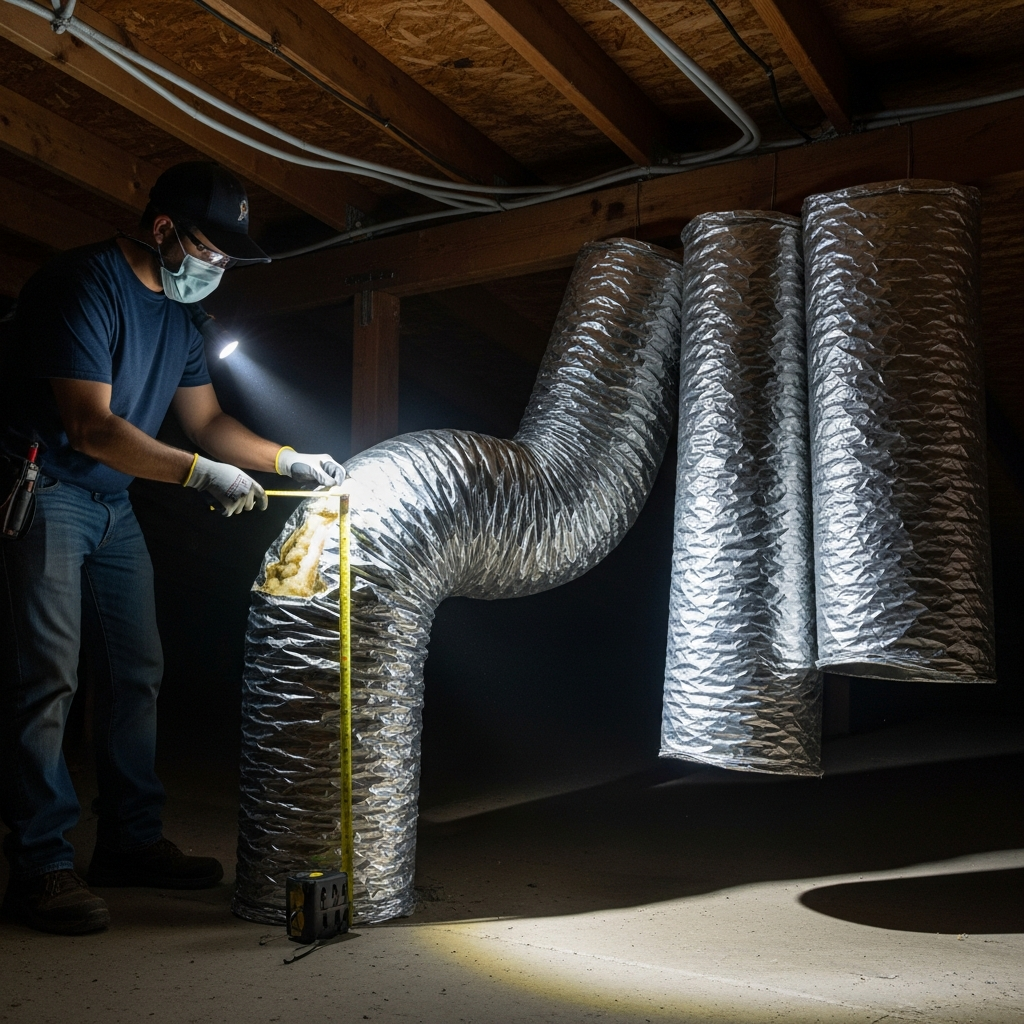
When a Fix Is Enough—and When It Is Time to Start Fresh
In Los Angeles, deciding between repairing existing ductwork and replacing it outright is not about a single symptom; it is about patterns. If your living room runs chilly in January and toasty in August while the hallway howls every time the system kicks on, you are getting clues. The question is whether those clues point to a localized issue—a crushed branch, a leaky boot—or to a systemic problem with sizing, layout, and returns. Looking through that lens helps you choose a path that delivers the comfort you want without spinning your wheels. If you are starting to weigh options, it helps to understand the fundamentals of professional air duct replacement so you can compare the benefits of targeted repairs against a comprehensive redesign.
Repairs shine when the underlying design is sound. For example, if a single flex run got stepped on during attic work and now kinks, replacing that segment can restore airflow. If a boot has pulled away from a wall cavity and draws dusty air, resealing it can clean things up quickly. These are specific problems with clear, tidy solutions.
Replacement becomes compelling when issues multiply or trace back to fundamental choices made long ago. Undersized returns, torturous routing through tight chases, and a patchwork of materials from past remodels often combine to choke airflow. In those cases, swapping a fitting or two will not change the daily experience. A redesigned system—with right-sized trunks, balanced branches, and sealed returns—transforms comfort in every room
Clues That Point Toward Repair
Short, visible problems lend themselves to repair. Think of a single branch that whistles, a bathroom register that barely moves air, or a connection that has loosened where a grill meets a wall. If the rest of the system breathes well, these one-off issues can be addressed surgically. After the fix, a quick balancing pass often brings the entire home back into harmony.
Another repair-worthy scenario is damage from a recent attic project—say, new lighting or low-voltage cables run with little regard for duct routing. If everything worked fine before and your symptoms appeared right after other work, there is a good chance that a targeted repair will solve it. The right team will still verify static pressure and inspect for other leaks to make sure you are not missing a broader problem.
Patterns That Suggest Replacement
Patterns are the giveaway. If multiple rooms have been stubbornly underperforming for years, your ducts may be starving for air. Undersized or poorly located returns often force the system to breathe through a straw, raising noise and lowering comfort. Likewise, if the attic or crawl space reveals a maze of long, kinked runs and sharp turns, you are asking the blower to work harder than it should. In such cases, a fresh layout simplifies paths, uses smoother fittings, and redistributes airflow where it actually serves your routines.
Noise is another hint. Whistling registers, rumbling trunks, and chattering grilles often come from high velocity through small openings or abrupt fittings. Replacing the layout with more generous sizing and gentler transitions usually calms the soundtrack of your system. During wildfire season or Santa Ana winds, the difference between a quiet, balanced system and a straining, leaky one is felt in both comfort and indoor air quality.
What a Thoughtful Assessment Looks Like
A good evaluation starts with conversation: which rooms frustrate you, what times of day are worst, and how you prefer to sleep—doors open or closed. Then comes measurement. Static pressure at the air handler offers a snapshot of how restricted the system is. Temperature readings at registers, visual inspections of supports and bends, and checks for leaks at boots round out the picture. With those findings, a pro can explain whether fixing a few points will move the needle or whether your home is a candidate for a new design.
When replacement is on the table, design takes center stage. The plan draws on room-by-room needs, not just square footage. It anticipates your routines—working from home, kids’ bedtimes, evening living room use—so supply and return strategies fit your life. It also considers access realities in LA attics and crawl spaces, planning supports and routes that avoid compression while keeping insulation at full thickness.
The Middle Ground: Phased Improvements
Sometimes the best answer is phased work. You might enlarge the main return and correct the worst route this season, then revisit secondary branches later. This approach acknowledges budget and timing while ensuring the biggest comfort gains arrive early. The key is to design the whole picture first, then stage the work so each phase plays nicely with the next.
To see how materials, sealing methods, and layout choices work together in a full upgrade—and to help you judge whether repairs or a fresh start will give you the most day-to-day benefit—take a moment to review guidance on professional air duct replacement. With that context, you will ask sharper questions and spot proposals that align with your goals.
Permits, Testing, and Verification
In Los Angeles, duct work often requires permits and testing to verify performance. Even for repair jobs, a conscientious contractor works to current standards for sealing and insulation. Replacement projects typically include duct leakage testing and commissioning to document airflow and temperatures. Those final checks protect your investment and give you confidence that the system you live with matches the system that was promised.
Verification is not just paperwork; it is a comfort check. You should feel smoother, quieter operation and more consistent temperatures, especially in problem rooms. Photos and notes on damper positions help you understand the system and make tiny seasonal tweaks if needed.
Comfort, Health, and the LA Context
Our city’s climate swings ask a lot from duct systems. Valley attics get hot, canyon nights can turn crisp, and coastal mornings may layer in cool dampness. Add seasonal smoke events, and the stakes for a tight, sealed system become clear. Repairs that target leaks at boots or crushed runs can make immediate differences in dust and comfort. Replacement that addresses returns, routing, and sealing can transform the daily feel of your home and how hard your equipment has to work.
It is also worth remembering that quiet matters. A system that whispers has a way of making your whole home feel calmer. It is one of the most appreciated results of a good design and a reason many homeowners choose replacement when noise has been a long-standing gripe.
What to Expect During Work
Whether you choose repair or replacement, expect protection of floors and access points, clear communication about the day’s plan, and a tidy wrap-up. For replacement, the steps include careful removal of old materials, installation with attention to supports and transitions, and final balancing to smooth out room-to-room differences. Your team should invite you to feel the changes at registers and share the measurements behind them.
FAQ
How do I decide between repair and replacement?
Look for patterns. If one room misbehaves, repairs may solve it. If many rooms struggle and noise is chronic, replacement likely offers the better outcome. A professional assessment with measurements will make the choice clear.
Will new ducts really change how my home feels?
Yes. Right-sized trunks, balanced branches, and sealed returns create calmer, more even temperatures. Many homeowners notice quieter operation and fewer drafts within days of commissioning.
Is permitting always required?
Often, yes, especially for replacement. Local jurisdictions in and around Los Angeles typically require permits and testing for duct systems to meet current standards. Your contractor should handle this and explain what to expect.
What if my attic or crawl space access is tight?
Good crews work within tight spaces every day. They plan supports to avoid compression, stage materials carefully, and protect finishes. In some cases, tight access may shape the layout or require creative routing to maintain performance.
Can I phase the work?
Absolutely. A whole-home design can be executed in stages, tackling the most impactful improvements first—often returns and the most constricted routes—then circling back to secondary branches later.
If you are ready to quiet the noise, even out room temperatures, and breathe easier, connect with a local team that will measure first, explain clearly, and stand behind the results. For a clear picture of what a complete, code-compliant redesign entails, explore resources on air duct replacement and schedule your in-home consultation. The right plan will meet your home where it is today and carry your comfort forward for years.