
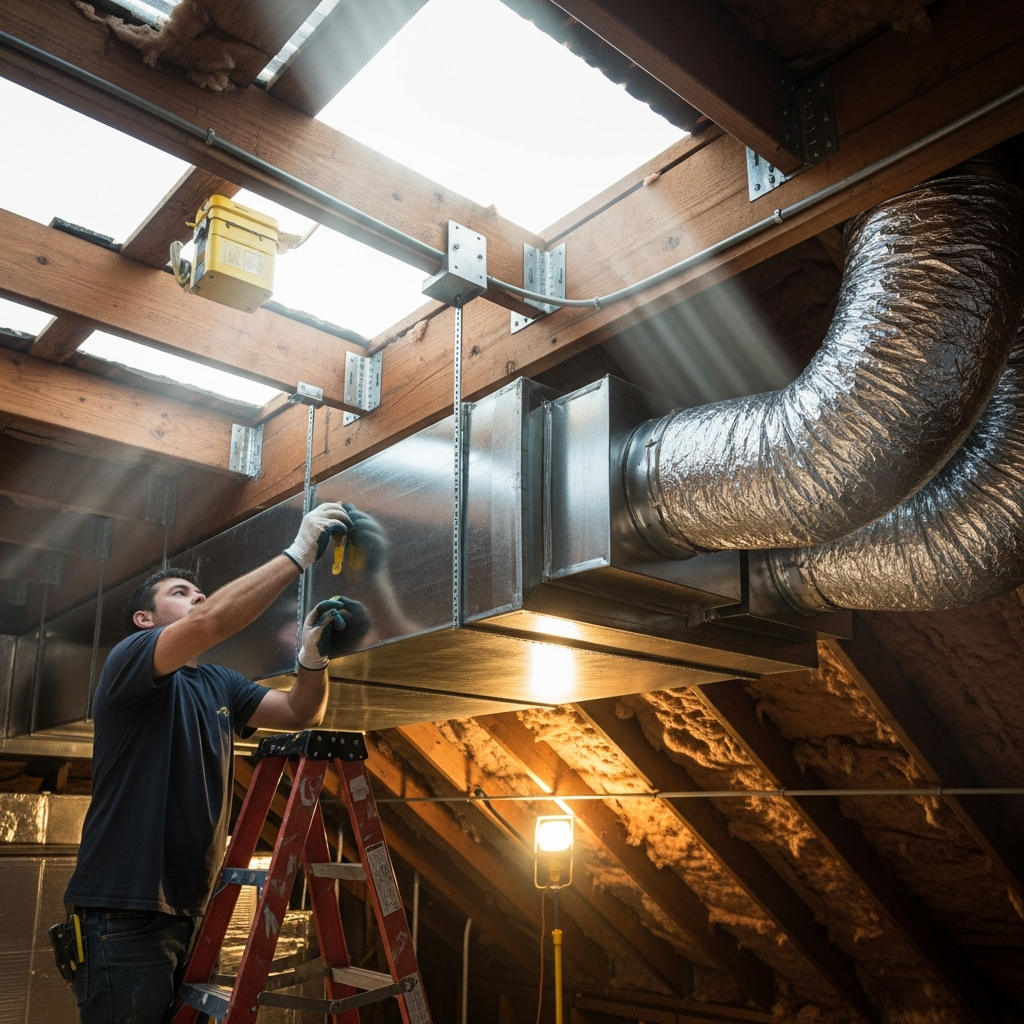
Understanding What Shapes the Investment in Los Angeles
When homeowners in Los Angeles ask what really drives the investment for replacing ductwork, I always begin with a local lens. Our homes span cozy bungalows tucked into canyon roads, mid-century gems that stretch across the Valley, and newer infill properties hugging narrow lots from Highland Park to West Adams. Each property’s structure, access points, and daily comfort demands influence the scope of work, and that scope—not a single line item—guides the overall investment. If you are just starting to research options, it helps to frame decisions around design, access, building code, and comfort goals rather than chasing a one-size-fits-all figure. Early in the process, read up on best practices for air duct replacement so you can connect the dots between the condition of your home and the results you want.
Los Angeles is a city of microclimates. A home in coastal Santa Monica deals with marine layer dampness, while a Glendale hillside property bakes in direct afternoon sun. That reality affects insulation needs around ducts, preferred materials, and airflow balancing strategies. On top of that, the age of a home and the original heating and cooling design (or lack thereof) determine how straightforward or complex the upgrade will be. Many older LA homes relied on wall heaters or gravity furnaces long before central systems became common; when ductwork was later added, it sometimes threaded through tight chases with awkward turns. All those twists and constraints matter because airflow efficiency and long-term durability depend on smart routing and carefully sealed connections.
Another foundation of the investment discussion is sizing. You might hear people talk about tons of cooling or CFM, but the practical takeaway is that your ducts must be designed to match the equipment and layout of your home. Undersized or oversized runs can create noise, room-to-room temperature swings, and unnecessary strain on your system. Right-sizing is not guesswork; it is a design process that looks at room-by-room loads, duct lengths, friction rates, and available static pressure. The quality of that design shows up in your comfort every single day, which is why reputable teams spend real time measuring and modeling before they ever pull old ducts.
Factors That Commonly Influence the Scope
Access is the first reality check. LA attics range from walkable and well-lit spaces to low, dusty wedges wedged under clay tile roofs. Crawl spaces can be tidy, or they can be home to decades of wiring and low-clearance beams that complicate movement. In tight quarters, crews need extra care to run ducts without kinking or compressing them. Safe staging, temporary platforms, and protective methods take planning—and good planning protects both the installation quality and your home.
Materials are the next consideration. You will see a range of duct types in the city: insulated flexible ducts, rigid metal trunks, and duct board plenums are common. The best choice for your home often blends these, using metal for long straight trunks and properly supported flex for branches into rooms. The thickness and quality of insulation matter too, especially in hotter interior valleys. A thoughtful mix maximizes airflow while keeping supply air temperatures steady from the air handler to the farthest register.
Vent boots and registers are deceptively important. Replacing a boot in a floor or a wall might require opening finishes, patching, and painting. In a plaster home from the 1930s, that can mean delicate work to preserve texture. Sometimes we can reuse a register location with a new boot and seal it to modern standards; other times, better comfort calls for relocating the register to improve throw and reduce drafts. These micro-decisions add up, and they explain why two similar-sized homes can have very different project scopes.
Then there are return-air strategies. Many LA homes operate with a single central return, often undersized for the equipment. That can make hallways loud and starve the blower for air, reducing efficiency. Upgrading returns, enlarging grilles, or adding additional return paths can be one of the most impactful changes you can make for even temperatures and quieter operation. It also supports cleaner indoor air because properly balanced returns help filters capture more particles rather than drawing unconditioned air from leaks.
Sealing and insulation are non-negotiable in our climate. Unsealed seams or compressed insulation can rob your system of performance, forcing longer run times to meet setpoints. The best crews methodically seal every joint, support lines to avoid sags, and insulate to prevent thermal loss across your attic or crawl space. Many homeowners feel the difference quickly—shorter cycles, fewer hot spots, and gentler noise profiles from registers.
Local Code, Permits, and Health Considerations
Our local building departments and energy codes aim to keep homes safe and efficient. In Los Angeles, that can mean required permits, duct leakage testing, and verification of insulation performance. Older materials may present special considerations; for example, some vintage duct wraps and attic components should be assessed before work begins to avoid disturbing hazardous materials. A reputable contractor navigates the permit process, coordinates inspections, and plans the work sequence so your project stays tidy and compliant.
It is also wise to consider indoor air quality goals. Wildfire smoke events and seasonal dust can challenge even well-sealed homes. When replacing ducts, it is the right moment to think about filtration upgrades, properly sealed filter cabinets, and return placement that keeps contaminants from being pulled through wall cavities. You might also revisit how many supplies are allocated to sleeping areas versus living spaces so that comfort closely matches how your family actually uses the home throughout the day and night.
Noise is another factor tied to good design. In older installations with abrupt transitions or tight boot angles, you might hear whistling or rumbling when the system ramps up. Smoother fittings, gradual transitions, and balanced airflow target quieter operation. If you work from home or have infants, husbanding for low noise can be as meaningful as temperature consistency.
How Homes Across LA Differ and Why It Matters
Spanish Revival homes in neighborhoods like Hancock Park often have thick plaster walls, arched ceilings, and limited chase space. Running new ducts without visible soffits is achievable but requires careful planning. Mid-century homes in the Valley might have long low-slope roofs with shallow attics; here, insulation and radiant heat from the roof deck change how you protect supply runs. In the hills, steep lots can restrict equipment placement, and access for crews becomes a logistical concern. Duplexes and multi-unit properties add questions about fire separation and shared spaces.
In each scenario, the aim is the same: provide smooth, sealed, insulated airflow with the right register placement. But the path to that aim shifts with every home’s bones. That is where a site visit earns its keep. The walk-through reveals the story your ductwork tells—where it leaks, where it pinches, where it could breathe better—and lets a designer shape a solution that feels custom without being complicated.
Timeline expectations deserve a moment, too. Replacing ducts is surgical work when done well. It typically involves protecting floors, setting up safe attic access, removing old materials, cleaning up pathways, and installing new trunks and branches with tested connections. The final steps often include balancing airflow, verifying temperatures at registers, and documenting results for your records. A steady, deliberate pace beats a rushed job every time.
The Middle Mile: Design Details That Pay Off
Mid-project decisions often separate good outcomes from great ones. One is register style. The right grille can change how air washes a room, reducing drafts on a sofa or improving sleep comfort by directing supply air away from a bed. Another is boot sealing strategy; mastic and appropriate tapes combined with mechanical fasteners produce durable, airtight joints. The details matter even more when ducts traverse hot attics in August or cool garages in January mornings.
Balancing is the other unsung hero. Once the ducts are installed, fine-tuning dampers and verifying flows to each room delivers the comfort you actually feel. A child’s room that ran hot all summer can settle comfortably when it gets its fair share of CFM. The living room that always chilled in winter can stop being a tug-of-war between the fireplace and the thermostat. This step is where the promise of new ductwork becomes tangible in daily life.
If you want a quick reference while you weigh your options and prioritize goals like quieter operation, cleaner air, and even temperatures, take a moment to explore resources on professional air duct replacement. Seeing how materials, sealing methods, and layout choices come together can help you ask sharper questions and guide the design toward what you care about most.
Common Pitfalls and How to Avoid Them
One pitfall is treating ducts like an afterthought to equipment. A high-efficiency furnace or heat pump cannot deliver comfort without an equally capable distribution system. Another misstep is chasing the shortest route from the air handler to the register rather than the best route. Gentle sweeps, balanced lengths, and consistent support create steady, quiet airflow that serves you better for years.
Skipping return upgrades is a third pitfall. When the system breathes more easily, everything improves—noise, filter performance, and temperature stability. Lastly, leaving boots or penetrations unsealed is an invitation for dust, attic air, and pests to join your indoor environment. Thoughtful sealing and insulation are the finishing touches that make a clean installation feel complete.
Energy, Comfort, and the Long View
Good ductwork pays you back in quiet ways: a thermostat that does not need constant fiddling, rooms that match each other within a few degrees, and a system that cycles with a gentle rhythm. Over time, reduced runtime and better filtration support lower wear on equipment and improved indoor air quality. In a city where summer afternoons can swing wildly between neighborhoods, the stability of a well-designed system becomes a daily pleasure.
Looking ahead, consider flexibility. If you plan to add a bedroom, convert a garage, or build a detached office, share those ideas during the design phase. Planning spare capacity into trunks or leaving chases accessible can make future changes far simpler. Likewise, document your final layout with photos and notes. Future you—or a future owner—will appreciate knowing exactly how the ducts run and where dampers live.
What to Expect During and After Installation
A considerate crew will walk you through the day’s plan, protect access routes, and communicate clearly about any hidden conditions discovered along the way. If unexpected obstacles pop up—say a concealed beam in a wall cavity—good teams propose alternatives and explain tradeoffs in plain language. They should also leave the space tidy each day, with old materials contained and walkways clear.
After completion, you should expect verification. That can include temperature checks at registers, static pressure measurements at the air handler, and visual inspection of supports, sealing, and insulation. It is also a good time to discuss maintenance: how to change filters, what seasonal considerations matter in your part of LA, and when to schedule a quick check if anything feels off in the first weeks of operation.
Bringing It All Together
The investment in new ductwork is about far more than swapping one material for another. It is about designing a quiet, clean, balanced system that respects the quirks of your home and the realities of Los Angeles living. When those pieces align—right sizing, careful routing, thorough sealing, smart returns—you feel the difference every time the system turns on.
FAQ
How do I know if my ducts truly need to be replaced?
Warning signs include rooms that never match the thermostat, persistent dust despite frequent cleaning, and noisy registers that sound like wind tunnels. Visual cues might include crushed or disconnected runs in the attic, brittle duct board, or evidence of long-term air leaks around boots. A professional assessment can test leakage, inspect for damage, and determine whether strategic repairs or a complete redesign will best meet your comfort goals.
Will new ductwork make my home quieter?
Often, yes. Proper sizing, smoother transitions, and balanced airflow reduce turbulence and whistling. Larger or additional returns can also drop noise significantly. The right register style and placement further calm the system so it sounds more like a gentle whoosh than a rush of air.
Is a permit required for duct replacement in Los Angeles?
In most cases, yes. Local jurisdictions require permits and may mandate testing to verify that new duct systems meet current standards. A qualified contractor handles the permit, coordinates inspections, and provides any documentation you need for your records.
How long does a typical project take?
Timelines vary with home size, access conditions, and scope, but many projects wrap up within a concise window once work begins. The schedule includes setup, removal, installation, balancing, and testing. What matters most is that each step is completed carefully to ensure long-term performance.
Can I improve indoor air quality during a duct upgrade?
Absolutely. This is the ideal time to improve filter cabinets, consider higher-grade filtration compatible with your system, and ensure returns are sealed to prevent pulling air from wall cavities. Proper sealing and insulation help keep outdoor contaminants, including seasonal smoke, from intruding into supply air.
What materials are best for Los Angeles homes?
There is no single best material for every situation. Many homes benefit from a hybrid approach: rigid metal for main trunks to maintain shape and airflow, and carefully supported, insulated flex for branches. The right choice depends on your layout, access, and design goals. What matters most is craftsmanship—airtight seams, proper supports, and insulation that maintains full thickness.
How should I prepare for the installation?
Clear access routes, secure pets, and discuss any special concerns like delicate landscaping near access points or rooms that must remain accessible during the day. Ask your contractor to outline the daily plan so you know when attic or crawl space work will be loudest or when short power interruptions might occur for equipment checks.
If you are ready to bring even, quiet comfort to every room and want guidance tailored to your neighborhood, your architecture, and your goals, reach out to a local pro you trust. To see what a thoughtful, code-compliant process looks like from start to finish, explore air duct replacement resources and schedule a site visit. When you are ready to move forward, schedule your in-home consultation today and let a well-crafted design turn daily comfort into a certainty.