
Step into an older Los Angeles home and you can almost feel the story in the framing, the soul in the rafters, and the afternoon sun filtering through clay tiles or weathered shingles. These character-rich houses—from 1920s Spanish Revivals in Hancock Park to Mid-Century gems in the Valley—hold a special place in the city’s architectural tapestry. Yet many still rely on outdated or missing attic insulation, a relic of an era before energy codes and comfort-driven upgrades. As a local who has crawled through more than a few LA attics, I’ve learned that a thoughtful approach to attic insulation installation is one of the most transformative improvements you can make to an older residence. Early in the planning stage, it helps to read up on the fundamentals of insulation installation so you know what to look for when evaluating your own space.
What makes Los Angeles unique is the way our microclimates shape the attic environment. In coastal neighborhoods from Santa Monica to San Pedro, morning marine layers can leave timbers damp, while inland valleys bake under persistent summer heat. Meanwhile, hillside communities like Silver Lake and Echo Park often feature quirky rooflines and tight eaves that complicate access. All of these variables influence material selection, ventilation strategies, and the best path to a lasting upgrade. The goal isn’t just warmth in winter and coolness in summer; it’s a consistent, draft-free home that treats your vintage plaster, hardwoods, and built-in cabinetry kindly over the decades to come.
Understanding the Character of Older Los Angeles Attics
Homes built before the late 1970s frequently have little to no insulation, or a thin layer that has slumped over time. You’ll see open bays, patchy batts, or the telltale gray of compacted cellulose that’s lost loft. In Tudor and Spanish Revival homes, narrow rafter spacing and sweeping hips can restrict installer movement. With Craftsman bungalows, quirky attic access doors, knee walls, and dormers add complexity. The roofs themselves may span from clay tile to wood shake to modern composition shingles laid over original decking, each influencing temperature swings inside the attic. Understanding these conditions is essential before a single bag of insulation is opened.
Another characteristic of older properties is the accumulation of time: forgotten knob-and-tube wiring remnant, outdated junction boxes, or roof repairs that left gaps. Even the best insulation won’t deliver its promise if air is streaming through unsealed penetrations or if wiring requires safety updates before coverage. A careful inspection and clear plan help safeguard the home’s fabric while creating a comfortable, efficient living environment.
Air Sealing Before Insulating
With vintage homes, air sealing is as critical as the insulation itself. Think of every ceiling light can, top-plate seam, vent, or plumbing stack as a mini chimney that can shuttle conditioned air straight into the attic. In our dry LA summers, that means expensive cooled air leaking out; in cooler months, heated air rides up and away. Sealing these bypasses with appropriate materials helps insulation perform to its full potential. It also minimizes dust movement, pollen infiltration, and the sort of attic-to-living-space communication that makes older houses feel drafty or uneven room to room.
Air sealing is especially important when there are interior walls that open into the attic void—common in bungalows and homes with knee-wall closets. Without sealing, blown insulation can simply fall into these cavities or get wind-washed by air currents. The result is uneven coverage and underperformance. Addressing these gaps first provides a stable foundation for the insulation layer to do its job.
Material Choices That Respect Historic Fabric
The best material for an older LA attic depends on accessibility, desired performance, and how the home is used. Loose-fill cellulose is a favorite for many older homes because it can flow around irregular framing, creating a continuous blanket. Modern cellulose, treated to resist pests and ignition, settles into nooks without the itch of fiberglass and can be topped up in the future as needed. Fiberglass, available as blown-in or batts, is widely used and offers consistent performance when installed to spec. Mineral wool batts handle heat and sound well and can be helpful near mechanical areas due to their density and fire resistance. Each has strengths, and a seasoned local installer will match the product to the attic’s quirks, not the other way around.
For homes with very tight rafter bays or limited access, targeted spray foam at specific transitions may be recommended to curb air leakage, with the main field of the attic insulated using blown materials. The key is a balanced system: block the leaks, deliver even coverage, and preserve ventilation so roof assemblies can dry out. In LA’s climate, that drying potential matters, particularly along the coast or canyon roads where afternoon breezes carry moisture.
Ventilation and Moisture Management
Ventilation in an older attic should be proactive, not an afterthought. Soffit vents, ridge vents, or gable vents can work in harmony to move hot air out and bring cooler, drier air in. Proper ventilation helps extend roof life and protects against moisture accumulation that can damage sheathing or invite mold. In coastal and canyon homes, where fog and evening dampness are common, you’ll want to confirm that insulation doesn’t block soffit vents and that baffles are in place to maintain a clear air path. The result is a comfortable living space and a calmer roof assembly that ages gracefully with fewer surprises.
Moisture also sneaks in from within the home through humid bathrooms and kitchens. Even if your house doesn’t suffer from the extreme cold that motivates vapor barriers elsewhere, good bath fans and ducting to the exterior help manage indoor humidity. Pair that with air sealing at the attic floor and the right ventilation plan, and you protect both the roof and your new insulation investment.
Electrical and Safety Considerations in Vintage Homes
It’s common to discover legacy wiring in older Los Angeles homes. Before adding insulation, a qualified electrician should address any unsafe conditions, ensuring that wiring and fixtures are appropriate for coverage. Recessed cans can be swapped for insulation-contact-rated models or safely boxed, and junctions should be secured and accessible. These steps make the installation safer and help you avoid callbacks later. While not every attic hides surprises, many do, and dealing with them methodically leads to a cleaner, more durable outcome.
If you’ve ever seen the dusty footprints of rodents or birds, you’re not alone. Attics can be transient highways for critters. Prior to insulating, cleaning and exclusion work keeps the new material pristine and the home healthier. Sealing entry points at eaves and vents matters as much as removing soiled material; think of it as resetting the attic to a stable, low-dust baseline before the insulation blanket goes in.
How Installation Differs in Los Angeles Microclimates
Beyond the central city, the Valley’s summer highs can press attics into triple digits for sustained hours, which emphasizes coverage depth and radiant heat control from the roof deck. Along the Westside, foggy mornings and breezy afternoons change the moisture profile, so balanced ventilation and careful soffit detailing take the spotlight. In the foothills of Pasadena and Glendale, it’s common to see complex framing and beautiful rooflines that challenge installers to deliver even results in tight corners. A local team that understands these nuances will tailor the plan for each neighborhood’s demands rather than applying a one-size-fits-all template.
In the middle of a project, homeowners sometimes ask whether it’s worth adding a radiant barrier. The answer depends on roof type, attic height, and how you use the home during peak summer. In hotter inland areas where AC runs hard, a radiant barrier at the roof deck can help reduce attic heat gain, while coastal homes may see more benefit from focused air sealing and consistent insulation depth. When you’re reviewing options, a quick refresher on insulation installation principles will help you weigh what’s meaningful for your specific structure.
The Installation Day Experience
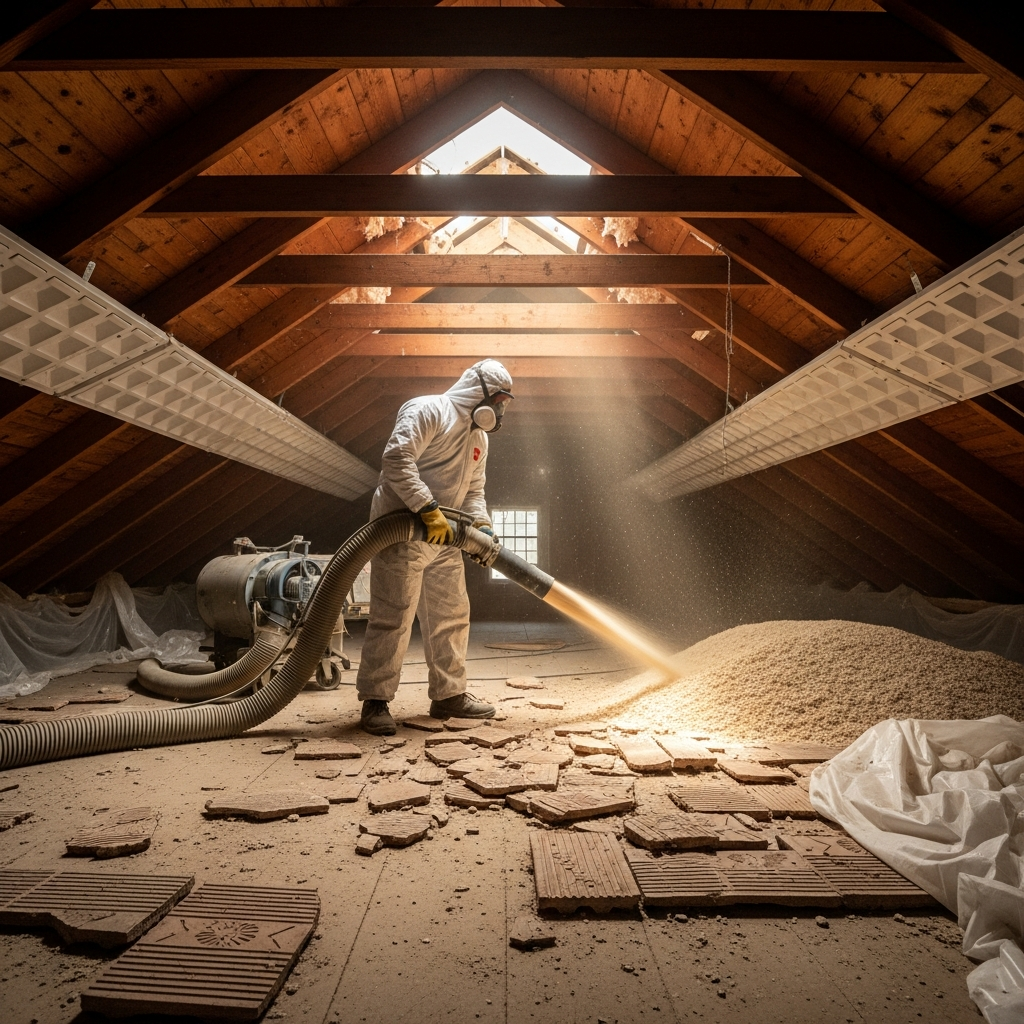
A well-run day begins with floor protection and clear staging for hoses and materials. Attic access is prepped to minimize dust migration to living areas. If blown-in insulation is used, installers will run hoses from the truck-mounted machine, then methodically blanket the attic floor, watching for recessed lights, baffles, and chases. Batts, when specified, are cut to fit snugly without compression. Throughout, the team checks for evenness, measures depth, and documents conditions. You should expect a walkthrough at day’s end, with photos of hard-to-reach corners and notes about any conditions addressed along the way.
After installation, most homeowners immediately notice a calmer home. Rooms equalize, the AC cycles less frequently, and winter mornings feel less bracing. Attic insulation won’t solve every comfort challenge—drafty windows, under-insulated walls, and leaky ducts still play their part—but it’s the backbone of a comprehensive plan. When the attic is dialed in, other improvements pay off faster and the home feels, quite simply, better.
Respecting the Home’s History While Embracing Performance
Los Angeles is a city of restorers, from craftsmen rebuilding porch columns to architects matching tile glazes. The beauty of a well-planned attic insulation project is that it respects the envelope’s outward appearance while dramatically boosting interior performance. There’s no need to alter a façade or replace character-defining features. Instead, you’re stewarding the hidden spaces, ensuring the home serves twenty-first-century life without losing its essence. That’s the sweet spot for any old-house lover: comfort, efficiency, and authenticity in harmony.
Signs Your Old Home Is Ready for an Attic Upgrade
Uneven room temperatures, excessive dust, a furnace or AC that seems to run constantly, or a persistent “hot ceiling” during late afternoons can all point to an underperforming attic. If you’ve noticed musty odors after damp weather, that can be a sign of poor ventilation or past roof leaks that warrant attention. Even newly purchased homes that feel charming but a bit tired often perk up dramatically after a thorough attic tune-up. The transformation isn’t flashy, but you’ll feel it every time you wake to a quieter, steadier home or open the utility bill and see smoother patterns.
Planning for the Long Term
Think of attic insulation as part of a roadmap. If you’re considering HVAC upgrades, duct sealing, window restoration, or solar, sequencing matters. Often, you’ll want to lock in the attic first so that equipment sizing, comfort strategies, and future projects start from a stable baseline. It’s also wise to budget a little time each year to peek at vents, confirm nothing has shifted, and keep the attic free of stored items that might compress the insulation. A little attention keeps the system humming for years.
FAQ
How do I know what insulation type is right for my older home? The choice depends on your attic’s access, framing style, moisture exposure, and ventilation. Blown-in cellulose or fiberglass often suits irregular spaces, while mineral wool batts can be ideal near mechanical zones. A local assessment helps ensure the product fits your attic’s geometry and microclimate.
Will new attic insulation change how my roof breathes? Properly designed systems maintain ventilation channels with baffles and keep soffit vents clear. The goal is to separate the living space from the attic’s air while preserving a steady roof airflow that supports drying and roof longevity.
Can I install insulation over old material? If existing material is clean, dry, and evenly distributed, topping up may be possible. However, many older attics benefit from removal when there’s contamination, rodent activity, or patchy coverage. A clean slate paired with air sealing usually delivers the best outcome.
What about recessed lights and wiring? Older cans and wiring often require updates or protective measures before coverage. Insulation-contact-rated fixtures, proper clearances, and accessible junction boxes are standard safety steps during a professional retrofit.
How soon will I feel the difference? Many households notice improvements immediately, especially during late-afternoon heat or chilly mornings. The home feels more even, systems cycle less, and noise from outside may soften slightly thanks to the added attic blanket.
If you’re ready to bring your older Los Angeles home up to modern comfort standards without losing its soul, now is a great time to act. Start by having a professional evaluate your attic, walk you through air sealing, ventilation, and material choices, and map out a clean, efficient installation. When you’re set to move forward, explore your options for local insulation installation, schedule a home visit, and get your project on the calendar. The sooner your attic is tuned, the sooner your cherished home will feel as lovely as it looks.