
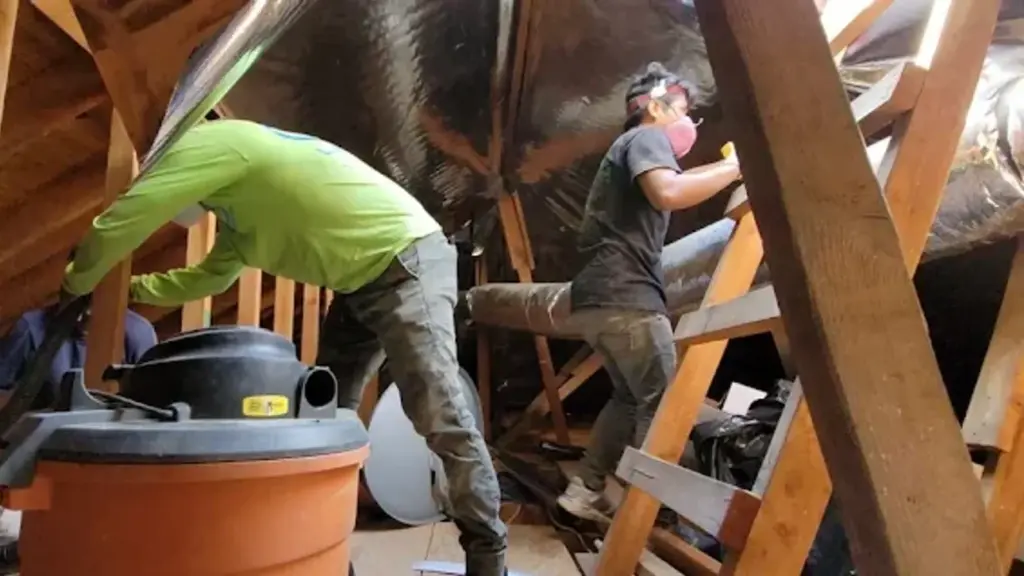
How to Choose Insulated Ductwork for Los Angeles and Camarillo Homes
Most people assume that any duct is a good duct as long as the air conditioning is blowing cold. The reality is more nuanced, especially in the greater Los Angeles basin and Ventura County, where attic temperatures can climb well above 140°F on a summer afternoon. In that environment, the material and insulation rating of your ductwork determines how much of your cooled air actually reaches the living space below versus bleeding away into superheated attic air. Choosing the right HVAC ducts for an LA-area home is not a one-size-fits-all decision, and this guide walks through the main options so you can evaluate them side by side.
If you have already noticed uneven cooling, sky-high utility bills, or rooms that never quite reach the thermostat setting, there is a good chance your existing duct system is part of the problem. The complete guide to attic duct replacement in Los Angeles and Camarillo covers how to evaluate whether replacement is the right call. Here we focus on the materials and specifications you would be choosing between once that decision is made.
The Southern California Attic Problem That Changes Everything
Before comparing duct types, it helps to understand why duct material selection is especially consequential in Los Angeles, Camarillo, and the surrounding communities. Homes throughout this region, particularly those built between the 1960s and 1990s, tend to sit on slab foundations or have unventilated attic spaces that trap radiant heat. The Santa Ana wind events that roll through Ventura County and the San Fernando Valley each fall add another layer of thermal stress, pushing attic temperatures even higher for days at a time.
Older homes in neighborhoods like Woodland Hills, Thousand Oaks, and Camarillo’s Springville area were frequently ducted with materials that met the standards of their era but were never designed for decades of repeated thermal cycling at these extremes. Flex duct installed in the 1980s degrades, sheet metal connections corrode, and vapor barriers crack. Meanwhile, California’s Title 24 energy code has steadily raised the bar on duct insulation requirements, meaning a duct system that was code-compliant at installation may now be a significant drag on efficiency. Understanding the local regulatory baseline is important: requirements vary, so confirming the current Title 24 minimum R-value for your specific project with a licensed contractor is always the right move before specifying materials.
The bottom line for LA and Camarillo homeowners is that duct insulation R-value is not a minor specification detail. It is the primary variable separating a system that performs well from one that wastes a meaningful portion of your HVAC output before the air even reaches a register.
Option 1: Flexible Duct (Flex Duct)
Flexible duct, often called flex duct, is the most common duct material found in Southern California attics installed over the last four decades. It consists of an inner plastic liner supported by a wire coil, surrounded by a fiberglass blanket, and wrapped in a reflective outer jacket. It is lightweight, relatively easy to route around framing and obstructions, and comes in insulation ratings typically ranging from R-4.2 to R-8.
When properly installed, modern flex duct at R-6 or R-8 performs well in attic environments. The critical qualifier is “properly installed.” Flex duct that is kinked, compressed, or run in long unsupported spans loses a significant portion of its rated airflow capacity. Installers who cut corners by leaving excess length in a coiled or sagging configuration are essentially installing a partially blocked duct. This is one of the most common issues found during inspections of existing flex duct systems in LA-area homes.
Flex duct is also more vulnerable to rodent damage than rigid alternatives. In Camarillo and the surrounding foothill communities, roof rats and other pests frequently nest in attic spaces, and the soft outer jacket of flex duct is an easy target. If rodent activity is present or has been present, recognizing the signs of compromised ductwork becomes especially important before deciding whether to repair or replace.
Best suited for: Shorter duct runs, tight routing situations, and projects where budget is a primary constraint, provided installation quality is carefully supervised.
Option 2: Rigid Fiberglass Duct Board
If you want it handled correctly the first time, consider professional air duct cleaning in Malibu.
Duct board is manufactured from compressed fiberglass and formed into rectangular duct sections. It is inherently insulating, with typical R-values in the R-6 to R-8 range built into the material itself, so there is no separate insulation wrap to install or maintain. The interior surface is relatively smooth, which supports good airflow, and the material does not conduct heat the way sheet metal does.
In Southern California attics, duct board has a meaningful advantage over bare sheet metal: because the insulation is integral, there are fewer seams where insulation can separate or slip over time. However, duct board is more labor-intensive to fabricate and install than flex duct, and it requires careful sealing at all joints with mastic sealant or approved tape to prevent conditioned air from escaping into the attic.
One consideration specific to the LA basin is seismic activity. Duct board systems, particularly longer runs, need adequate support and flexible connections at equipment interfaces so that minor seismic movement does not crack joints or pull connections apart. A licensed HVAC contractor familiar with California’s seismic requirements will account for this in the design.
Best suited for: Homes with accessible attic space and relatively straight duct runs where the long-term durability of an integral-insulation system is valued.
Option 3: Sheet Metal Duct with External Insulation Wrap
Galvanized sheet metal duct is the most durable duct material available and has been the standard in commercial construction for decades. In residential applications, bare sheet metal is installed and then wrapped with a separate insulation blanket, typically fiberglass batt with a foil facing, achieving R-6 to R-8 depending on the wrap thickness specified.
The durability advantage of sheet metal is real. It does not degrade from UV exposure, it resists rodent damage far better than flex duct, and a well-fabricated sheet metal system can last the life of the home. For older Los Angeles homes that have already gone through two or three rounds of flex duct replacement, sheet metal is often the more economical long-term choice even if the initial installation runs higher.
The trade-off is that sheet metal is a thermal conductor. If the external insulation wrap is installed sloppily, with gaps at seams or areas where the wrap has slipped, the metal surface radiates heat directly into the conditioned air stream. Proper installation of the insulation wrap is therefore just as important as the duct fabrication itself. Mastic sealing at all joints before the wrap goes on is non-negotiable for performance in an LA attic environment.
Sheet metal also requires more skilled labor to fabricate and install, which is reflected in project timelines. For homeowners weighing the overall investment, understanding what drives ductwork replacement costs helps put the material choice in a realistic financial context.
Best suited for: Larger homes with complex duct systems, homes with a history of rodent intrusion, and situations where long-term durability is the priority.
Option 4: Hybrid Systems
Many Malibu homeowners rely on expert air duct cleaning in Malibu for exactly this.
Many well-designed duct systems in Southern California use a combination of materials rather than a single type throughout. A common approach is to use sheet metal for the main trunk lines, where rigidity and durability matter most, and transition to flex duct for the final branch runs to individual registers. This captures the durability of metal on the high-pressure portions of the system while using the flexibility of flex duct to navigate around framing and reach register locations efficiently.
Hybrid systems require careful design so that the transition points are properly sealed and supported. They also require a contractor who understands both material types and can size each segment correctly for balanced airflow. When done well, a hybrid approach often delivers the best combination of performance, durability, and installation practicality for the varied attic configurations found across LA County and Ventura County homes.
Best suited for: Homes with complex attic geometry, situations where the trunk lines are being replaced but some branch runs are in good condition, or projects where a staged approach makes sense.
Duct Type Comparison at a Glance
| Criterion | Flex Duct | Fiberglass Duct Board | Sheet Metal + Wrap | Hybrid System |
|---|---|---|---|---|
| Typical R-Value Range | R-4.2 to R-8 | R-6 to R-8 (integral) | R-6 to R-8 (wrap dependent) | Varies by segment |
| Rodent Resistance | Low | Moderate | High | High (trunk) / Low (branch) |
| Installation Flexibility | High | Moderate | Low | High |
| Long-Term Durability | Moderate (install-dependent) | Good | Excellent | Excellent (trunk) / Moderate (branch) |
| Seismic Suitability (CA) | Good (flexible by nature) | Moderate (needs supports) | Good (with flex connectors) | Good (designed-in flexibility) |
| Airflow Sensitivity to Installation Quality | Very High | Moderate | Low | Moderate |
Which Duct Type Is Right for Los Angeles and Camarillo Homes?
There is no single correct answer, but there are patterns that emerge from the realities of the local housing stock and climate.
For homes built before 1990 with original or once-replaced flex duct, the combination of age, thermal cycling, and likely rodent exposure often makes a full replacement worthwhile rather than patching what is there. In those situations, upgrading to a sheet metal trunk with properly installed R-8 flex branch runs, or a full sheet metal system, typically delivers the most durable outcome.
For homes built after 2000 where the existing flex duct is in reasonable structural condition but underperforming, the issue is often installation quality rather than material failure. A thorough inspection may reveal that resealing connections and correcting sagging runs restores most of the system’s rated performance, with full replacement deferred.
In Camarillo specifically, where the combination of warm inland temperatures and occasional high-wind events creates above-average thermal stress on attic systems, specifying R-8 rather than the minimum R-6 is a reasonable choice for any new installation. The incremental material difference is modest relative to the long-term performance gain in an attic that regularly reaches extreme temperatures.
Ready for the next step? Learn how air duct cleaning services in Malibu can help and reach out to the team.
Regardless of material choice, duct performance is closely tied to the attic insulation surrounding the system. Even a perfectly installed R-8 duct run loses efficiency when it passes through an attic with inadequate insulation, because the ambient temperature around the duct climbs higher than it should. This is why the evaluation process for attic duct replacement should always include an assessment of existing insulation levels, and why many homeowners find that addressing both systems together produces the most noticeable improvement in comfort and energy performance.
If you are also considering what the post-installation experience looks like, what to expect after new attic ducts are installed gives a practical picture of the timeline and results.
Frequently Asked Questions
What R-value should I specify for duct insulation in the Los Angeles area?
California’s Title 24 energy code sets minimum requirements that have increased over successive code cycles, and the current minimum for attic duct runs in climate zones covering most of LA County and Ventura County is R-6, though R-8 is increasingly common in new construction and full replacement projects. Because code requirements can vary by climate zone and project type, confirming the applicable minimum with your contractor before finalizing specifications is the safest approach.
How long does flex duct typically last in a Southern California attic?
Properly installed flex duct in a well-ventilated attic can remain functional for 15 to 25 years, though the extreme attic temperatures common in the LA basin and Camarillo tend to accelerate degradation of the plastic inner liner and outer jacket. Systems installed in poorly ventilated attics or those that have experienced rodent activity often show significant deterioration well before the 20-year mark.
Does duct material choice affect my HVAC equipment warranty?
Some HVAC equipment manufacturers specify minimum duct system requirements in their warranty terms, including airflow and static pressure ranges. Installing undersized or poorly sealed ductwork can in some cases affect warranty coverage. Reviewing the equipment manufacturer’s specifications and having a licensed contractor confirm compatibility is worthwhile before any duct replacement project.
Is sheet metal duct worth the additional installation complexity for a residential home?
For homes with a history of rodent intrusion, large attic footprints with long duct runs, or owners who plan to stay in the home for many years, the durability advantage of sheet metal often justifies the additional upfront effort. For smaller homes with shorter, simpler duct runs and no pest history, properly installed R-8 flex duct can deliver comparable performance at a more straightforward installation.
Can I replace just part of my duct system, or does it need to be all at once?
Partial replacement is technically possible and sometimes the right call, particularly when only specific sections show damage while the rest of the system is in good condition. However, mixing old and new duct materials requires careful attention to sizing and sealing at transition points to avoid creating pressure imbalances or air leakage. A full system inspection is the best starting point for determining whether partial or full replacement makes more sense for a given home.
How does attic insulation relate to duct performance?
Attic insulation and ductwork are interdependent systems. Insufficient insulation allows attic temperatures to climb higher, which increases the thermal load on any duct running through that space regardless of the duct’s own R-value. Upgrading ductwork while leaving inadequate insulation in place limits the performance gain; addressing both together typically produces a more significant and lasting improvement in home comfort.
Ready to Evaluate Your Options?
Choosing the right ductwork for a Los Angeles or Camarillo home involves more than picking a material off a list. It requires understanding the specific attic conditions, the age and layout of the existing system, and how the duct choice interacts with insulation levels and HVAC equipment. LA Attic Pro works with homeowners across the region to assess existing systems and recommend solutions that are matched to the actual conditions in each attic. Reach out to schedule an inspection and get a clear picture of what your home’s duct system actually needs.