
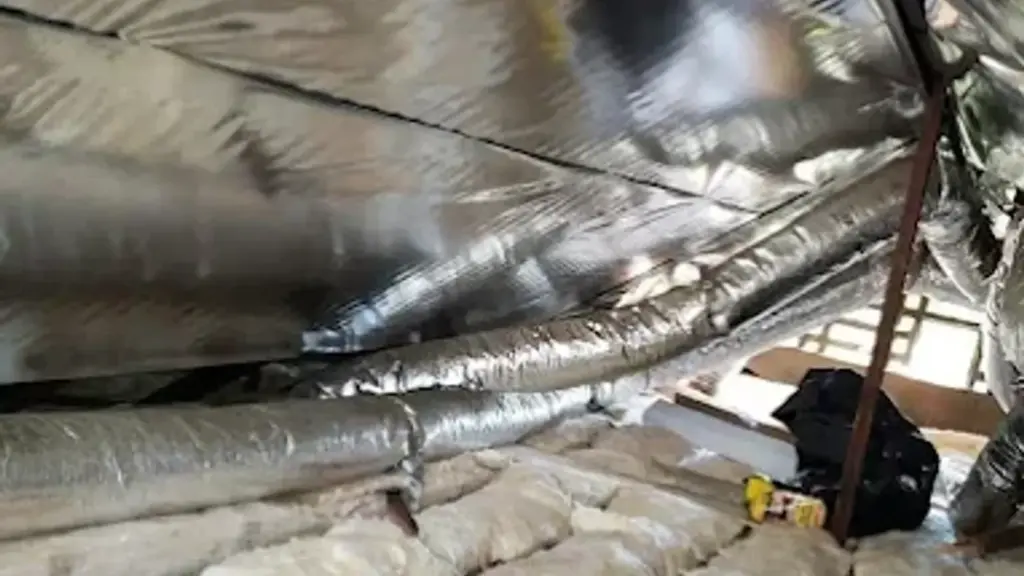
How to Maintain Your New Attic Ducts and Insulation in Los Angeles
That first summer after a full attic upgrade, you notice it: the upstairs rooms actually cool down. The registers push steady, even air instead of a lukewarm trickle. Keeping that performance intact in a Los Angeles home takes a little ongoing attention, because the same conditions that wore out your old system will keep working on the new one. This checklist gives you a practical, room-by-room rhythm for protecting your investment long after installation day.
Monthly and Seasonal Quick-Checks
- Walk each supply and return register in your home and hold your hand near the grille while the system runs. Noticeably weak airflow from a single register can signal a developing duct issue before it becomes a larger problem.
- Replace or inspect your HVAC filter on the schedule the manufacturer recommends, typically every one to three months. A clogged filter forces the system to work harder and can stress duct connections over time.
- Check your thermostat readings against a separate indoor thermometer. A persistent gap between set temperature and actual room temperature is worth noting for your next professional inspection.
- Listen for any new rattling, whistling, or hissing sounds when the system starts up or shuts down. These sounds often point to a loose duct joint or a collar that has shifted.
- Glance at accessible duct runs in any open attic hatch or pull-down stair. Look for obvious sags, disconnected flex duct sections, or insulation that has slipped off a duct surface.
- After heavy Santa Ana wind events or storms, check that attic vents and soffit screens are still intact. Debris and pressure changes can shift lightweight insulation batts or disturb blown-in material near vent openings.
Annual Professional Inspection Checklist
- Schedule a full attic inspection at least once a year. Post-installation care works best when a trained technician can spot what a homeowner cannot see from a hatch opening.
- Ask the technician to check all duct connection points, including where flex duct attaches to rigid plenums and at every branch takeoff, for signs of loosening or tape failure.
- Request a visual check of duct insulation wrap. Flex duct insulation jackets can be punctured by foot traffic, pest activity, or shifting attic contents.
- Have the technician verify that blown-in or batt insulation has maintained consistent depth across the attic floor. Settling is normal over time, and areas near hatches or vents are most prone to thinning.
- Ask for a check of attic ventilation, including ridge vents, soffit vents, and any powered attic fans. Proper airflow through the attic space reduces the thermal load on both insulation and ductwork.
- If your home has a radiant barrier installed, confirm it has not torn or detached from rafter faces. A damaged radiant barrier loses much of its effectiveness during peak summer heat.
- Review the inspection findings against the original installation report so you can track any changes year over year.
If the annual check reveals signs that something has gone wrong with the ductwork itself, the detailed symptom guide at identifying early duct damage can help you understand what you are looking at before deciding on next steps.
If you want it handled correctly the first time, consider professional duct replacement in Malibu.
Pest Prevention and Rodent-Proofing Maintenance
- Inspect the exterior of your home at least twice a year for any gaps, cracks, or openings larger than a quarter inch at the roofline, eaves, utility penetrations, and foundation vents. Rodents can enter through surprisingly small openings.
- Check that all attic vent screens are intact and securely fastened. Torn or rusted screens are a common entry point and are inexpensive to replace before a problem starts.
- Look for droppings, chewed insulation, or nesting material during any attic visit. Early detection keeps a minor rodent issue from escalating into full duct damage or insulation contamination.
- Keep tree branches trimmed back from the roofline. Overhanging limbs give rodents a direct path to the roof and attic vents without touching the ground.
- Store any items in the attic in hard-sided containers rather than cardboard boxes. Cardboard is both nesting material and an attractant for rodents looking for shelter.
- If you notice evidence of pest activity, address it promptly. Rodents that nest in insulation can chew through flex duct jacketing and even the inner liner, creating air leaks that undo the efficiency gains from your attic duct replacement.
- After any pest remediation, confirm that the affected insulation and duct sections are assessed for damage before closing up the attic again.
Protecting Insulation Depth and Coverage
- Avoid storing heavy items directly on the attic floor insulation. Compressing blown-in cellulose or fiberglass reduces its R-value, and that lost performance is not visible from below.
- If you need to walk in the attic for any reason, use attic walkboards or temporary plywood panels to distribute your weight. Stepping directly on insulation compacts it and can crack older drywall below.
- After any attic work by another trade, such as a plumber or electrician, confirm that insulation was not disturbed or left piled against the eaves. Blocking soffit vents with insulation creates hot spots and moisture buildup.
- Check that insulation depth markers, if installed, are still readable. These simple rulers help you and any technician quickly assess whether depth has changed since installation.
- If you add recessed lighting or ceiling fans after your insulation installation, use only fixtures rated for insulation contact (IC-rated). Non-IC fixtures require a clearance gap that creates a thermal bypass.
- Note any areas where the ceiling feels noticeably warmer or cooler than adjacent surfaces during extreme weather. Thermal anomalies at the ceiling often correspond to thin or displaced insulation above.
Many Malibu homeowners rely on expert duct replacement in Malibu for exactly this.
Los Angeles-Specific Considerations
- Santa Ana wind seasons, typically late summer through early winter, drive extremely dry, hot air through the region. During these periods, attic temperatures can spike dramatically, putting extra stress on duct connections and insulation that was installed in milder conditions. A post-Santa-Ana walkthrough is worth adding to your calendar.
- Los Angeles County has a significant population of older homes built before modern duct sealing standards were adopted. If your home is a mid-century bungalow or a post-war ranch, the surrounding duct infrastructure (plenums, wall chases) may need more frequent attention than newer construction.
- The region’s mild winters mean HVAC systems often run in heating mode less frequently than in colder climates, but that also means problems can go unnoticed longer. A brief heating-season test run in the fall is a good habit before temperatures drop.
- Wildfire smoke events have become a recurring seasonal reality across the greater Los Angeles area. After a significant smoke event, inspect or replace HVAC filters promptly. Fine particulate infiltration can accelerate filter clogging and, over time, deposit residue inside duct liners.
- Coastal neighborhoods from the South Bay to the San Fernando Valley edge experience higher humidity than inland areas. Elevated moisture levels can affect the adhesive on duct tape used at connections and may accelerate minor rust on metal duct components. If your home is within a few miles of the coast, annual duct inspections are particularly valuable.
- California Title 24 energy code requirements apply to duct system work, and local permit requirements vary by jurisdiction within the county. When any future duct repair or modification is needed, confirm with your contractor that the work meets current California Building Energy Efficiency Standards. Requirements can change, so relying on a licensed local professional rather than a general reference is the safest approach.
- The region’s persistent drought conditions affect soil stability, which can cause minor foundation shifts in older homes. Shifting framing can put stress on rigid duct sections or pull flex duct at connection points. If your home has had any noticeable settling, include a duct-connection check in your next inspection.
HVAC System Coordination
- Coordinate your attic inspections with your HVAC system’s annual tune-up. The technician servicing the air handler can often flag airflow or pressure readings that suggest a duct issue, and the timing keeps both systems in sync.
- If you upgrade your HVAC equipment after your duct installation, confirm that the new system’s airflow specifications match the duct sizing already in place. An oversized or undersized air handler relative to the duct network can create pressure imbalances that stress connections.
- Keep a simple maintenance log noting inspection dates, filter change dates, and any observations. A short written record helps future technicians understand the history of the system and spot patterns that would otherwise be invisible.
- Ask your service technician about static pressure readings during tune-ups. Elevated static pressure across the duct system is one of the earliest measurable signs that something is restricting airflow, whether from a partial blockage, a collapsed flex section, or a connection that has started to separate.
- If you are weighing whether a future issue warrants repair versus a more comprehensive approach, the factors covered in what drives duct and insulation project costs can help you frame those conversations with a contractor.
Frequently Asked Questions
Ready for the next step? Learn how duct replacement services in Malibu can help and reach out to the team.
How soon after installation should I schedule my first follow-up inspection?
Most installers recommend a check at the six-to-twelve month mark after a full attic duct and insulation project. This first inspection catches any settling, minor connection shifts, or insulation displacement that can occur as the system goes through its first full heating and cooling cycle in Los Angeles conditions.
Can I improve insulation performance without replacing the ducts again?
Yes, in many cases. If the ductwork is in good condition, adding insulation depth over an existing attic floor or addressing specific thin spots can meaningfully improve thermal performance without disturbing the duct system. A professional assessment will identify whether the ducts or the insulation layer are the limiting factor before any work begins.
How do I know if my attic insulation has lost R-value over time?
The most practical indicator is a noticeable change in how consistently your home holds temperature compared to when the insulation was new. A technician can also measure insulation depth against the original installation specification. Significant settling, pest disturbance, or moisture intrusion are the most common reasons insulation loses effective R-value in Los Angeles attics.
Consistent, low-effort maintenance is what keeps a well-executed attic upgrade performing the way it did on day one. If a routine check turns up something that needs a professional look, the team at LA Attic Pro is ready to help Los Angeles homeowners protect their attic systems. Contact us to schedule an inspection or to ask about our ongoing attic maintenance services.