
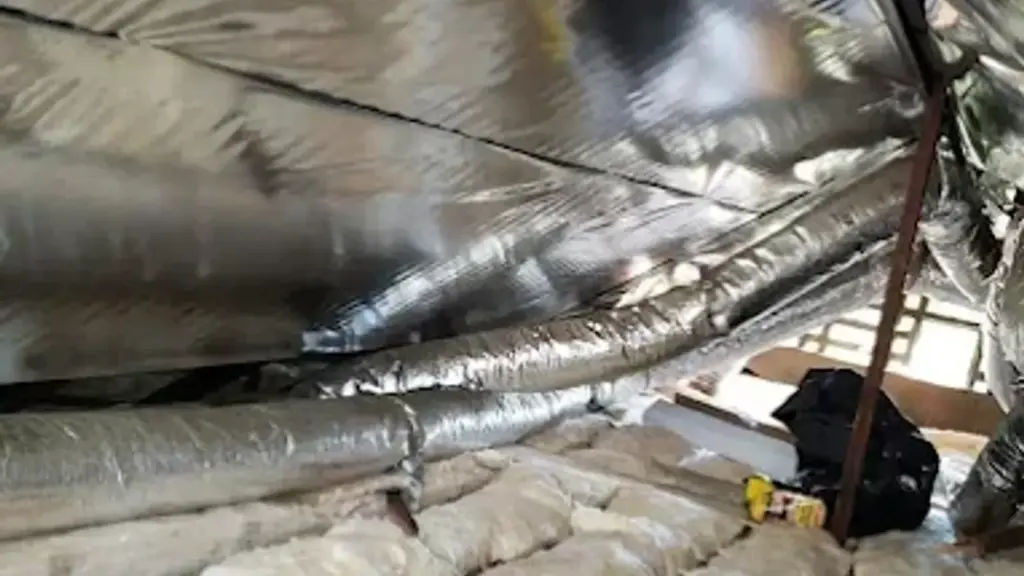
Signs Your Los Angeles Attic Ducts and Insulation Need Help
What does it mean when one bedroom in your Los Angeles home feels like a sauna in August while the living room stays perfectly cool? It usually means something has gone wrong above the ceiling. Damaged attic insulation or failing ductwork is one of the most common, and most overlooked, causes of comfort problems in LA homes, and the signs are often hiding in plain sight. This guide walks through exactly what to watch for, why these problems happen in the Los Angeles climate, and how to figure out whether your home needs attention before the next heat wave arrives.
The Scenario Most LA Homeowners Recognize
Picture a house in the San Fernando Valley built sometime in the 1970s or early 1980s. The HVAC system runs constantly from June through September, the electric bill climbs every summer, and certain rooms never quite reach the temperature on the thermostat. The homeowner adjusts the settings, changes the filter, and assumes the system is just aging. What they rarely think to check is the attic.
In a typical older Los Angeles home, the attic sits between the living space and a roof that can reach surface temperatures well above 140 degrees Fahrenheit on a clear summer afternoon. The ductwork running through that space is doing one of the hardest jobs in the house, moving conditioned air through an environment that actively fights against it. When the insulation around those ducts degrades, or when the ducts themselves develop cracks, gaps, or disconnected sections, the system loses a significant portion of its output before the air ever reaches a vent. The homeowner pays for cooling that never arrives.
Recognizing the warning signs early can prevent that waste from compounding year after year. Here is what to look for.
Uneven Temperatures Room to Room
Inconsistent comfort is the most immediate signal that something is wrong in the attic. When one part of the house feels noticeably hotter or cooler than another despite the thermostat being set the same way, the distribution system is not doing its job evenly.
In Los Angeles, this problem is especially pronounced in single-story ranch-style homes and in any house where the attic ductwork runs long horizontal runs across the ceiling plane. A gap or disconnection midway through a duct run means the rooms at the far end of that branch receive a fraction of the airflow they should. Because the thermostat is typically located in a central hallway or living area, it may signal the system to shut off before the distant rooms ever reach a comfortable temperature.
The fix is not always a new HVAC unit. Often, the distribution network itself is the problem, and evaluating whether attic duct replacement is the right solution is the logical next step once uneven temperatures appear consistently across seasons.
Electric Bills That Keep Climbing Without Explanation
Los Angeles residents already pay some of the highest electricity rates in the country, so a bill that keeps rising when usage habits have not changed is a meaningful warning sign. When attic insulation has degraded, compressed, or been disturbed, the thermal barrier between the living space and the superheated roof assembly weakens. The HVAC system compensates by running longer cycles to maintain the set temperature, consuming more energy for the same result.
Leaky ductwork adds another layer to this problem. Air escaping into the unconditioned attic space before it reaches the living area means the system has to work harder to move the same volume of conditioned air. Both issues, thin insulation and leaking ducts, tend to develop gradually, which is why homeowners often attribute rising bills to rate increases rather than to a physical problem in the attic.
A useful informal test is to compare utility bills from the same month across two or three years. If the increase outpaces known rate changes and your usage patterns have stayed similar, the attic is worth inspecting. For a fuller picture of what drives these costs, understanding the cost factors behind attic duct and insulation work can help frame what an evaluation and repair might involve.
Why Los Angeles Homes Are Particularly Vulnerable
If you want it handled correctly the first time, consider professional duct replacement in Malibu.
This section matters specifically for the Los Angeles market, because the conditions here accelerate the kind of deterioration that might take decades to develop in a milder climate.
A large share of the housing stock in the greater Los Angeles area, including communities across the San Fernando Valley, the South Bay, and the older neighborhoods of the Eastside, was built between the 1950s and the 1980s. The ductwork installed in those homes was typically made from fiberglass duct board or early flexible duct materials that were never designed to last indefinitely. Decades of thermal cycling, where the attic heats to extreme temperatures during the day and cools at night, cause the outer jacket of flexible ductwork to crack and the inner lining to separate from the wire coil. Connections that were originally secured with only tape, rather than mastic sealant and metal clamps, frequently fail within ten to fifteen years.
The insulation picture is similarly challenging. Blown-in fiberglass or cellulose installed in the 1970s or 1980s has often settled to a fraction of its original depth. Title 24, California’s energy code, now requires attic insulation to meet R-38 or higher in most Los Angeles climate zones, but homes built before those standards were adopted may have R-11 or less remaining after decades of settling. That gap between what the code now requires and what is actually present in the attic is a direct driver of comfort problems and energy waste.
Rodent activity, which is common in attics throughout the region, compounds both problems. Animals nesting in the insulation compress and contaminate it, and they frequently chew through duct jackets to access the warm air inside. This is one reason an attic inspection for insulation and duct condition often goes hand in hand with a check for signs of pest intrusion.
Visible Dust, Debris, and Air Quality Changes Inside the Home
When ductwork develops holes or disconnected joints in the attic, the system does not just lose conditioned air outward. It also pulls air inward from the attic space, particularly at return-air connections, and distributes that air through the living areas. Attic air in an older Los Angeles home can carry insulation fibers, accumulated dust, rodent dander, and other particulates that have no business entering the breathing space of the house.
Homeowners sometimes notice this as an increase in the amount of dust settling on surfaces near supply vents, or as a musty or unusual odor when the HVAC system first kicks on. Others notice that their filters load up far faster than the manufacturer’s replacement schedule suggests. None of these observations is definitive on its own, but together they point toward a duct system that is pulling from the wrong places.
If you have noticed any of these air quality changes alongside the temperature and billing issues described above, it is worth considering a professional attic inspection rather than simply replacing filters more often. The broader challenge of managing attic heat in Los Angeles is directly connected to how well the duct system is sealed and how effectively the insulation layer is performing.
What an Attic Inspection Actually Reveals
Many homeowners have never been in their own attic, and the idea of an inspection can feel vague. In practice, a thorough evaluation of attic duct condition and insulation depth covers several concrete checkpoints.
On the insulation side, a technician will measure the actual depth of existing material in multiple locations and compare it against the R-value requirements for the home’s climate zone. They will note areas of compression, moisture damage, or pest contamination. They will also check whether the insulation has been disturbed around recessed light fixtures, attic hatches, or any area where previous work was done.
On the duct side, the inspection looks for visible disconnections, tears in the outer jacket, missing or failed connections at boots and branches, and evidence of pest damage. A more detailed evaluation may involve a duct blaster test, which pressurizes the duct system and measures how much air escapes, giving a quantitative picture of total leakage.
The findings from this kind of inspection are what drive a meaningful conversation about whether repair, partial replacement, or full attic duct replacement coordinated with new insulation installation makes the most sense for a given home. Homes with minor localized leaks may need only targeted repairs. Homes with original 1970s ductwork that has been patched multiple times over the decades are often better served by a complete replacement, because the material itself has reached the end of its reliable service life.
Many Malibu homeowners rely on expert duct replacement in Malibu for exactly this.
For homeowners who want to understand how to evaluate the contractor doing that inspection, choosing the right attic insulation contractor in Los Angeles covers what credentials and process to look for before work begins.
The Compounding Problem of Doing One Without the Other
One of the most common mistakes in attic work is addressing insulation and ductwork as entirely separate projects at different times. The two systems are physically intertwined in the attic. New blown-in insulation installed over damaged, leaking ducts buries the problem rather than solving it, making future duct access significantly harder and more disruptive. Conversely, replacing ductwork without addressing degraded insulation leaves the new ducts exposed to the same extreme thermal conditions that stressed the previous system, reducing the lifespan of the new installation.
When both systems need attention, coordinating the work in a single project is almost always more efficient. The attic is already being accessed, the insulation is already being disturbed, and the labor overlap between the two scopes is substantial. This coordination is part of why a comprehensive evaluation matters before any work begins: understanding the condition of both systems at once allows for a plan that addresses the root causes rather than just the most visible symptom.
After new ductwork and insulation are in place, the ongoing care of those systems is straightforward but worth understanding. Caring for your attic ducts after installation explains what maintenance is reasonable to expect and how to protect the investment over time.
Frequently Asked Questions
How do I know if my attic insulation is the problem versus the HVAC unit itself?
A simple starting point is to check whether the HVAC system is running longer cycles than it used to while producing less noticeable comfort improvement. If the unit is producing cold air at the air handler but rooms are still warm, the distribution system or the thermal envelope is likely the issue rather than the mechanical equipment. A professional attic inspection can clarify which factor is driving the problem before any equipment decisions are made.
Can I inspect my attic ducts myself?
A careful homeowner can safely look into the attic through the hatch and observe obvious problems like disconnected flex duct sections or insulation that has fallen away from a duct run. However, walking through an attic with older blown-in insulation and navigating around ductwork without damaging either requires experience, and a full evaluation of duct leakage requires specialized equipment. For anything beyond a visual check from the hatch, a professional inspection gives a much more reliable picture.
Does older insulation in a Los Angeles attic ever need to be removed, or can new material be added on top?
In many cases, existing insulation that is clean and undamaged can serve as a base layer, and new material is blown in on top to bring the total depth up to current standards. However, insulation that has been contaminated by rodent activity, moisture, or mold typically needs to be removed before new material is installed. An inspection will determine which situation applies to a given attic.
How long does attic ductwork typically last in the Los Angeles climate?
Flexible ductwork in an unconditioned Los Angeles attic faces extreme thermal stress that can shorten its reliable service life compared to milder climates. Original ductwork from the 1970s and 1980s has almost certainly exceeded its intended lifespan. Even more recent installations from the 1990s and early 2000s are worth evaluating if comfort or efficiency problems have emerged, because the combination of heat, UV exposure through attic vents, and normal settling takes a real toll on duct materials over time.
What to Do If You Recognize These Signs
The warning signs covered in this guide, uneven room temperatures, unexplained increases in energy use, faster filter loading, and unusual odors from vents, rarely appear all at once. More often, one or two show up first and are easy to dismiss. The pattern becomes harder to ignore when multiple symptoms are present at the same time, particularly heading into a Los Angeles summer when attic temperatures will push the system to its limits.
The most productive next step is a professional attic inspection that looks at both insulation depth and duct condition together. That evaluation gives a clear picture of what is actually happening above the ceiling and what level of intervention makes sense for the home’s age, condition, and performance goals. LA Attic Pro serves homeowners throughout the Los Angeles area and can assess both systems in a single visit. Schedule an attic inspection to find out exactly where your home stands before the next heat season arrives.