
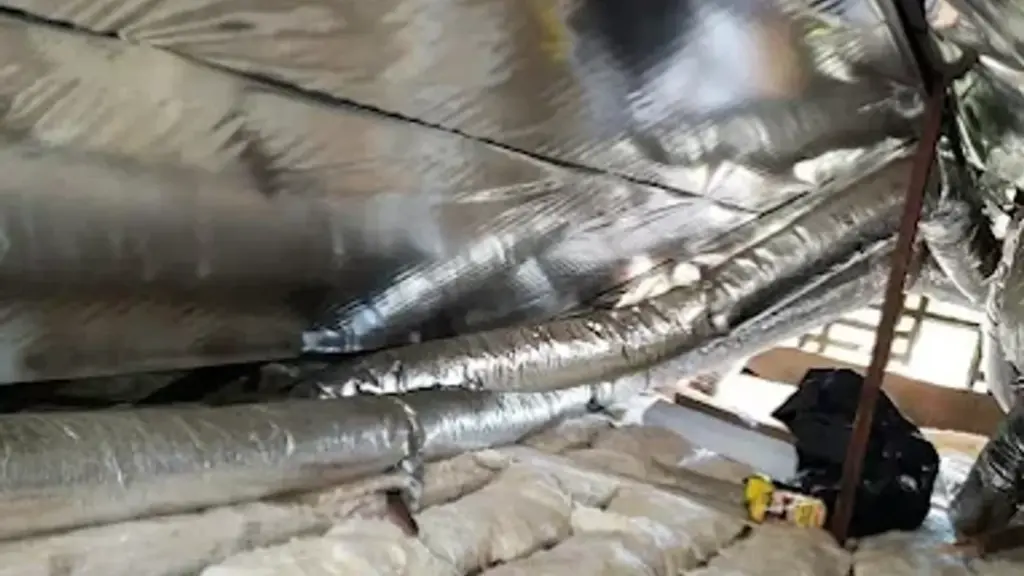
Attic Duct Replacement and Insulation in Los Angeles: A Complete Homeowner’s Guide
You set the thermostat to 72, hear the system kick on, and wait. Ten minutes later the living room is still warm while the back bedroom is freezing. That uneven comfort is one of the clearest signs your Los Angeles home’s attic is working against you, not for you. Degraded ductwork and insufficient insulation rarely fail all at once; they erode gradually until your energy bills climb and no amount of thermostat adjustment fixes the problem. This guide walks you through how to evaluate both systems, why they should be addressed together, and what the replacement process looks like for an LA home.
Why Attic Ducts and Insulation Fail Together in Los Angeles
Attic ductwork and insulation are interdependent. Ducts carry conditioned air through what is essentially an outdoor environment in summer, where attic temperatures in the San Fernando Valley, the South Bay, and the Inland Edge of LA County can climb well above ambient outdoor readings. When insulation is thin or degraded, that heat transfers aggressively into the duct system. When ducts are cracked, disconnected, or poorly sealed, conditioned air leaks into the attic before it ever reaches a living space.
The two problems compound each other. A leaking duct raises attic humidity slightly, which can accelerate insulation degradation. Thin insulation lets radiant heat bake flexible duct material, shortening its lifespan. Addressing only one side of this equation typically produces disappointing results, which is why a thorough attic duct replacement project almost always includes an insulation evaluation at the same time.
Signs Your Los Angeles Home Needs Attic Duct Replacement
Some warning signs are obvious; others require a closer look. Here are the most common indicators that air duct replacement belongs on your project list:
- Uneven temperatures room to room despite a functioning HVAC system.
- Visible damage such as crushed, kinked, or disconnected flex duct sections visible from the attic hatch.
- Excessive dust at supply registers, especially shortly after changing filters.
- HVAC system running longer cycles than it used to, trying to compensate for lost conditioned air.
- A musty or stale odor from vents, which can indicate air is pulling from unconditioned attic space through gaps.
- Ductwork older than 15-20 years, particularly flexible duct installed before modern standards tightened.
- Recent pest activity in the attic, since rodents frequently nest in and damage duct insulation jackets and inner liners.
If you have noticed any of these, a professional attic inspection is the logical next step. See how to spot the early warning signs of duct damage for a deeper look at each symptom.
The Los Angeles Market: Why Local Conditions Matter for This Decision
Los Angeles is not a single climate. Homes in Woodland Hills and Chatsworth face triple-digit heat events that push attic temperatures to extremes, putting far more thermal stress on duct materials than homes near the coast in Pacific Palisades or Redondo Beach, where marine air keeps attics cooler. This variability matters when choosing duct materials, insulation R-values, and installation methods.
Much of LA’s single-family housing stock was built between the 1950s and 1980s, a period when duct sealing standards were minimal and insulation requirements were a fraction of what California’s Title 24 energy code requires today. Homes from this era often have original flex duct that has exceeded its design life, fiberglass batts that have settled or been compressed by foot traffic, or blown insulation that has thinned over decades. Older homes in neighborhoods like Silver Lake, Eagle Rock, and the West Adams area frequently have attic configurations that were retrofitted rather than purpose-built, making professional evaluation especially important before any work begins.
If you want it handled correctly the first time, consider professional duct replacement in Malibu.
California’s Title 24 standards also set minimum insulation R-values and duct sealing requirements for replacement projects, so any work done in LA County must comply with those rules. Requirements vary by climate zone within the county, and a licensed contractor will pull the appropriate permits and ensure the finished installation meets code. This is not a project to guess at.
Evaluating Your Insulation: What Technicians Look For
A proper attic insulation evaluation in Los Angeles goes beyond a quick glance through the hatch. A trained technician will assess:
- Current R-value: measured by depth and material type. Most LA climate zones require R-38 or higher for attic insulation under current standards, and many older homes fall significantly short.
- Coverage uniformity: blown insulation can drift or settle unevenly; batts can be displaced. Gaps at the perimeter, around can lights, or at attic access points are common.
- Moisture or contamination: insulation that has absorbed moisture from a roof leak or has been contaminated by rodent activity needs removal before new material goes in.
- Air sealing: insulation performs best when air sealing is done first, closing gaps around top plates, recessed lights, and penetrations. Skipping this step reduces the effectiveness of even high-R insulation.
For a detailed breakdown of the material choices and what drives project scope, choosing the right attic insulation contractor covers the key questions to ask before signing anything.
How Attic Duct Replacement Works: A Step-by-Step Overview
Understanding the process helps homeowners ask better questions and set realistic expectations. Here is how a professional attic duct replacement typically unfolds:
- Inspection and diagnostic: The technician enters the attic, photographs existing conditions, checks duct connections at the air handler and at each branch, and identifies any sections that are disconnected, crushed, or deteriorated.
- Scope definition: Depending on findings, the project may involve partial replacement of damaged runs or full system replacement. A full replacement is often more cost-effective when ductwork is uniformly aged or when multiple sections are compromised.
- Old material removal: Existing flex duct is removed carefully to avoid disturbing insulation more than necessary. If insulation removal and replacement is also on the scope, that work is coordinated so the attic is not disrupted twice.
- New duct installation: New flex duct or rigid duct is sized and routed to current standards, with attention to minimizing bends and ensuring adequate support to prevent sagging (a major source of restriction).
- Sealing and testing: All connections at the plenum, at branch takeoffs, and at register boots are sealed with mastic or UL 181-rated tape. Many LA projects require a duct leakage test to verify compliance with Title 24.
- Insulation installation: If insulation work is included, it follows duct work so new insulation covers and encapsulates the new ducts properly.
- Final walkthrough: The technician reviews the completed work, confirms airflow at registers, and provides documentation for permit closeout if required.
Coordinating Duct Replacement with Insulation Installation
Sequencing matters. Installing new insulation before replacing damaged ducts means the insulation gets disturbed again during duct work, which wastes material and labor. The correct order is always: remove old insulation where needed, complete duct replacement, air seal the attic floor, then install new insulation so it covers and protects the new duct system.
Many Malibu homeowners rely on expert duct replacement in Malibu for exactly this.
Bundling both scopes with a single contractor also simplifies permitting, reduces the number of attic entries (which can damage fresh insulation), and allows the contractor to optimize duct routing before the attic floor is covered. Homeowners who coordinate both projects together consistently report a more efficient outcome than those who tackle them separately months apart.
For perspective on what drives the overall investment, what affects attic duct and insulation project costs in LA explains the variables without guesswork.
Duct Replacement vs. Duct Repair: Choosing the Right Scope
| Factor | Repair May Be Sufficient | Replacement Is Recommended |
|---|---|---|
| Duct age | Less than 10-12 years old | 15+ years, especially pre-2000 flex duct |
| Damage extent | One or two isolated disconnections | Multiple compromised sections or system-wide deterioration |
| Pest damage | Minor outer jacket damage, inner liner intact | Rodents have breached inner liner or nested inside duct |
| Sizing | Current sizing matches HVAC output | Duct system was undersized or HVAC has been upgraded |
| Efficiency goals | Modest improvement needed | Significant efficiency gains or Title 24 compliance required |
| Insulation project planned | No insulation work scheduled | Full insulation replacement is also on the scope |
When in doubt, a professional inspection gives you the information to make this call with confidence rather than guessing from the ground floor.
What to Expect After New Attic Ducts and Insulation Are Installed
Most Los Angeles homeowners notice a difference within the first few days of a completed project. Rooms that previously ran hot or cold tend to stabilize. The HVAC system runs shorter cycles because conditioned air is actually reaching its destination instead of leaking into the attic. Homeowners often notice the air at registers feels stronger and more consistent.
Over the following weeks, the energy efficiency gains become visible in utility bills, though the exact magnitude depends on how degraded the previous system was, the home’s square footage, and local utility rates. Comfort improvements are typically immediate; efficiency savings accumulate over time.
For guidance on keeping the new system performing well, caring for your attic ducts after installation covers the maintenance steps that protect your investment.
Ready for the next step? Learn how duct replacement services in Malibu can help and reach out to the team.
Frequently Asked Questions
How do I know if I need full attic duct replacement or just repairs?
The key factors are duct age, the extent of damage, and whether you have a larger insulation project planned. Flex duct from the 1990s or earlier has typically exceeded its design life and is often more cost-effective to replace than to repair piecemeal. A professional inspection will give you a clear picture of what is actually present in your attic rather than a guess from below.
Does attic duct replacement require a permit in Los Angeles?
Permit requirements vary by scope and jurisdiction within the greater LA area. Full duct system replacement generally triggers permit and inspection requirements under California’s Title 24 energy code, which includes a duct leakage test. Your contractor should handle the permit process; be cautious of any proposal that skips this step entirely.
What R-value does my Los Angeles attic insulation need to meet?
Most areas of Los Angeles County fall into climate zones that require R-38 or higher for attic insulation under current Title 24 standards, though your specific climate zone determines the exact requirement. A licensed contractor will confirm the applicable standard for your address before the project begins.
Can I replace attic insulation without replacing the ducts at the same time?
Yes, but if your ducts are also due for replacement, doing both at once is far more efficient. Installing new insulation over aged, leaking ductwork means the insulation has to be disturbed again when the ducts are eventually replaced. Coordinating both scopes in a single project saves labor, protects the new insulation, and produces better overall results.
How long does a combined duct replacement and insulation project take?
Most residential projects in the Los Angeles area are completed in one to two days, depending on home size, attic accessibility, and whether old insulation removal is part of the scope. Your contractor can give you a more specific timeline after the initial inspection.
Will new attic ducts and insulation help with the heat in rooms that face west or south?
Improved duct sealing and higher R-value insulation reduce heat gain through the attic floor and deliver conditioned air more efficiently to every room, which helps with comfort throughout the home. For rooms with significant solar exposure, managing attic heat in Los Angeles homes covers additional strategies that work alongside duct and insulation upgrades.
Ready to Evaluate Your Los Angeles Home’s Attic?
Degraded ductwork and thin insulation are two of the most common reasons Los Angeles homes feel uncomfortable and run up high utility bills, and they are almost always more manageable than homeowners expect once a professional gets a clear look at what is actually happening in the attic. LA Attic Pro inspects, replaces, and installs attic duct and insulation systems throughout the Los Angeles area, handling both scopes together so the job is done once and done right.
Contact us to schedule your attic evaluation, or learn more about our full range of services at our attic duct replacement and insulation service page. The first step is simply knowing what you are working with.