
Los Angeles Attic Heat Myths That Are Costing Homeowners Real Money
Attic temperatures in Los Angeles can exceed 150°F on a typical summer afternoon, a figure that surprises most homeowners who assume the heat stays safely above their living space. What actually happens in those superheated spaces directly undermines your HVAC system, your ductwork, and your insulation performance, often for years before anyone notices. The problem is that a lot of the advice circulating about attic heat in the LA area is either outdated, oversimplified, or flat-out wrong. Before you spend money on the wrong fix, it helps to separate fact from fiction.
This article works through the most persistent myths about attic heat in Los Angeles, explains the real science behind each one, and points you toward the assessments that actually move the needle on home efficiency. Where ductwork is involved, you will find links to deeper resources on evaluating attic duct replacement needs so you can connect the dots between attic conditions and your HVAC system’s performance.
Myth: A Hot Attic Is Just a Summer Inconvenience
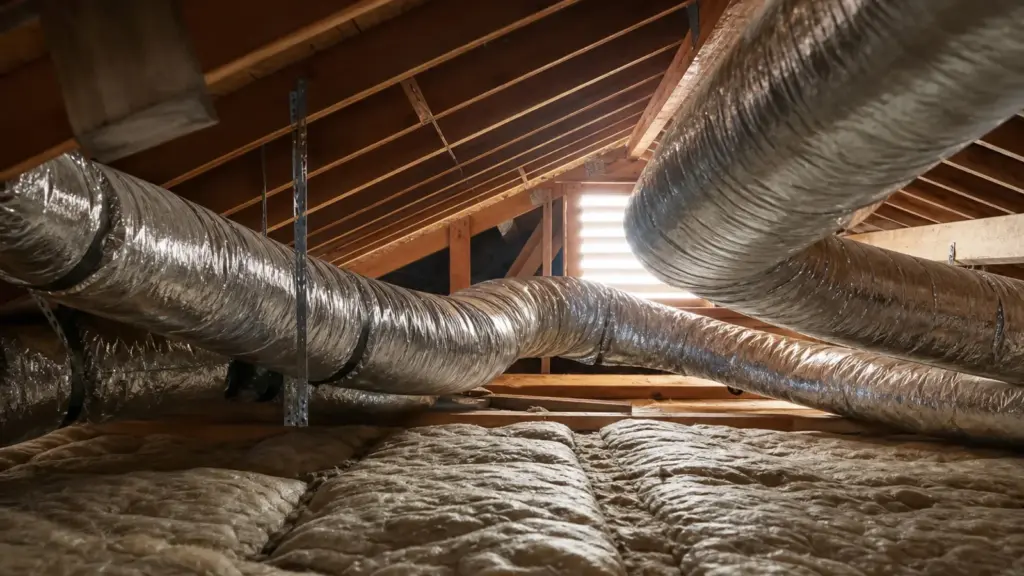
Reality: Extreme attic heat is a year-round structural problem, not a seasonal nuisance. When an attic regularly hits 140°F to 160°F during Los Angeles summers, the damage accumulates between seasons. Flexible duct materials soften and sag at sustained high temperatures, allowing joints and seams to separate gradually. Duct mastic and foil tape lose adhesion. Insulation batts compress or shift. By the time fall arrives, the ductwork running through that attic has already taken on micro-tears and loose connections that bleed conditioned air into unconditioned space all winter long.
Los Angeles homeowners often discover this damage only when an energy audit or inspection reveals that a significant portion of their cooled or heated air never reaches the living area at all. The attic heat was the trigger; the duct degradation is the lasting consequence.
Myth: Adding Attic Ventilation Alone Will Solve the Problem
Reality: Ventilation helps, but it cannot compensate for missing or degraded insulation, and it does nothing to repair ductwork that has already failed. Proper soffit-to-ridge airflow can lower peak attic temperatures meaningfully, which is a real benefit. However, in many older Los Angeles homes built before the 1980s, the attic floor insulation is thin, compressed, or made from materials that have lost most of their R-value over the decades. No amount of airflow corrects that gap.
More critically, ventilation does not address the root cause of duct degradation. If your flexible ducts have been baking at extreme temperatures for ten or fifteen years, adding ridge vents will slow future damage but will not restore the integrity of seals that have already failed. An inspection that evaluates both insulation depth and duct condition gives you a much clearer picture of what actually needs attention. The warning signs of duct damage are often visible during a proper attic walkthrough, even before any testing equipment is used.
Myth: Spray Foam Insulation Is Always the Right Choice for LA Attics
Reality: Spray foam is an effective product in the right application, but it is not automatically the best choice for every Los Angeles attic. Closed-cell spray foam applied to the underside of the roof deck creates an unvented, conditioned attic space. That approach works well in new construction designed around it, but retrofitting it into an existing home with older ductwork raises complications. When the attic becomes a conditioned space, the ducts technically no longer need to be insulated to the same standard, but any existing duct leaks now dump air into a space that your HVAC system is actively trying to condition, which can actually worsen efficiency until those leaks are addressed.
If you want it handled correctly the first time, consider professional duct replacement in Malibu.
For most existing LA homes, blown-in insulation on the attic floor combined with proper air sealing is a more straightforward and cost-effective path. The right choice depends on your home’s construction, existing duct layout, and HVAC configuration. A qualified attic insulation service will evaluate those factors before recommending a product rather than defaulting to the highest-margin option.
Myth: If Your AC Is Running Fine, Your Attic Ducts Are Fine
Reality: Your air conditioning system can run continuously and still be losing a substantial portion of its output to attic duct leaks. The unit itself operates normally; it simply runs longer cycles to compensate for the conditioned air escaping before it reaches the vents. Homeowners often interpret long run times as a sign that the system is working hard in the heat, which is true, but the underlying reason is frequently duct performance rather than outdoor temperature alone.
In Los Angeles, where summer cooling loads are significant and utility rates are among the higher in the state, this distinction matters. A system cycling longer than it should is accumulating wear and driving up energy costs simultaneously. A thorough air duct replacement assessment can determine whether duct leakage is the primary driver of those long run times, which is a much more targeted diagnosis than simply assuming the AC needs to be upsized.
Myth: Older Homes in LA Have Better-Built Ducts Than Modern Ones
Reality: This is almost the reverse of the truth. Homes built in the San Fernando Valley, the South Bay, and other established Los Angeles neighborhoods during the 1950s through 1970s frequently have duct systems made from materials that were never designed for a multi-decade service life. Fibrous flex duct from that era degrades differently than modern equivalents, and sheet metal systems from the same period often have joints sealed only with cloth tape, which dries out and fails completely over time.
Los Angeles’s mild winters mean these systems rarely get the kind of inspection attention they would in a climate with dramatic seasonal swings. A homeowner in a cold-weather city might notice a heating problem quickly; in LA, a slow duct leak in the attic can go undetected for years because the discomfort is gradual and easy to attribute to the weather. Homes in this age range are strong candidates for a full duct evaluation, particularly if the insulation has never been updated either. Coordinating duct work with insulation installation avoids the disruption of opening up the attic twice.
Myth: You Can Judge Insulation Quality by Looking at It
Reality: Visible insulation in an attic tells you very little about its actual thermal performance. Fiberglass batts that look intact may be compressed to a fraction of their rated R-value. Loose-fill cellulose that appears to cover the attic floor evenly may have settled significantly since installation, dropping below the minimum depth needed to meet current California Title 24 energy standards. Older insulation materials can also become contaminated with dust, moisture, or rodent activity in ways that are not obvious from a casual inspection but that meaningfully reduce performance.
Many Malibu homeowners rely on expert duct replacement in Malibu for exactly this.
The only reliable way to assess insulation performance is to measure depth at multiple points, check for voids and compressions, and evaluate whether the material is appropriate for the attic’s current conditions. In Los Angeles, where many homes have gone decades without an insulation update, this kind of assessment frequently reveals that the attic floor is performing at a fraction of what the label on the original material suggested. If you are weighing insulation options, the resource on selecting the right attic insulation contractor walks through what a thorough evaluation should include.
Myth: Radiant Barriers Are a Complete Replacement for Insulation
Reality: Radiant barriers are a useful supplement in Los Angeles’s sunny climate, but they address only one mode of heat transfer: radiation from the hot roof deck. They do not slow conductive or convective heat transfer through the attic floor, which is where the real efficiency battle is fought. A radiant barrier installed over thin or degraded insulation will reduce peak attic temperatures somewhat, but the attic floor will still allow significant heat to conduct into the living space below.
The most effective attic assemblies in Southern California combine a radiant barrier (typically foil attached to the underside of the roof decking or draped over the rafters) with adequate R-value insulation on the attic floor. Neither element replaces the other. Homeowners who install a radiant barrier expecting it to eliminate the need for insulation upgrades are often disappointed when their energy bills do not respond as expected.
Myth: Attic Work Can Be Scheduled Independently of HVAC Service
Reality: Treating attic insulation and duct replacement as entirely separate projects is one of the more expensive mistakes Los Angeles homeowners make. When new insulation is blown over existing ductwork before those ducts are inspected and repaired, the insulation buries the problem. Accessing ducts for repair after the fact means disturbing the new insulation, adding cost and disruption to what should have been a one-time project.
The more logical sequence is to inspect the ducts first, perform any necessary repairs or full duct replacement while the attic is clear, and then complete the insulation installation. This coordination also allows the contractor to properly air-seal around duct penetrations and at the top plates before insulation covers those areas, which is where a significant portion of building envelope leakage occurs in older LA homes. Scheduling both scopes together typically reduces total labor time and produces a better-performing result than doing them in separate visits months apart.
If you are trying to understand the variables that affect project scope and pricing, the guide on what drives attic insulation and duct project costs breaks down the key factors without oversimplifying them.
Frequently Asked Questions
Ready for the next step? Learn how duct replacement services in Malibu can help and reach out to the team.
How hot does a Los Angeles attic actually get in summer?
Attic temperatures in the Los Angeles basin regularly reach 140°F to 160°F on hot summer days, depending on roof color, ventilation, and the presence or absence of a radiant barrier. South-facing roof sections and homes in inland areas like the San Fernando Valley tend to run at the higher end of that range. These temperatures are sustained for several hours each afternoon, which is what makes the cumulative effect on duct materials and insulation so significant.
How do I know if my attic ducts have been damaged by heat?
Common indicators include rooms that take much longer than others to reach the thermostat setting, higher-than-expected utility bills during cooling season, and HVAC run times that seem excessive relative to the outdoor temperature. A physical inspection of the attic can reveal visible duct sagging, separated joints, or torn insulation wrap around the ducts. The article on recognizing damaged attic duct signs covers the specific things to look for during or before a professional inspection.
Does California have minimum insulation requirements for existing homes?
California’s Title 24 energy standards set insulation requirements for new construction and significant renovations, and local jurisdictions may have additional requirements when work is permitted. Requirements vary depending on the scope of work and the climate zone your home falls into. For any permitted attic work, it is worth confirming current local requirements with your contractor rather than assuming the existing insulation level is compliant.
Can I add insulation without replacing the ducts first?
Technically yes, but it is generally not advisable if the ducts have not been inspected recently. Adding insulation over ducts that have leaks or failing seals locks in those problems and makes future access more difficult and expensive. A brief inspection before insulation work begins can confirm whether the ducts are in serviceable condition or whether repairs should happen first.
How long does attic insulation last in the Los Angeles climate?
Well-installed blown-in insulation in a properly ventilated attic can remain effective for many years, but performance degrades over time due to settling, moisture exposure, and pest activity. Homes in the LA area that have not had their insulation assessed in fifteen or more years often find that actual performance is well below the original installation specification. A depth and condition check is the only reliable way to know where you stand.
Getting an Accurate Picture of Your Attic’s Condition
The myths above share a common thread: they encourage homeowners to treat attic heat as a simple problem with a single solution. The reality in Los Angeles is that extreme summer temperatures create a compounding set of issues, where duct degradation, insulation loss, and air sealing failures interact in ways that no single product or shortcut can address.
The most useful starting point is a thorough attic inspection that evaluates duct condition, insulation depth and quality, ventilation adequacy, and air sealing at penetrations. That assessment gives you a clear sequence of work and avoids the common trap of fixing one layer of the problem while leaving the others in place.
LA Attic Pro serves homeowners across the Los Angeles area with attic inspections, insulation removal and installation, and air duct repair and replacement. If you have questions about what your attic actually needs, reach out to schedule an evaluation. A clear picture of what is happening in your attic is the foundation for any decision that actually improves your home’s performance.