
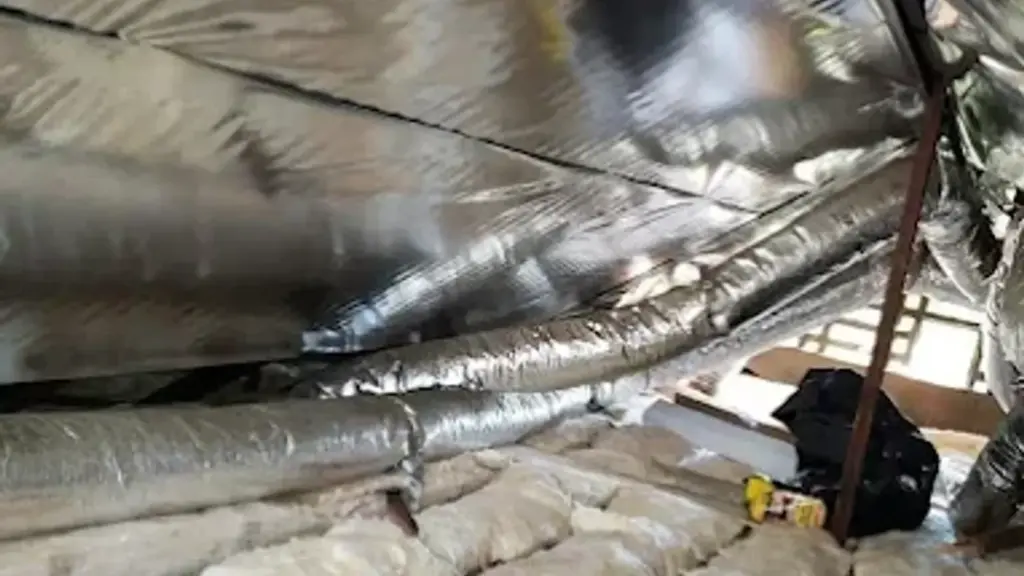
How to Choose an Attic Insulation Contractor in Los Angeles
Most homeowners assume that any licensed contractor who installs insulation can handle an attic job correctly, but in Los Angeles and the surrounding Ventura County area, that assumption leads to costly do-overs. Attic work here is genuinely different: older ranch homes in Camarillo, mid-century bungalows in the San Fernando Valley, and newer tract housing in the Santa Clarita corridor each present distinct challenges around ductwork routing, rodent history, and the region’s unique thermal demands. Choosing the wrong contractor often means new insulation gets blown over compromised ducts, and the efficiency gains you paid for never materialize.
This guide walks through the two broad contractor approaches you will encounter, the credentials that actually matter in California, and the questions that separate a thorough attic professional from someone who will simply blow in some material and leave. If you have already noticed hot rooms, spiking utility bills, or visible debris around your vents, review the warning signs covered in common signs of damaged attic ducts before you start calling contractors, so you know exactly what to describe.
Approach A: Insulation-Only Contractors
Some companies specialize exclusively in adding or replacing insulation material, treating the attic floor or rafters as the only scope of work. This model works reasonably well in newer construction where ductwork is still in good condition and rodent intrusion has not occurred. The crew arrives, measures square footage, and installs the specified R-value of fiberglass batts or blown cellulose.
The limitation becomes apparent in Los Angeles County and Ventura County homes that were built before the 1990s. Many of those attics contain flex duct that has been running for two or three decades, often resting directly on the original insulation without proper support. An insulation-only contractor is not scoped, equipped, or sometimes even licensed to assess or touch that ductwork. The result: fresh insulation goes in, the ducts remain leaking or kinked underneath, and the homeowner wonders why the new installation did not cut their cooling bills the way they expected.
Insulation-only contractors also tend to skip the pre-installation inspection steps that matter most in this region: checking for rodent pathways, assessing vapor barriers in older homes, and verifying that attic ventilation ratios meet California Title 24 guidelines. Requirements vary by jurisdiction, so always confirm specifics with your local building department or a licensed professional.
Approach B: Integrated Attic Specialists
An integrated attic contractor treats the attic as a system rather than a collection of separate line items. The scope typically covers insulation removal, inspection and remediation of any rodent activity, air duct evaluation, duct repair or full air duct replacement where needed, and then new insulation installation once the underlying infrastructure is confirmed sound.
This is the approach that makes the most sense for the majority of Los Angeles-area homes. The region’s Mediterranean climate means attic temperatures can exceed 140 degrees Fahrenheit on summer afternoons in inland communities like Simi Valley and Thousand Oaks. Ductwork that is even partially disconnected or poorly insulated in that environment loses a significant portion of conditioned air before it ever reaches a living space. Coordinating attic duct replacement with new insulation installation in a single project eliminates the risk of disturbing fresh insulation to access ducts later, and it allows the contractor to verify that the final R-value is correct and uninterrupted across the entire attic floor.
The integrated model also addresses something insulation-only companies often skip: the attic cleaning and sanitation step. In Los Angeles County, roof rat activity is common in residential neighborhoods, particularly in older communities close to canyons and open space. Contaminated insulation that is not fully removed before new material goes in creates ongoing air quality concerns and can attract additional pests.
Credentials and Licensing: What to Verify in California
If you want it handled correctly the first time, consider professional duct replacement in Malibu.
California has specific licensing requirements for the work involved in a full attic project. Here is what to confirm before signing any contract:
- CSLB License (C-2 or C-20): The California Contractors State License Board issues a C-2 classification for insulation and acoustical contractors. HVAC-related duct work falls under C-20. A contractor performing both scopes should hold the appropriate classifications or work under a General B license that covers both. You can verify any license at the CSLB website.
- Workers’ Compensation and General Liability Insurance: Ask for current certificates. Attic work involves confined spaces, elevated surfaces, and equipment that creates real risk. Confirm the policy is active, not just that a certificate exists.
- BPI or HERS Rater Credentials (optional but meaningful): A Building Performance Institute certification or a HERS (Home Energy Rating System) rater on staff signals that the contractor understands whole-house energy performance, not just material installation. This matters when you want to verify that your new insulation actually delivers the projected efficiency improvement.
- Title 24 Familiarity: California’s Title 24 energy code sets minimum R-value requirements and ventilation ratios that vary by climate zone. Los Angeles County spans multiple climate zones, so a contractor who cannot discuss Title 24 compliance for your specific address is a concern.
The Los Angeles Attic Market: What Makes This Region Different
Los Angeles and Ventura County present a combination of factors that simply do not apply in most other parts of the country, and they directly affect how an attic contractor should approach the job.
Building age and duct vintage: A large share of the single-family housing stock in communities like Camarillo, Oxnard, and Northridge was built between the 1950s and 1980s. Original ductwork from that era, where it has not been replaced, is frequently fiberglass duct board or early flex duct that has degraded significantly. Seams may be held together with duct tape that dried out decades ago. An honest contractor will flag this during inspection rather than simply insulating over the problem.
Thermal extremes: Coastal communities like Malibu and Ventura experience mild summers but significant marine layer moisture, while inland valleys like the San Fernando and Santa Clarita experience triple-digit heat waves. The insulation strategy and vapor management approach should reflect which micro-climate your home sits in, not a one-size-fits-all product spec.
Wildfire smoke and air quality: The greater Los Angeles area experiences seasonal wildfire events that push fine particulate matter into attic spaces through gaps in duct systems and building envelopes. A contractor who seals the duct system properly and installs insulation without leaving air pathways is doing work that matters beyond energy efficiency in this region.
Rodent pressure: Roof rats are endemic across Los Angeles County neighborhoods, particularly those near the Santa Monica Mountains, Griffith Park, and the foothill communities. Any attic contractor operating in this market should have a clear protocol for identifying and sealing entry points before new insulation is installed. Skipping this step means the new material may be contaminated within a season or two.
Understanding what factors drive the overall investment in this kind of project is also worth reviewing before you meet with contractors. The guide on what drives attic insulation and duct costs in Los Angeles covers the variables that affect scope and pricing without any guesswork.
Comparing Contractor Types: A Decision Framework
Many Malibu homeowners rely on expert duct replacement in Malibu for exactly this.
The table below contrasts insulation-only contractors with integrated attic specialists across the criteria that matter most for Los Angeles homeowners.
| Criterion | Insulation-Only Contractor | Integrated Attic Specialist |
|---|---|---|
| Duct inspection included | Rarely; outside their scope | Yes; part of standard pre-install assessment |
| Rodent remediation | Typically not offered | Included or coordinated as part of the project |
| Old insulation removal | Sometimes optional add-on | Standard when contamination or damage is present |
| Title 24 / climate-zone compliance | Variable; depends on individual contractor | Built into the assessment for LA-area climate zones |
| CSLB license scope | C-2 (insulation only) | C-2 plus C-20 or General B covering duct work |
| Single-visit coordination | No; duct issues require a separate contractor | Yes; insulation and duct work sequenced in one project |
Which Contractor Type Is Right for Los Angeles Homes?
For most homes in the Los Angeles and Ventura County area, an integrated attic specialist is the more reliable choice. The combination of aging housing stock, high attic temperatures, rodent pressure, and California’s energy code requirements means that treating insulation as an isolated task leaves too many variables unaddressed.
An insulation-only contractor can be appropriate in a narrow set of circumstances: a home built within the last ten to fifteen years with documented duct maintenance history, no rodent activity, and insulation that simply needs a top-up to reach current R-value requirements. Outside of that scenario, the risk of installing new material over a compromised system is real, and the efficiency gains that motivated the project in the first place may not appear on the utility bill.
If you are evaluating whether your ducts are already at the point of needing replacement rather than repair, the detailed breakdown at our attic duct replacement service page explains how that assessment works and what the process involves from start to finish.
Questions to Ask Before Hiring Any Attic Contractor
Bring this list to every estimate appointment. The answers will quickly separate contractors who understand the full scope of attic work from those who are scoped only for one piece of it.
- Will you inspect the ductwork before installing insulation, and what happens if you find damage? A contractor who cannot answer this question clearly, or who says duct condition is not their concern, is telling you something important about their scope.
- What is your protocol if you find evidence of rodents? The answer should include entry-point sealing and contaminated material removal, not just a referral to a pest control company after the insulation is already in.
- Which CSLB license classifications does your company hold? Verify the answer at cslb.ca.gov before signing.
- How do you determine the correct R-value for my climate zone? California’s Title 24 requirements differ across the state. A contractor who gives the same answer regardless of where your home is located may not be accounting for your specific zone.
- Will you provide a written scope of work before the project starts? Everything that was discussed verbally should appear in writing: materials, R-value, duct scope, removal and disposal, and any rodent-proofing work.
- How do you handle attic ventilation as part of the insulation installation? Blocking soffit vents with insulation is a common installation error that creates moisture problems. A knowledgeable contractor will explain how they protect ventilation pathways.
After the project is complete, the work does not end with the final invoice. Understanding what ongoing maintenance looks like for your new duct system and insulation is covered in detail at post-installation care for attic ducts and insulation.
Ready for the next step? Learn how duct replacement services in Malibu can help and reach out to the team.
Frequently Asked Questions
Does an attic insulation contractor in Los Angeles need a separate license to work on ductwork?
Yes. In California, insulation installation falls under the C-2 license classification, while HVAC ductwork is covered under C-20. A contractor performing both scopes should hold both classifications or operate under a General B license that covers the full project. Always verify active license status through the CSLB before signing a contract.
How do I know whether my attic needs full duct replacement or just new insulation?
A proper pre-installation inspection should answer this. A contractor will look for disconnected flex duct sections, collapsed runs, degraded duct board, and evidence of air leakage at connections. If you are seeing uneven temperatures between rooms or noticing that your HVAC system runs longer than it used to, those are signals worth investigating before any insulation work begins.
Is it worth removing old insulation before installing new material?
In most Los Angeles-area homes with rodent history, water intrusion, or insulation that is more than twenty years old, removal is the more thorough approach. Installing new material over contaminated or compressed old insulation reduces the effective R-value and can trap odors and particulates. A contractor who recommends removal is generally being more thorough, not trying to inflate the project scope.
What R-value is required for attic insulation in Los Angeles County?
California’s Title 24 energy code sets minimum requirements that vary by climate zone, and Los Angeles County spans more than one zone. Requirements also differ for new construction versus existing homes undergoing renovation. Your contractor should identify your specific climate zone and confirm the applicable minimum before specifying materials. For definitive requirements, consult the California Energy Commission or your local building department.
Can I get a permit for attic insulation work in Los Angeles?
Permit requirements vary by municipality and scope of work. Some jurisdictions require permits for insulation installation, particularly when it is paired with duct replacement or when the project involves structural attic access modifications. Your contractor should be able to advise on local requirements, but confirming with your city or county building department is always the safest step before work begins.
How long does a combined attic insulation and duct replacement project typically take?
For a standard single-story home in the Los Angeles area, a full project that includes old insulation removal, duct replacement, and new insulation installation is typically completed within one to two days. Larger homes, significant rodent remediation, or complex duct layouts can extend that timeline. A written project schedule should be part of your contract before work starts.
Making a Confident Decision for Your Los Angeles Home
Choosing an attic insulation contractor in Los Angeles comes down to one core question: does this contractor understand the attic as a complete system, or are they scoped only for one piece of it? In a region where aging ductwork, intense summer heat, and rodent pressure all affect how well an attic performs, the integrated approach consistently delivers more reliable results than treating insulation and ductwork as separate projects.
Verify licenses through the CSLB, ask the questions outlined above at every estimate, and make sure any contractor you hire can speak specifically to your home’s climate zone and building age. When you are ready to move forward with a professional evaluation, reach out to LA Attic Pro for a comprehensive attic assessment that covers both your insulation and duct system together.